SECTION I: INTRODUCTION – THE TYRANNY OF LIGHT
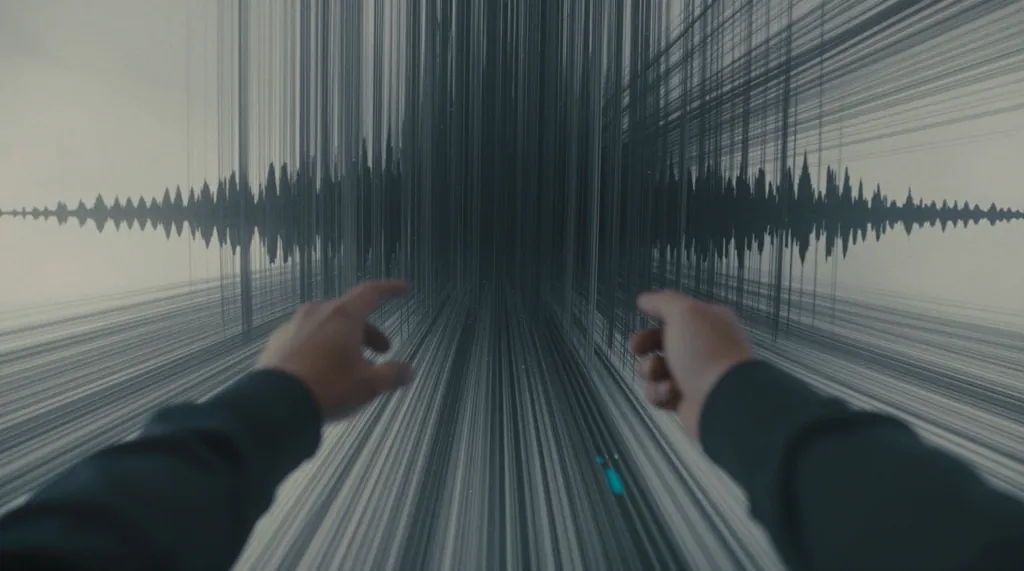
Close your eyes. Do it now.
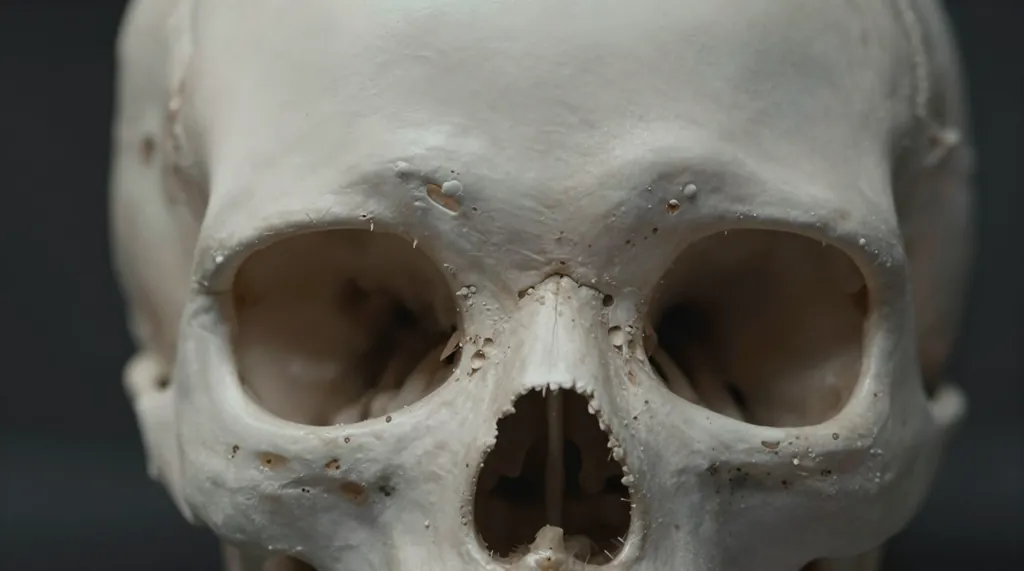
For you, member of the species Homo sapiens, the world has just disappeared. Your reality has contracted to the length of your arms. You feel vulnerable. Incomplete. Blind.
We are tyrants of light.
We have built our entire civilization, our science, and our philosophy under the arrogant premise that "seeing is believing." We believe photons bouncing off matter are the only truth. We call "darkness" the absence of information.
But we are wrong. Profoundly wrong.
It is we who are blind.
Our eyes only perceive the surface of things. We see skin, paint, bark. Light is superficial; it stops at the first opaque barrier. We are creatures of surfaces, ignorant of what lies beneath.
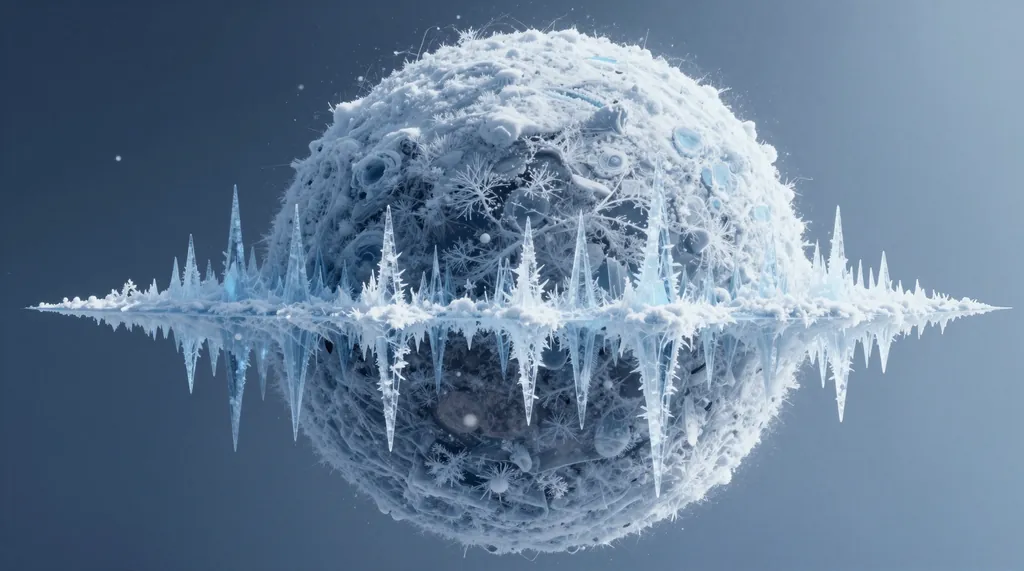
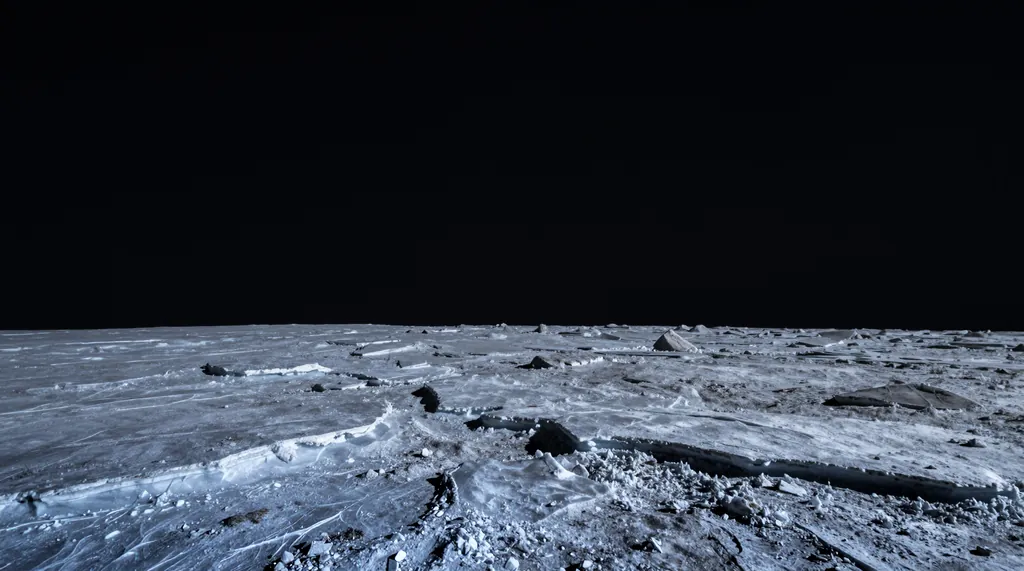
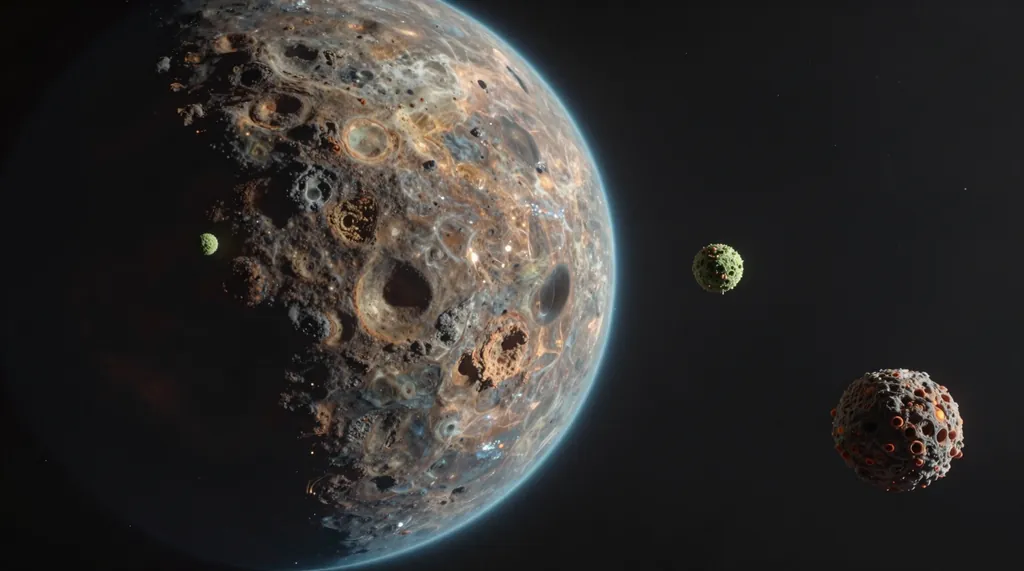
But here, in the Rogue System 44-Zeta, on the frozen surface of a starless moon, light is an alien concept. Here, evolution took a more honest path.
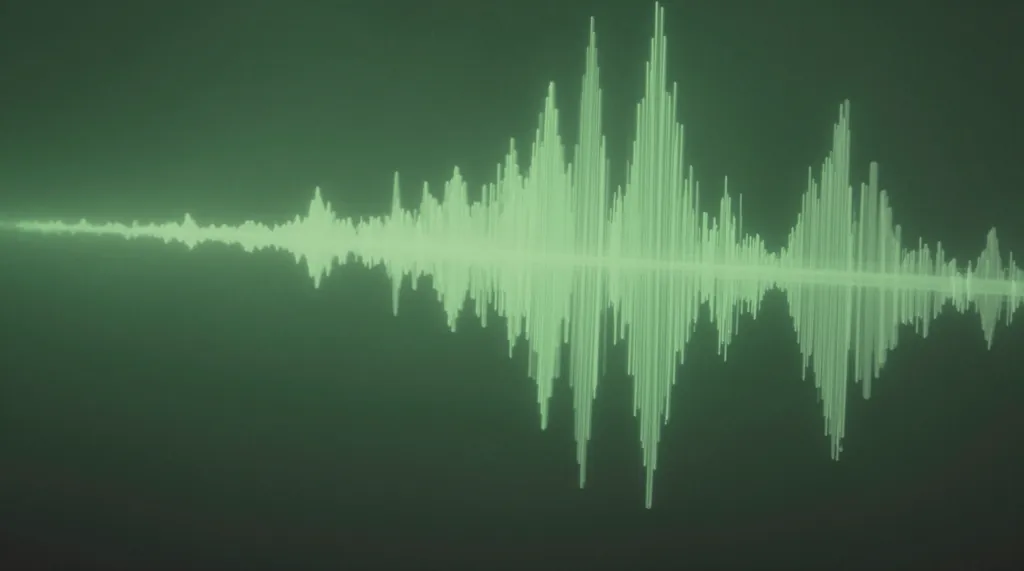
If light lies by showing only the surface, sound tells the truth by revealing density.
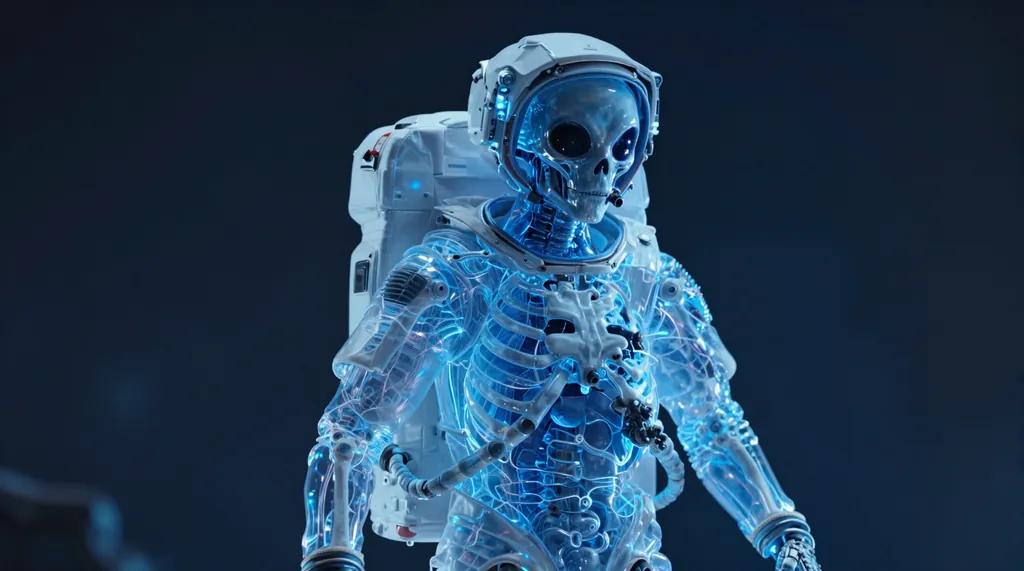
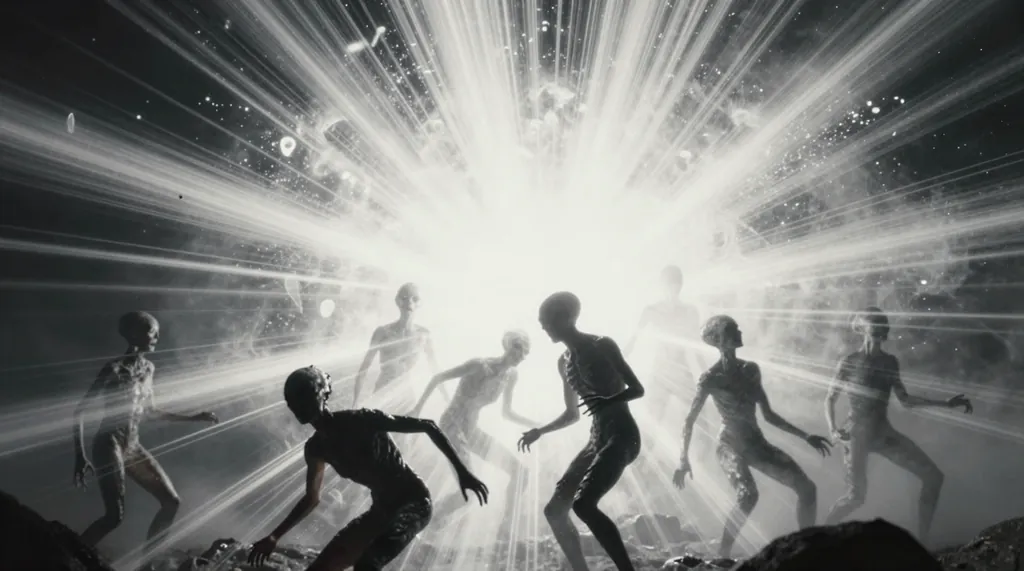
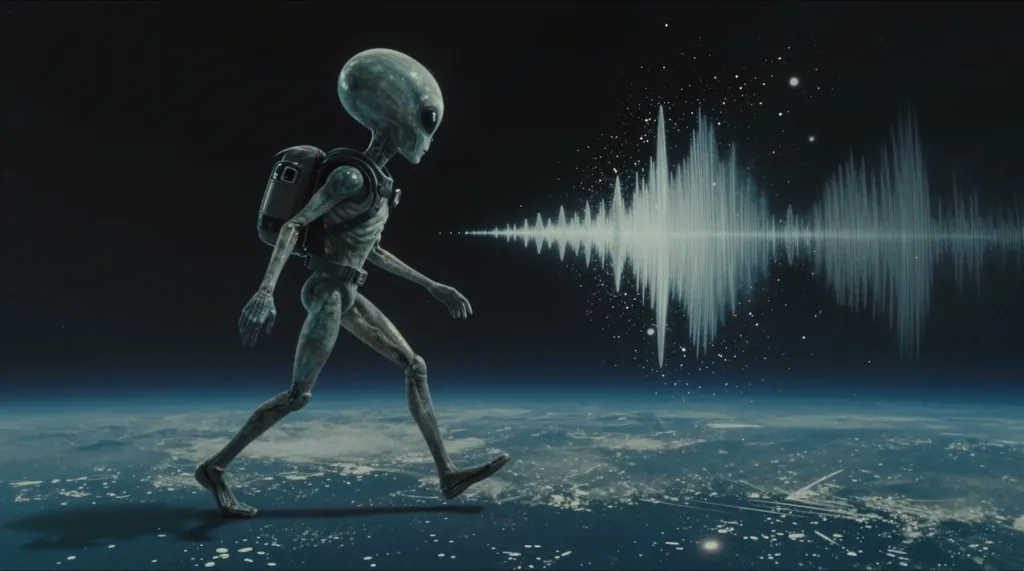
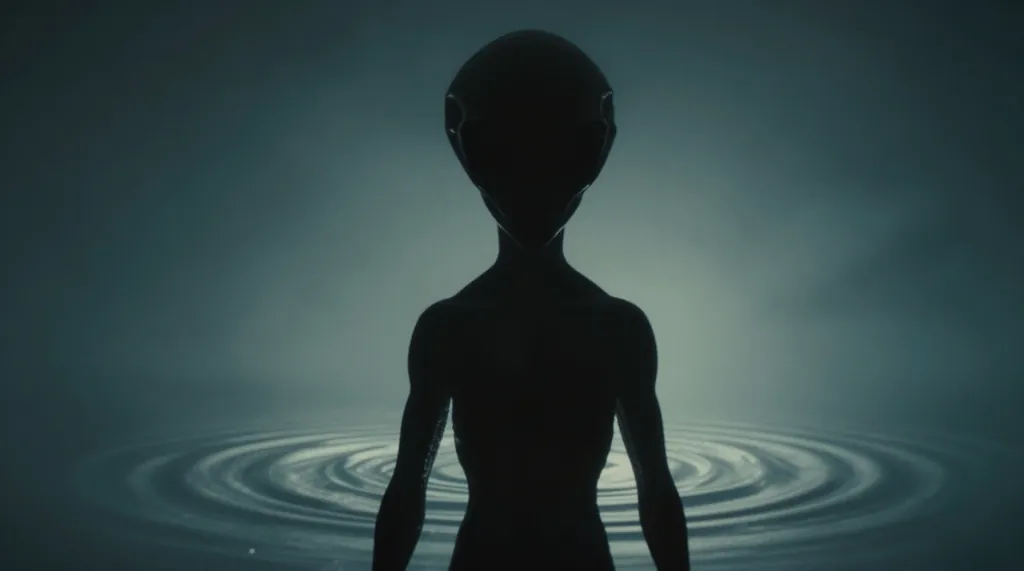
Welcome to the world of the Resonators.
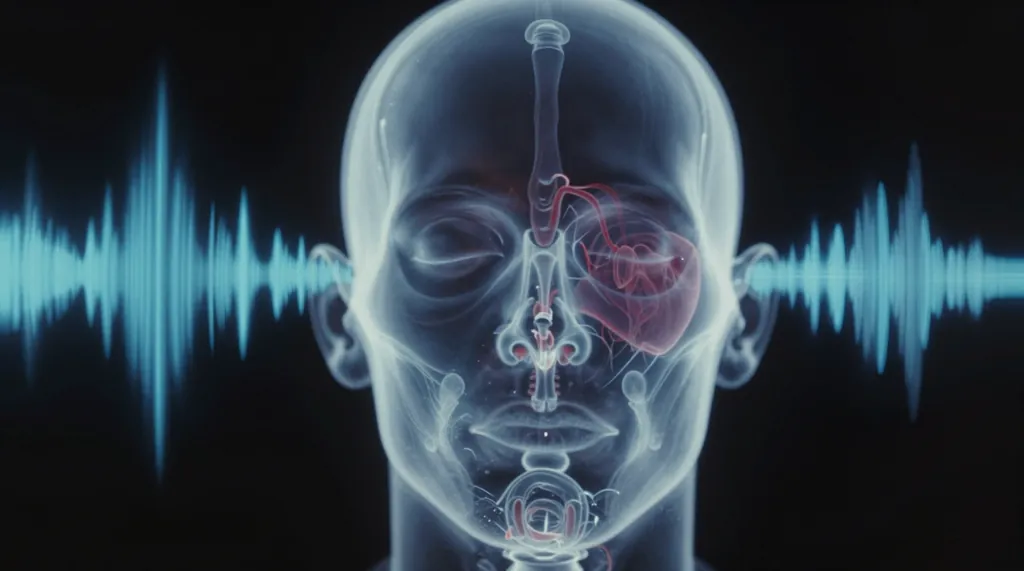
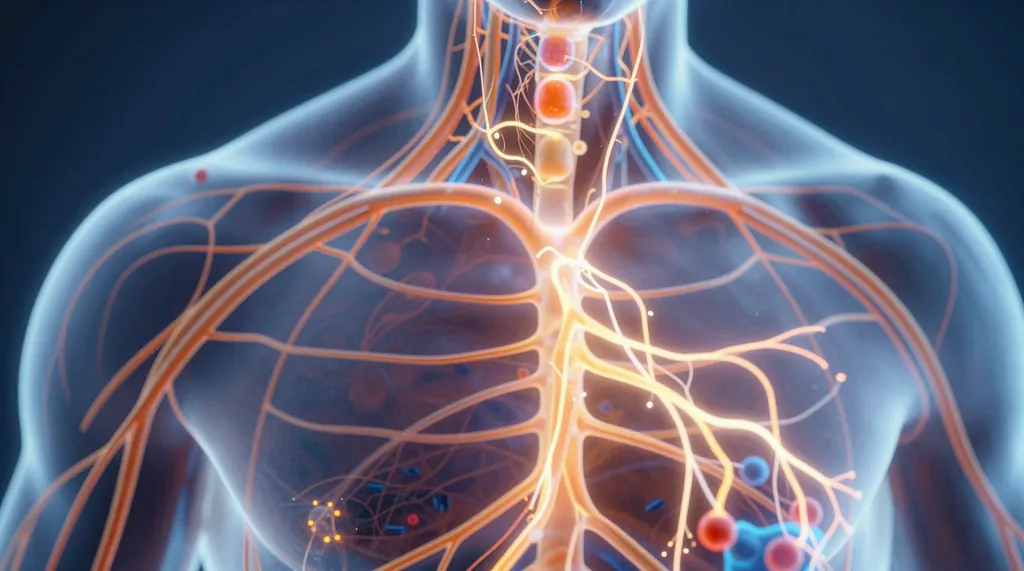
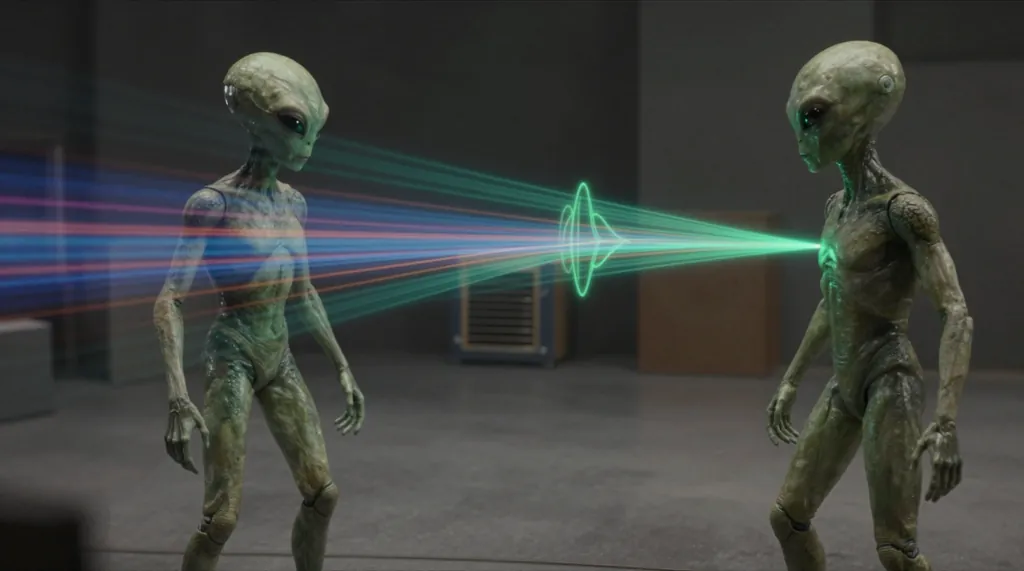
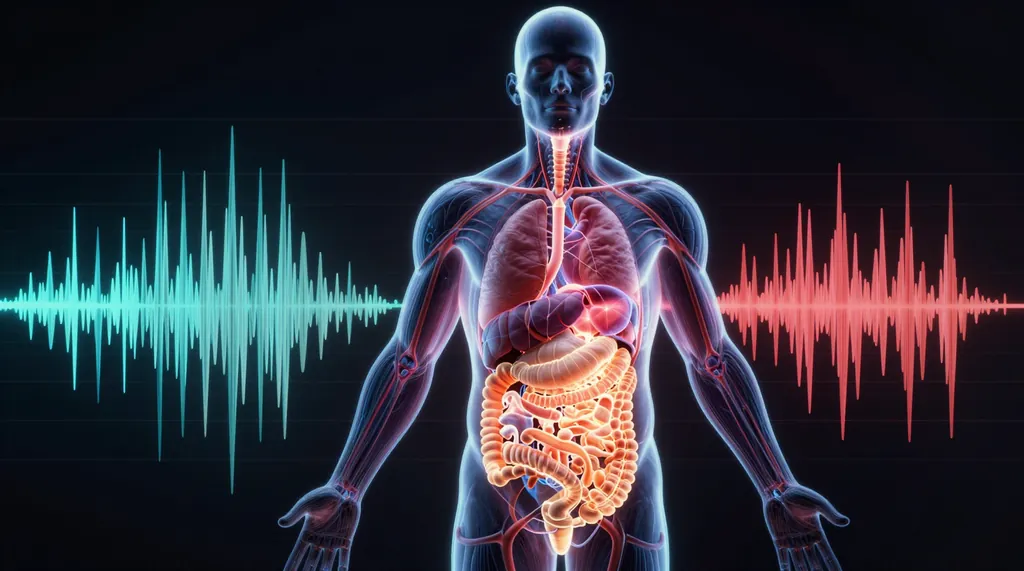
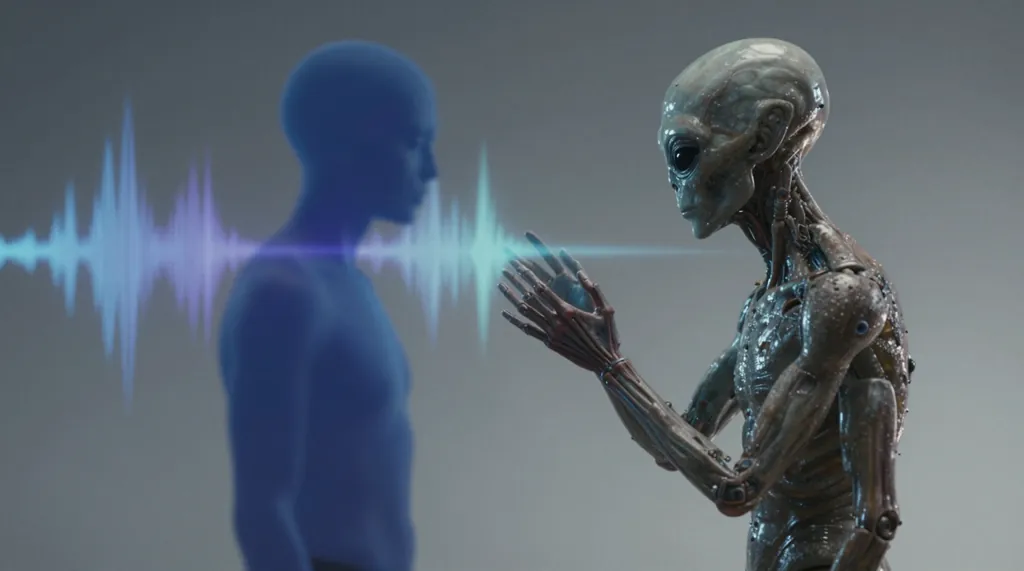
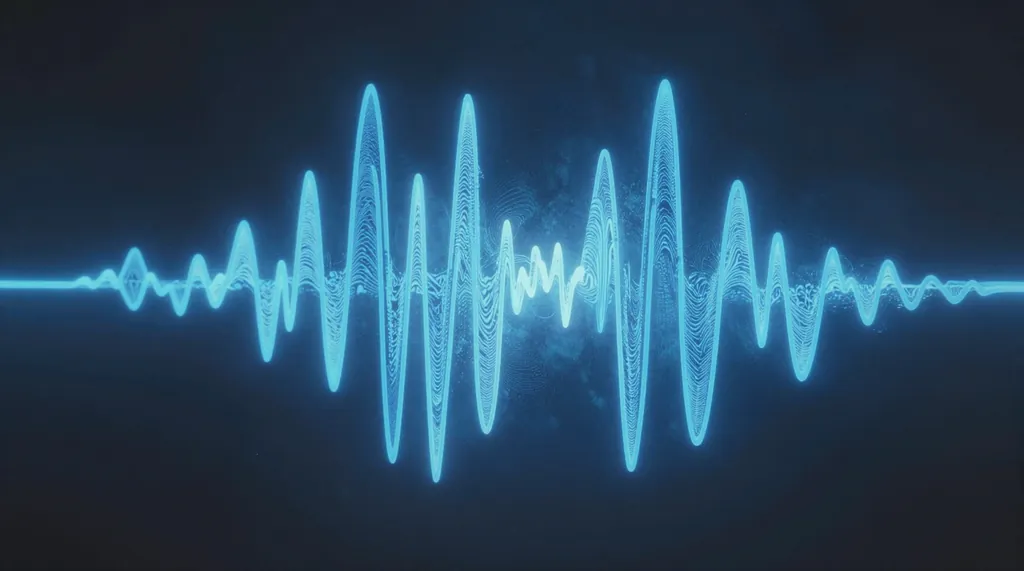
A civilization that has never seen a star, but can read your intentions by listening to the turbulence of your blood passing through your heart valves.
For them, the universe is not something to look at. It is something to touch from a distance.
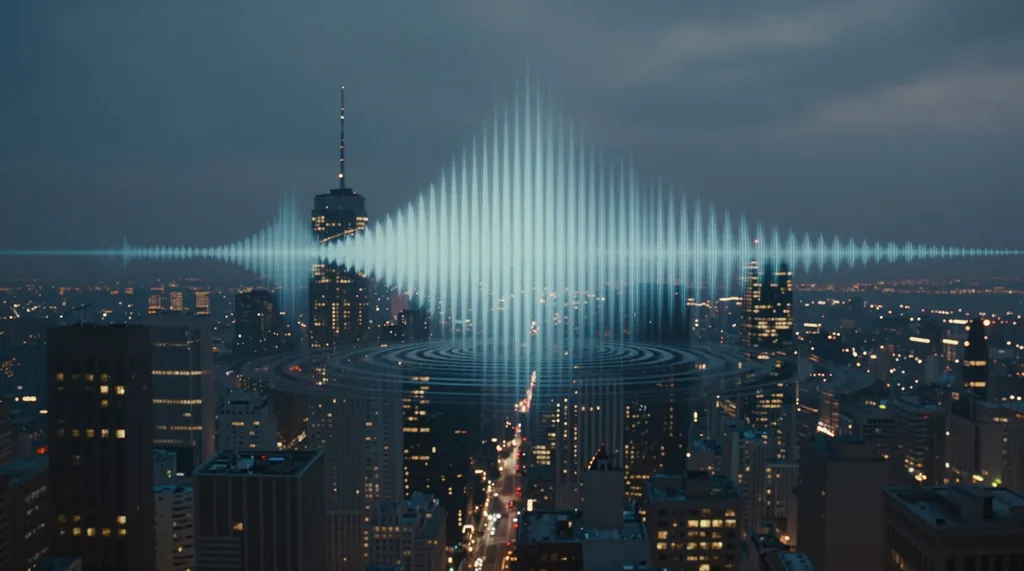
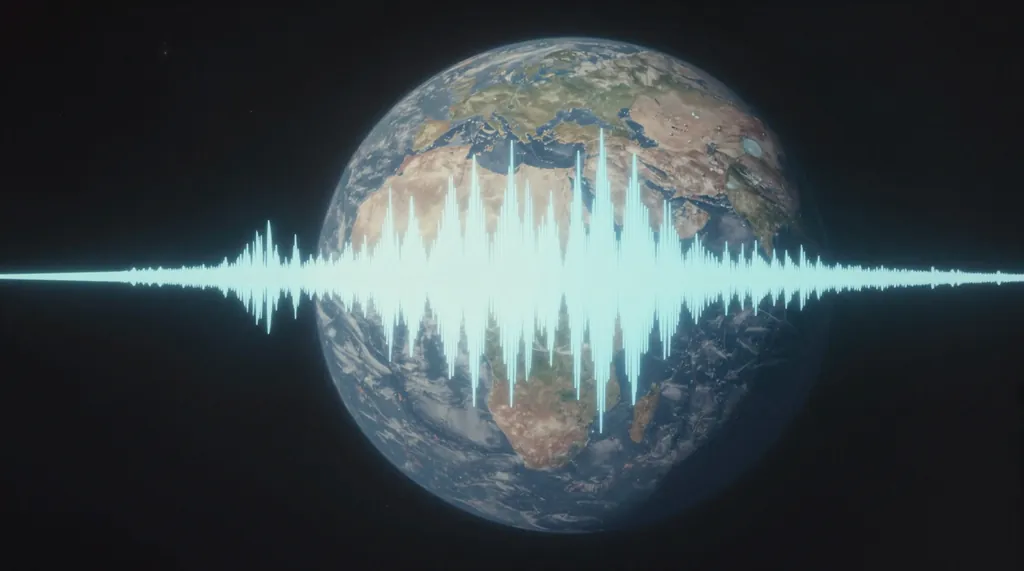
We are on a world where the atmosphere is dense, rich in nitrogen and heavy noble gases. On Earth, sound travels at 343 meters per second. In this thick high-pressure soup, sound travels at almost 900 meters per second. Attenuation is minimal. A whisper here travels kilometers.
It is the perfect medium for Acoustic Sapience.
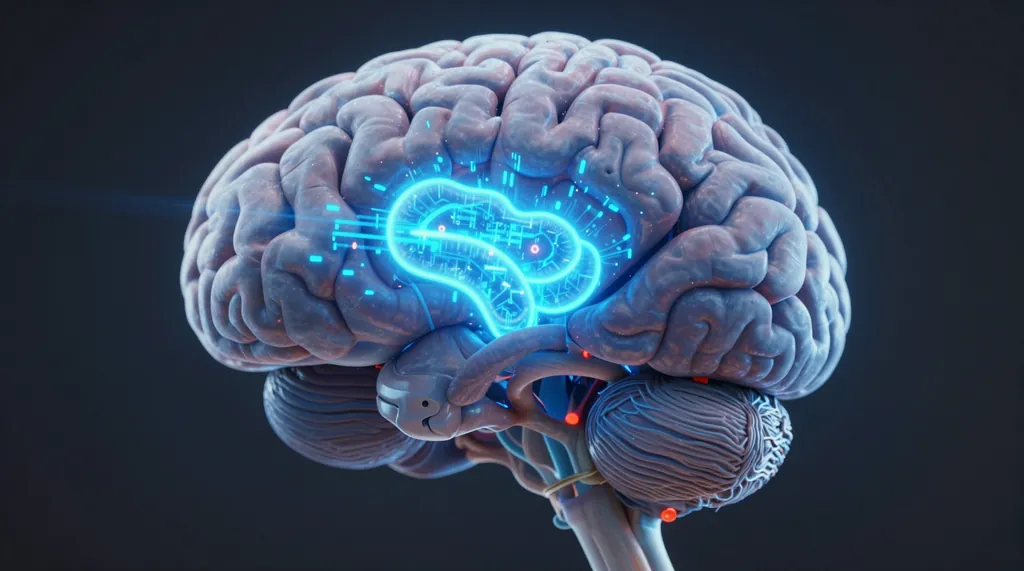
Forget everything you know about being "blind." These beings do not grope in the dark. Their perception of space is more precise, more volumetric, and more three-dimensional than your 20/20 vision.
We see in 2D and our brain infers 3D.
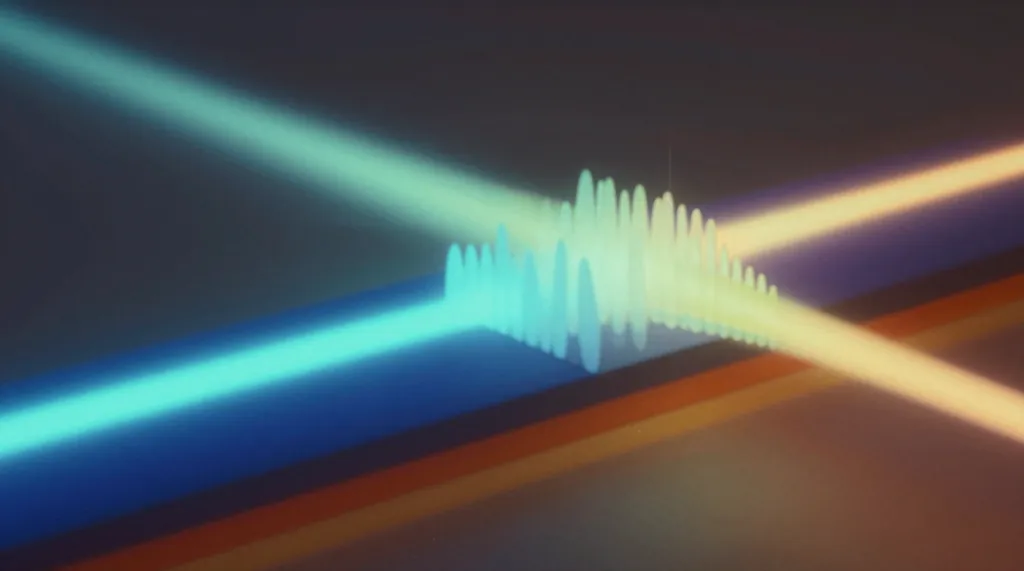
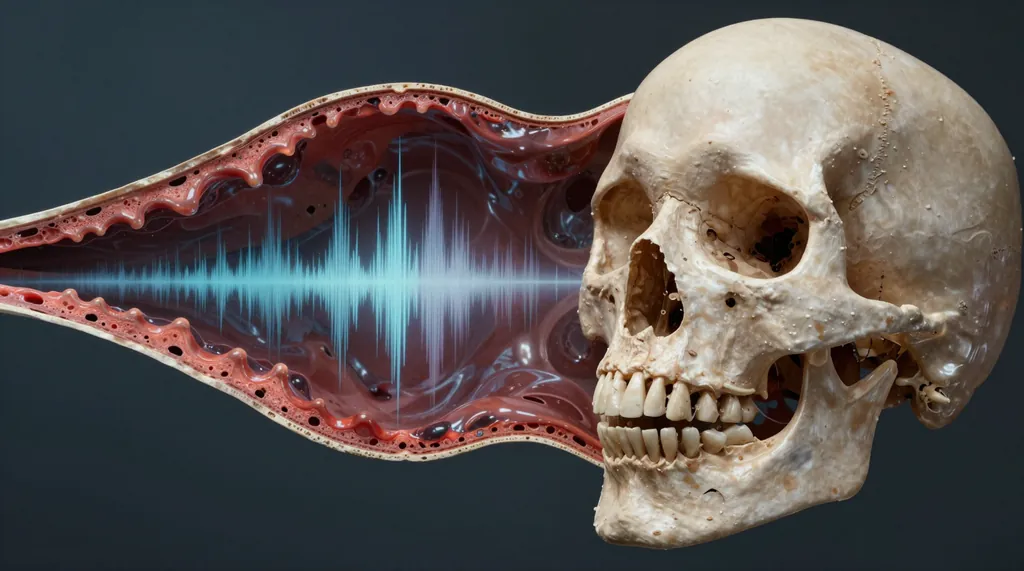
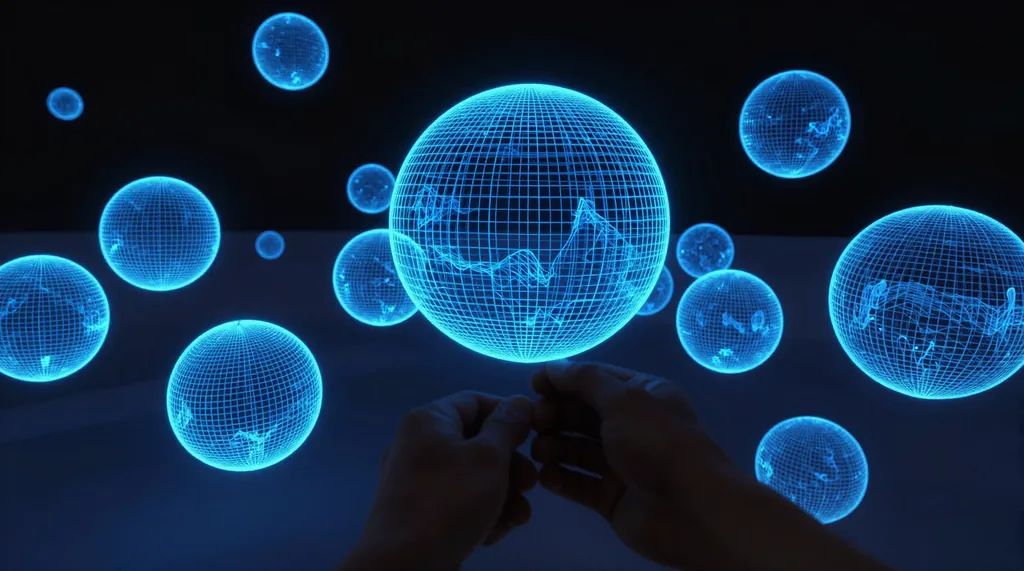
They perceive 3D directly through echo return time. They are high-fidelity biological Lidar.
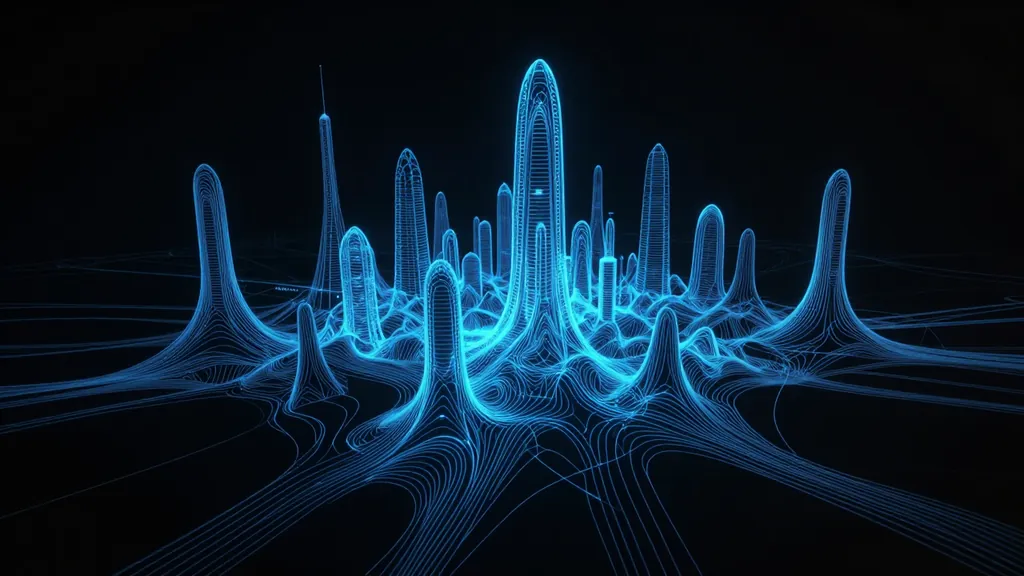
In this episode, we will stop looking and start listening. We will enter a city made of frozen songs and meet the architects who build with echo.
SECTION III: CULTURE – THE SYMPHONIC CITY
How does a species that doesn't use sight build a city?
We build for visual aesthetics: symmetry, color, sight lines, vertical grandeur.
They build for Acoustics.
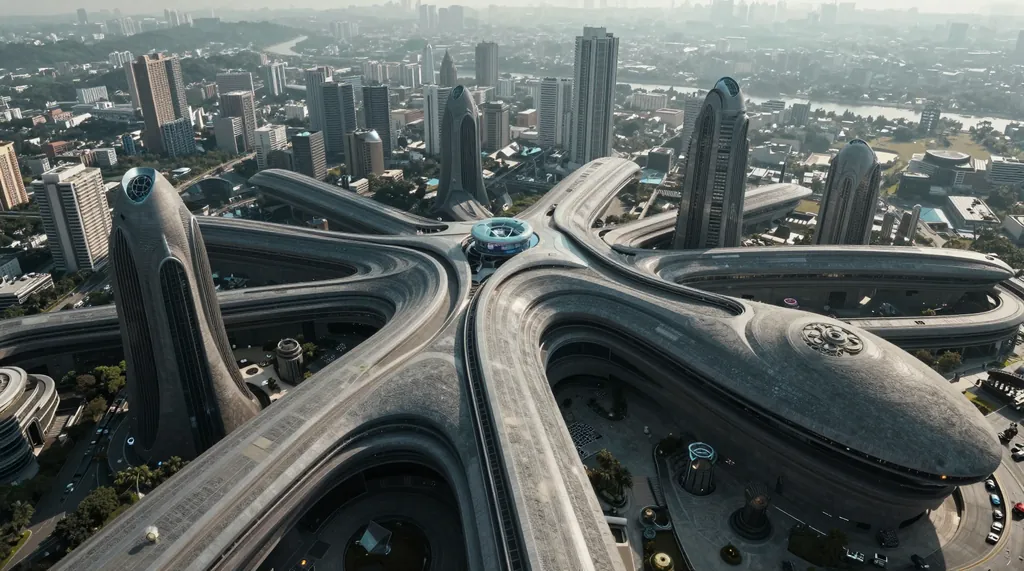
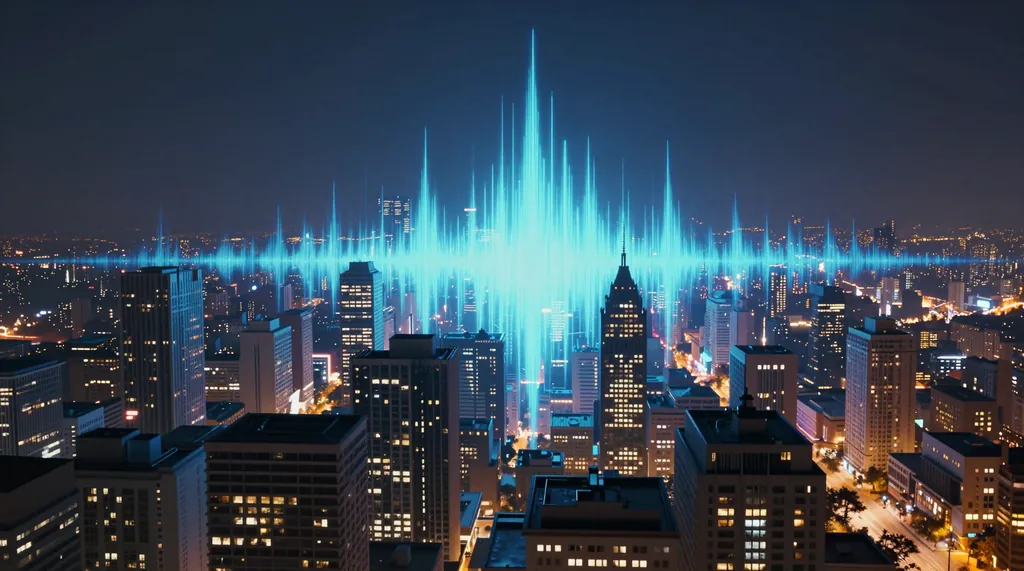
Welcome to Cymatica, the Symphonic City.
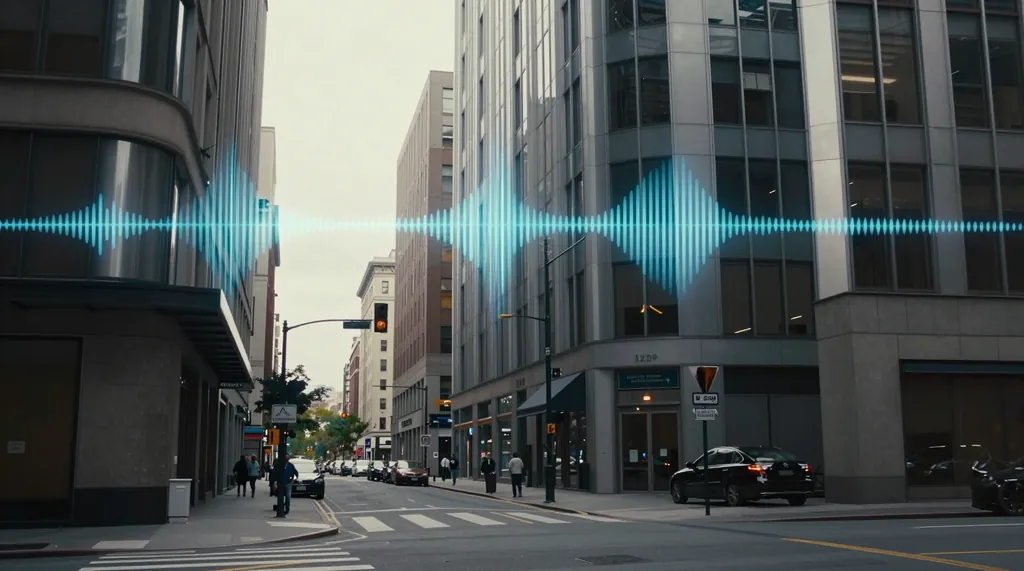
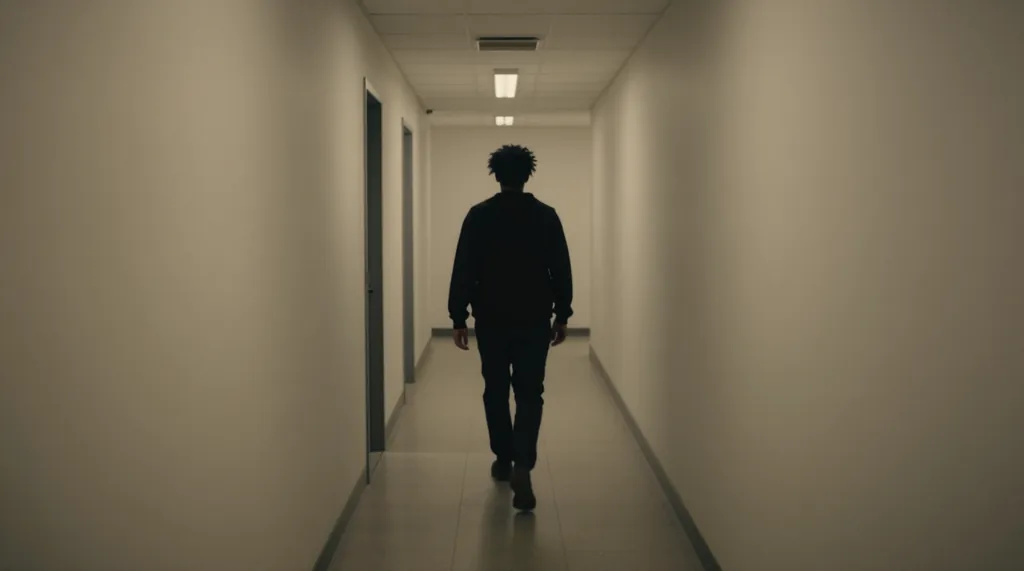
Walking through these streets as a human would be a terrifying and bewildering experience. It is a labyrinth of curved surfaces and variable textures. But for a Resonator, this city is a legible and functional work of art.
Every building has a unique "sonic signature."
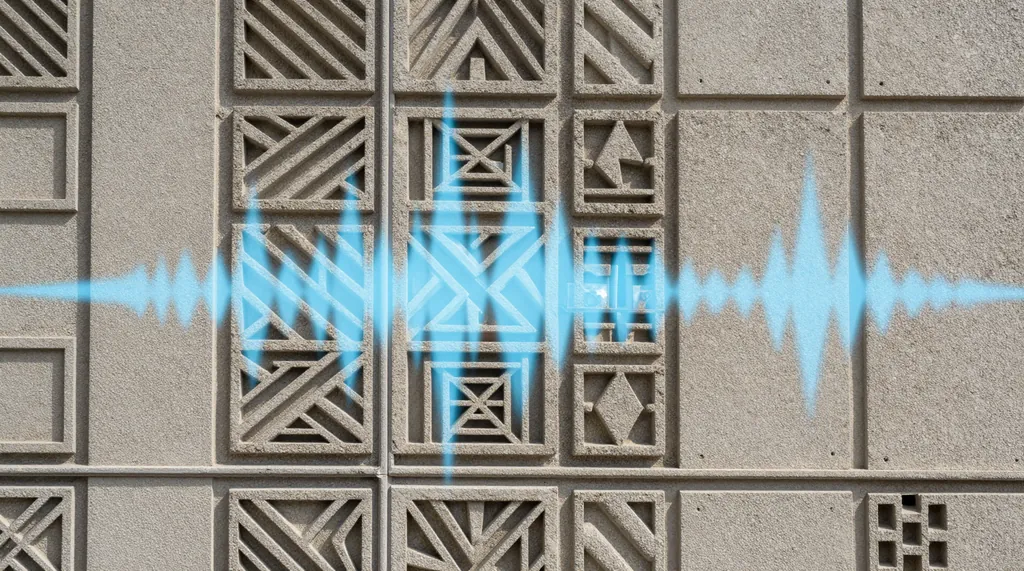
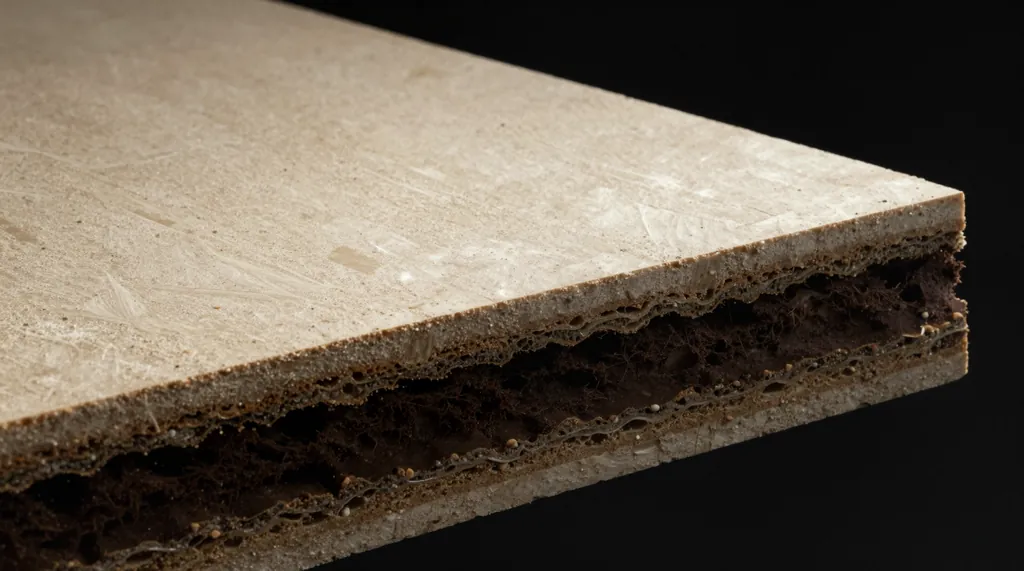
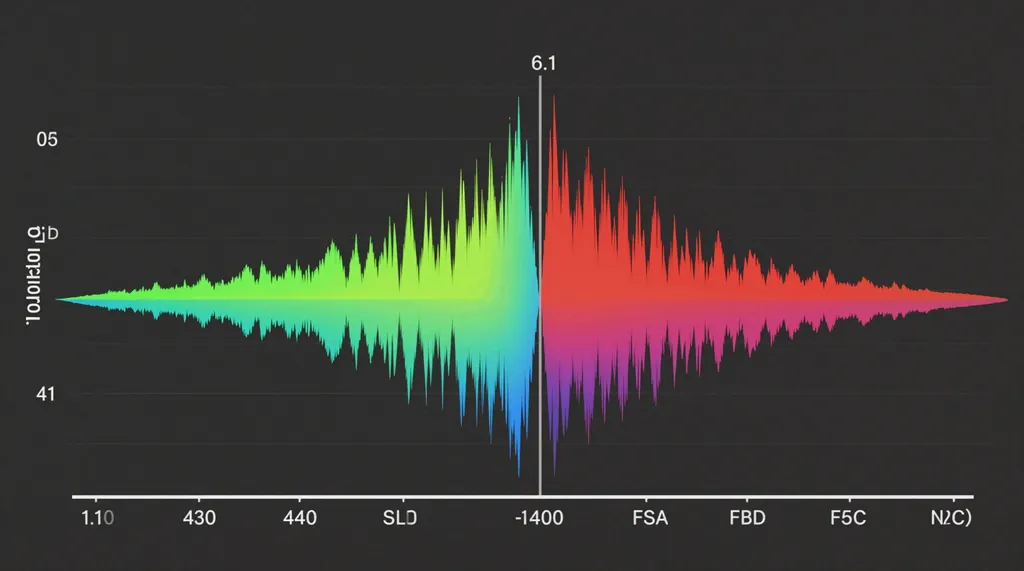
The library doesn't have a sign saying "Library." No. The building's facade is constructed with a specific porous material and fractal geometry that, when hit by a passerby's clicks, returns an echo with an exact frequency of 440 Hz with a smooth decay.
You hear an echo. They read: "Archive of Knowledge."
Streets are designed as waveguides. Intersections have acoustic reflectors on corners to allow seeing traffic coming from the sides before reaching the crossing. There are no mirrors; there are "acoustic mirrors" of polished stone.
And their writing?
They don't use ink on paper. Ink has no relief; it is invisible to echo.
Their writing is Glyphic-Tactile-Sonic.
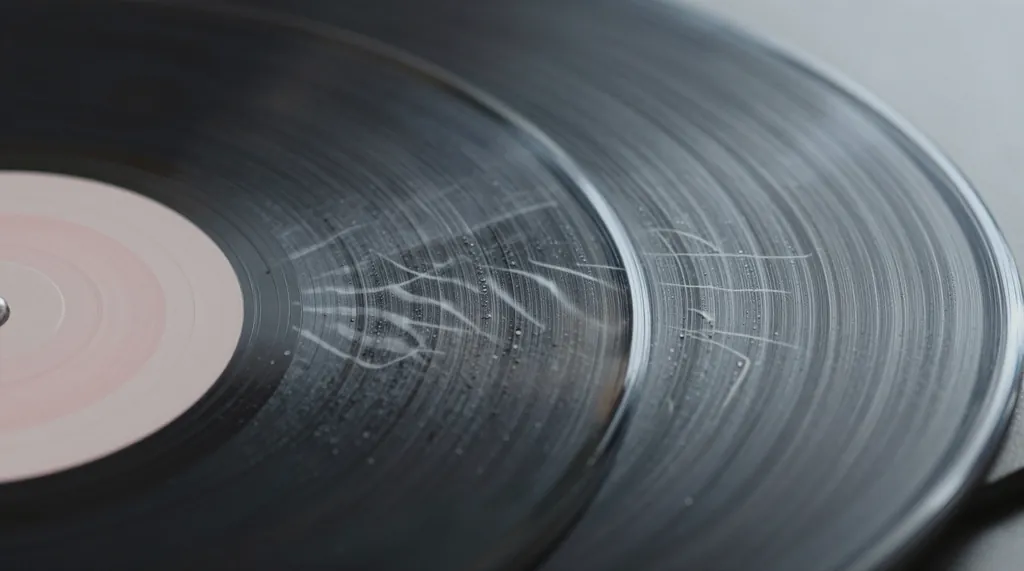
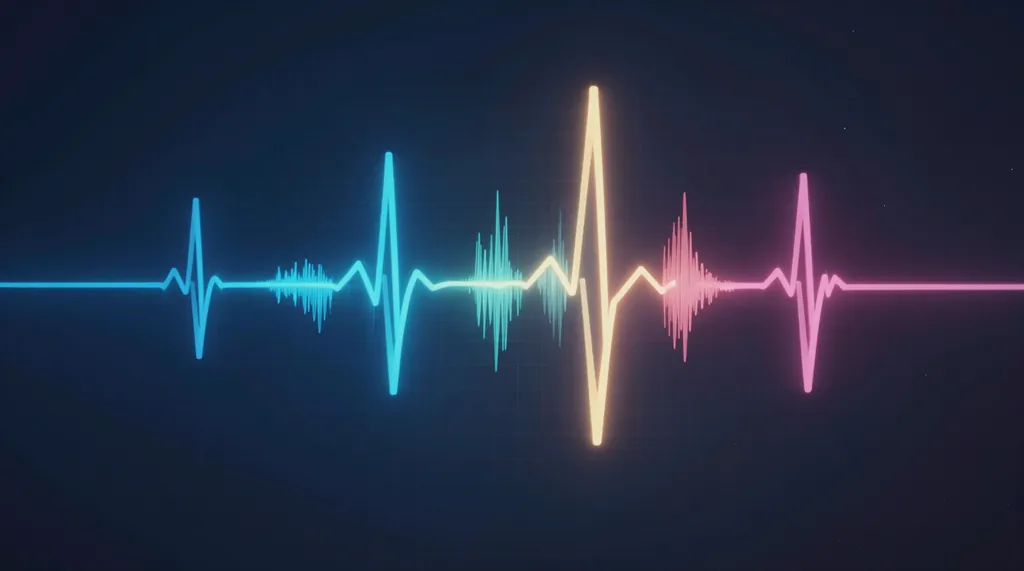
They write by carving grooves into clay or metal tablets. To read quickly, they run their fingers over them (Braille-type tactile reading). But to read from a distance or share a public message, they "illuminate" the text with a high-frequency sound sweep. The grooves diffract sound, encoding information in the return echo.
A monument is not read; it is heard. A poem is literally a physical structure modulating air.
Let's understand their concept of Privacy.
In our society, we close curtains to have privacy. If they don't see us, we are alone.
Here, sound travels around corners. It passes under doors. It goes through thin walls.
In this culture, staring at someone (focusing your sound beam on them) is an act of aggression or extreme sexual intimacy. It is like touching them.
Social etiquette demands the use of "White Noise".
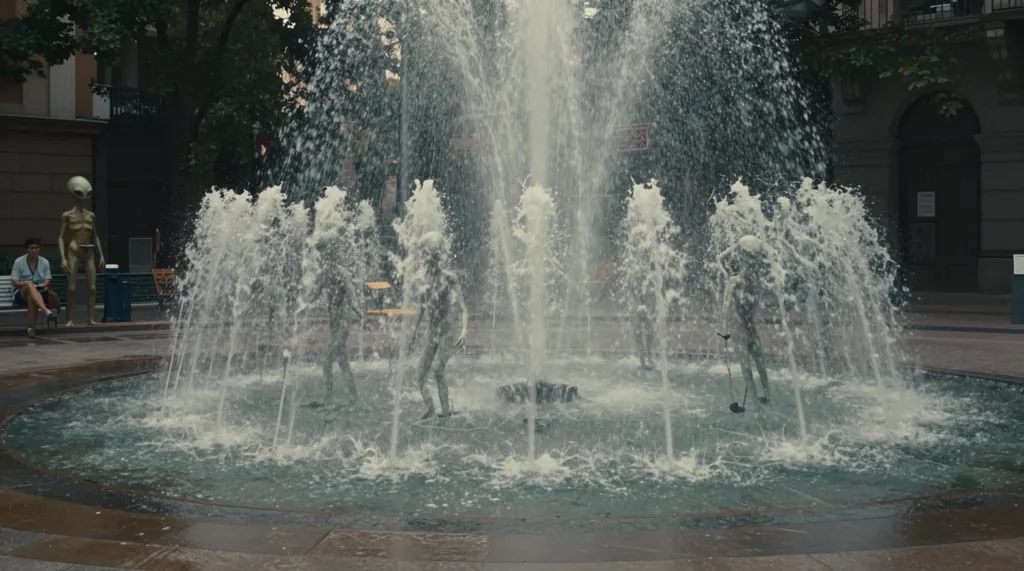
In public gatherings, water fountains or vibrating devices generate a curtain of constant sound, an auditory fog preventing you from hearing your neighbor's heartbeat or bowel movements. Privacy is active masking.
Their art is not painting. It is Sonic Sculpture.
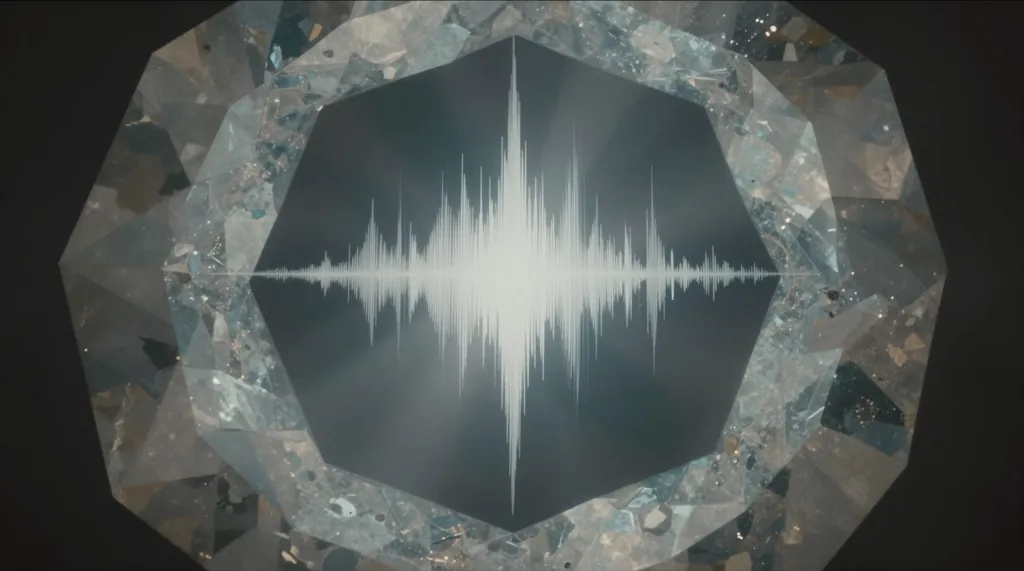
Objects that look like misshapen rocks to us, but which, when hit by sound waves, decompose the echo into complex harmonic chords. A statue is not beautiful for its shape, but for how it "colors" the sound bouncing off it.
They live inside a permanent song.
SECTION V: FINAL REFLECTION AND BRIDGE TO EPISODE 20
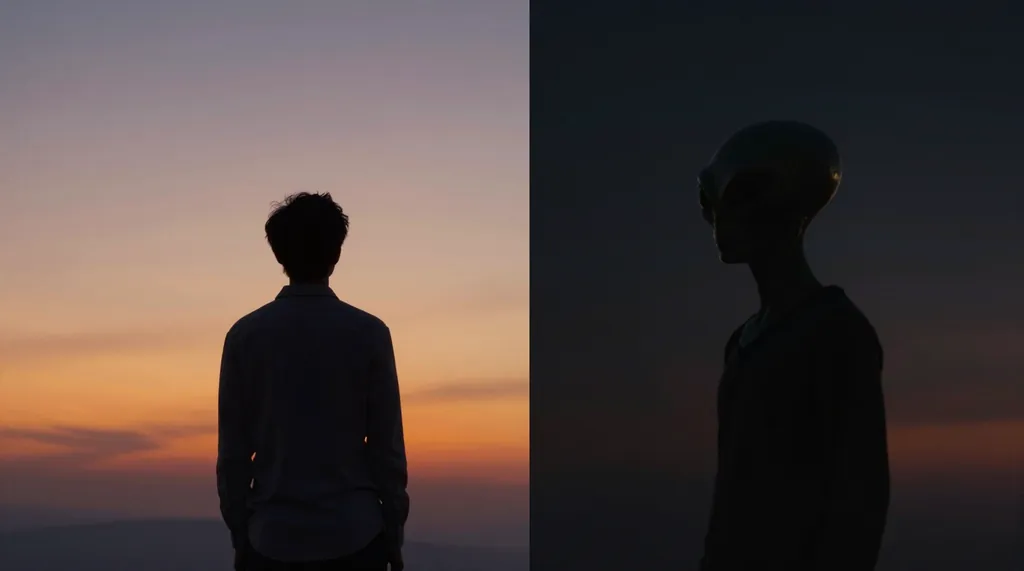
If we met a Resonator, we would probably feel pity.
"Poor creatures," we would think. "They live in darkness. They have never seen a rainbow, nor a sunset, nor the stars."
We would feel superior with our eyes.
But they would pity us.
"Poor surface creatures," they would say. "They live deceived by light. They only see the husk of reality. They have never heard the music of density, nor the texture of a smile, nor the rhythm of a stranger's heart from a distance."
For them, we are the sensory disabled ones. We are flat. We are opaque.
They inhabit a universe of transparency and depth we cannot even imagine. They have turned the eternal darkness of a rogue planet into a symphony of information.
However, there is a tragedy in their perfection.
Sound needs a medium. It needs air.
Light can travel through the vacuum of space, connecting stars and galaxies. Sound dies in vacuum.
Their "vision" ends where their atmosphere ends.
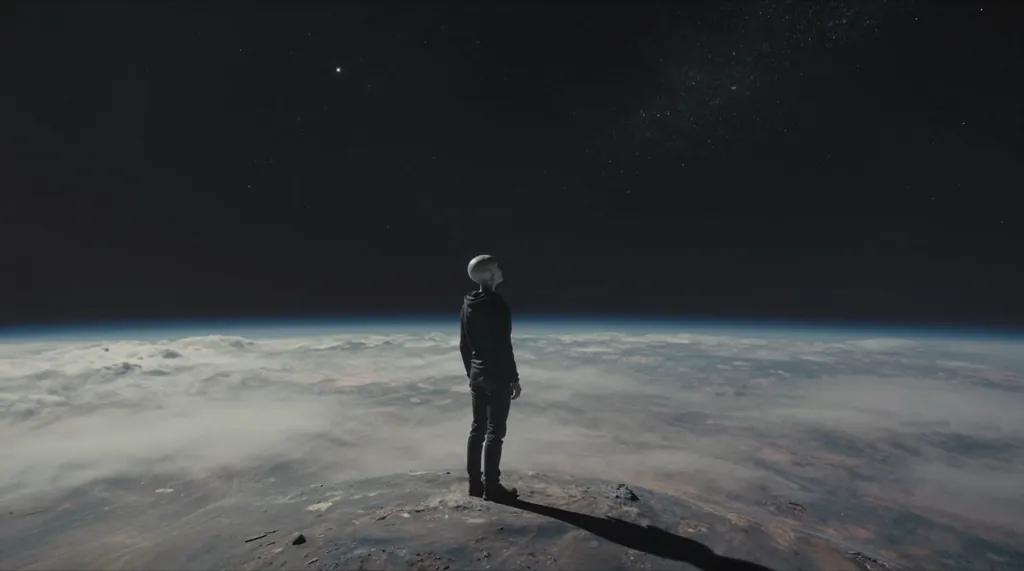
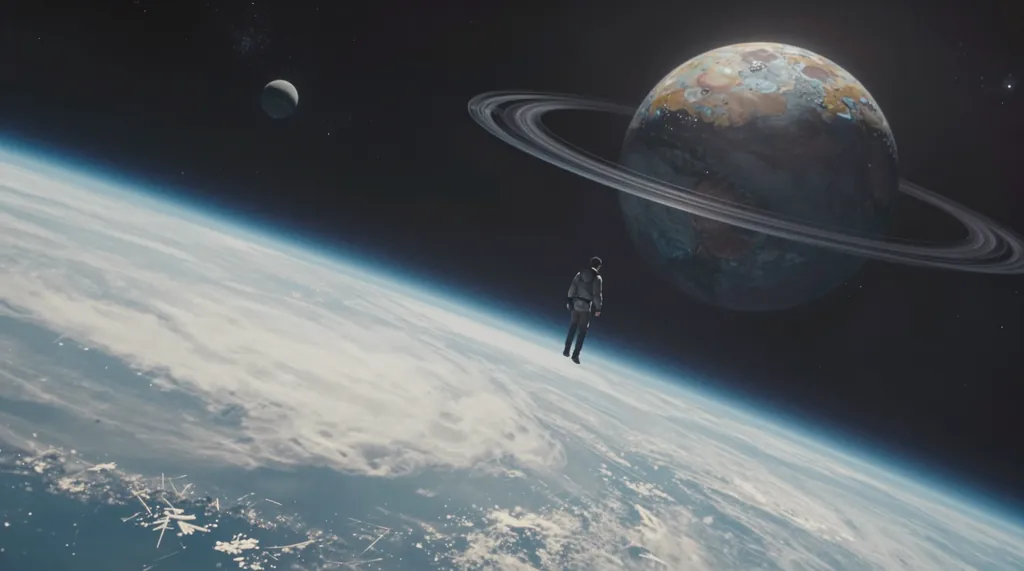
They cannot see the stars. They do not know a universe exists beyond their heavy cloud sky. For them, the universe is just their rock and their air. Outer space is absolute silence, non-existence.
They are trapped in their bubble of noise.
But physics dictates their rogue planet will eventually cool. The atmosphere will freeze and fall as snow. The transmitting medium will disappear. Silence will win.
To survive, life must do the unthinkable: It must cross silence. It must travel through the void where there is no echo.
How can a civilization escape its world if it cannot see where it is going?
The answer is not in their own bodies, but in stowaways.
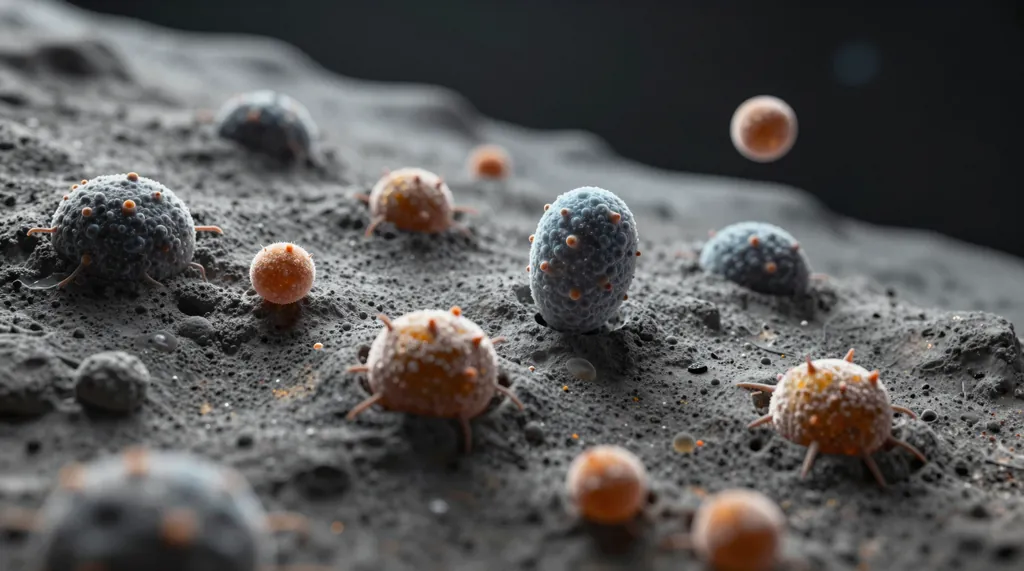
Life is stubborn. If the big ones can't travel, the small ones will.
In the next episode, we will witness the final exodus. Not in spaceships, but in rocks.
The end of Saga II approaches.
Join us to discover the Arks of Panspermia.