SECTION I: INTRODUCTION – THE COSMIC MISUNDERSTANDING
Throughout this saga, we have traveled through darkness.
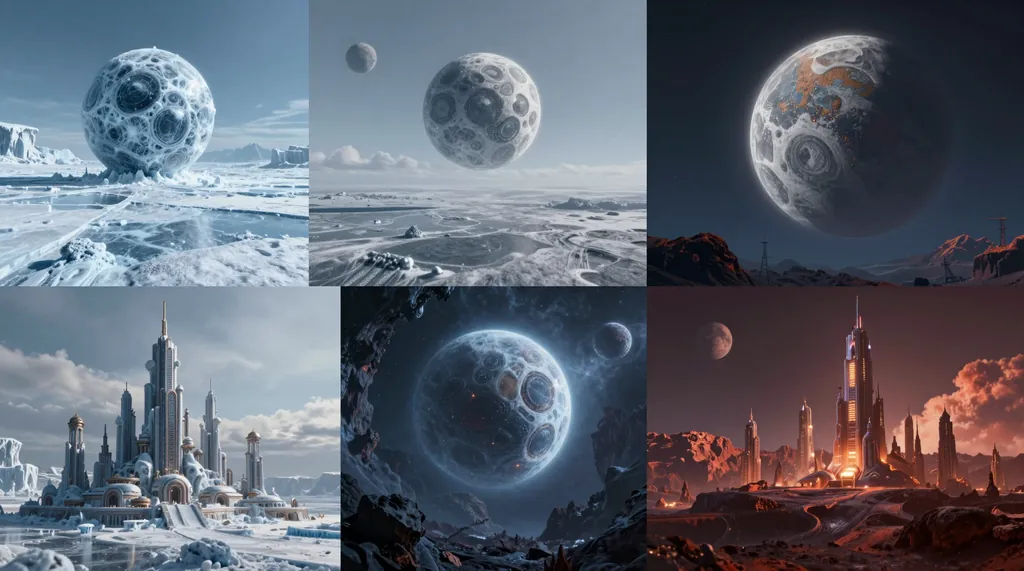
We have walked on ice crusts at 270 degrees below zero. We have felt the gravitational crushing of tortured moons. We have seen creatures hunting lightning to eat and civilizations building cities with echo because light has never touched their faces.
We have called these worlds "orphans." "Wanderers." "Loners."
In our heliocentric arrogance, we have felt pity for them.
We believe a planet without a star is a mistake, a tragic anomaly, a child expelled from the warmth of home to die in the cold of galactic winter. We cling to our Sun like scared children, believing immobility is safety.
But we are wrong. Profoundly wrong.
These worlds are not lost. They are on a mission.
They are not orphans; they are messengers.
They are not wanderers; they are gardeners.
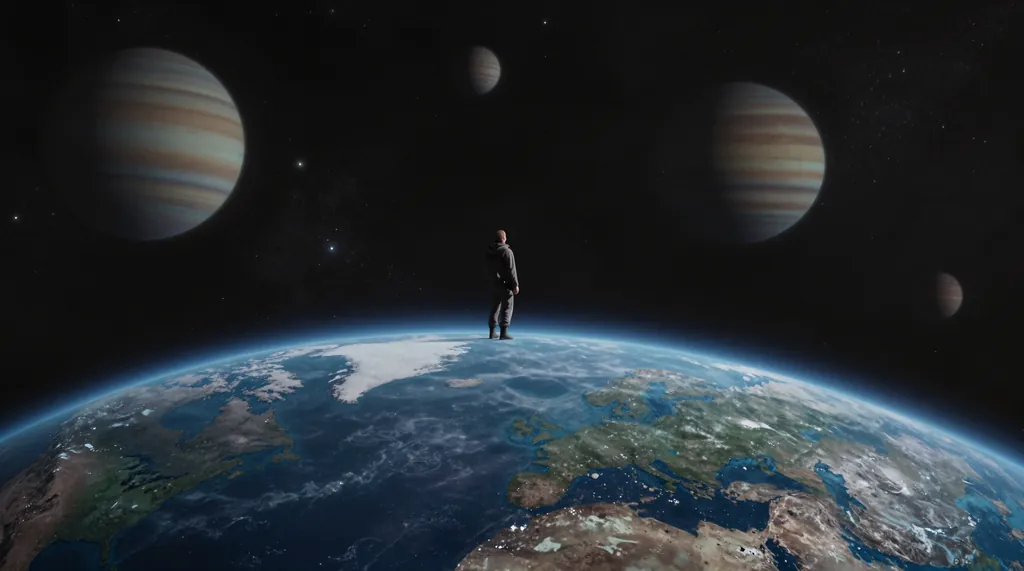
Look at your own solar system. It is an island of stability, yes. But it is also a cage.
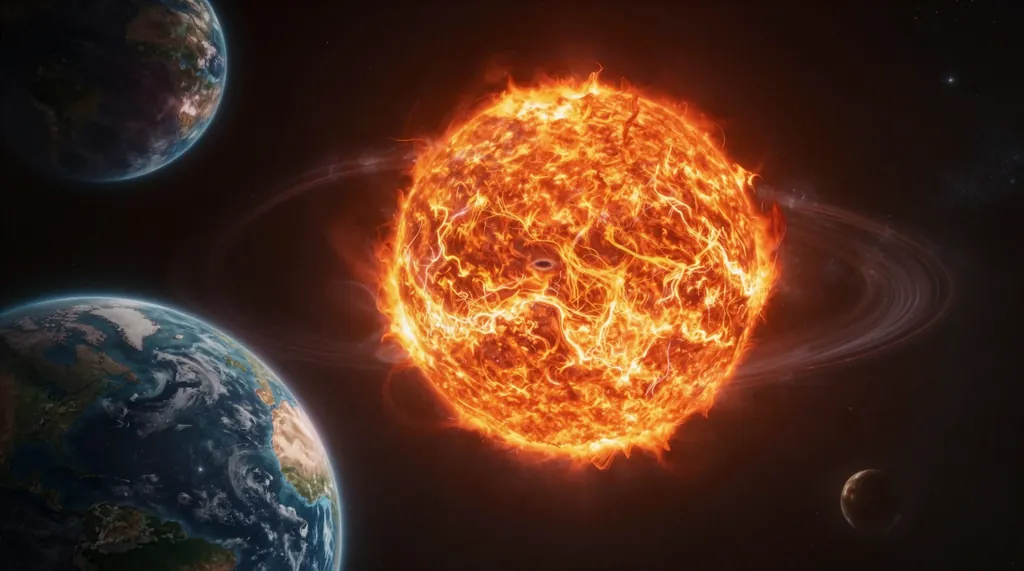
Stars, however bright and life-giving they may be, have a fatal flaw: they are temporary.
Every star is a time bomb. Eventually, our Sun will swell, devour Earth, and sterilize everything we have loved. If life stays still, life dies. Extinction is the price of loyalty to a single star.
For biology to survive on the timescale of the universe, it must become a traveler. It must leave the cradle.
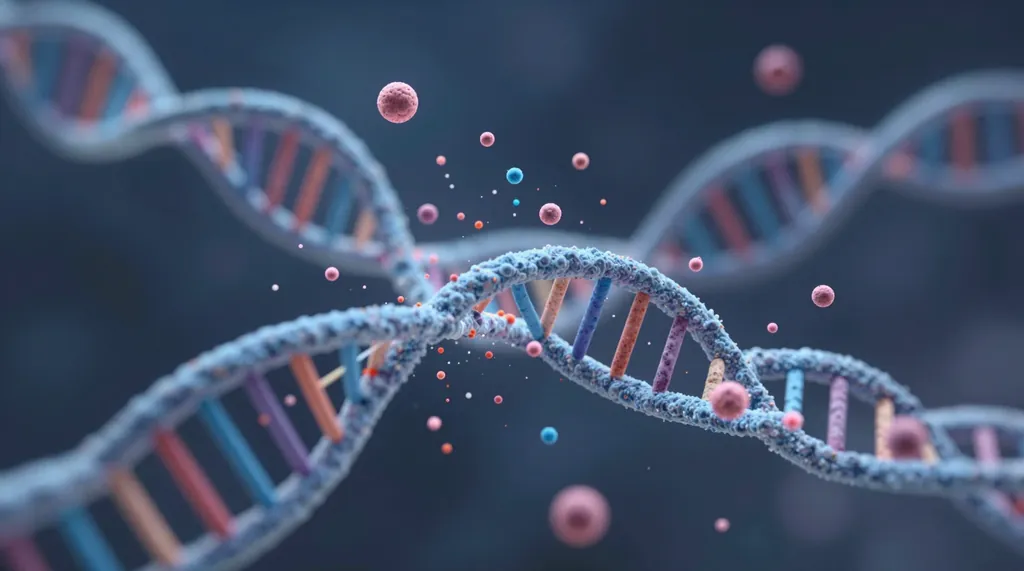
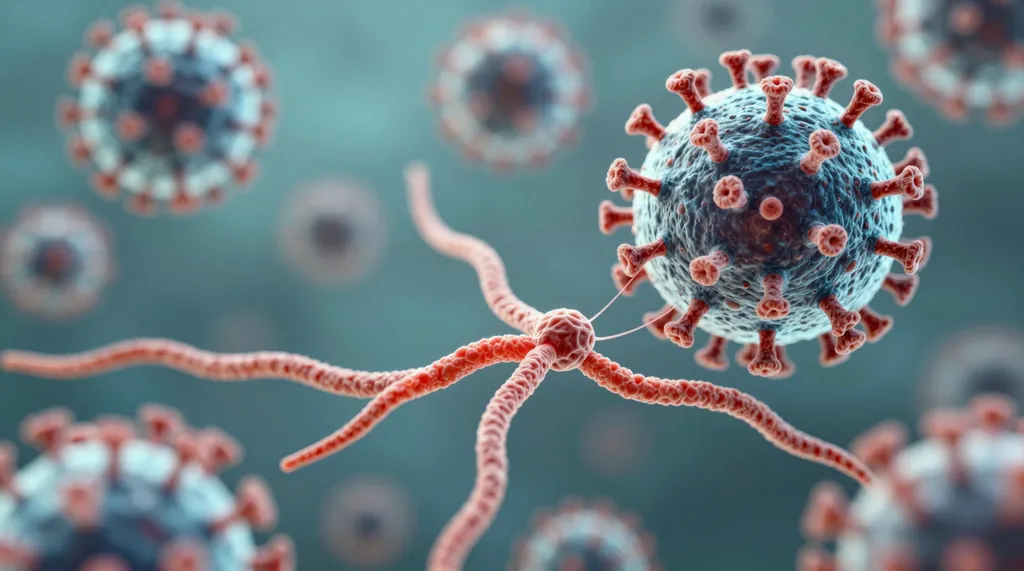
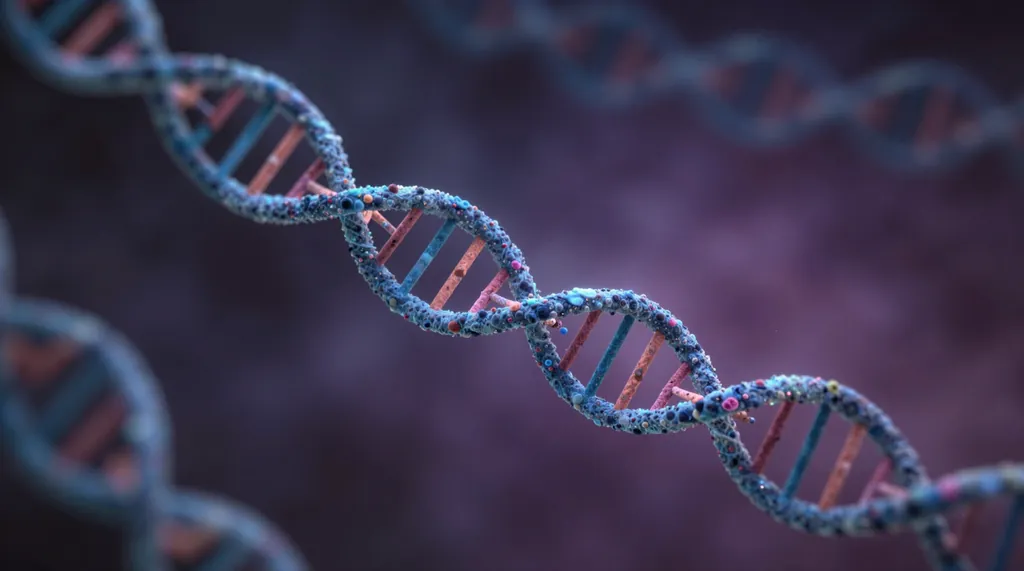
But space is hostile. Ionizing radiation tears DNA apart. Vacuum boils water. Cold stops chemistry. No metal ship built by mortal hands can last the millions of years needed to cross the abyss between galaxies.
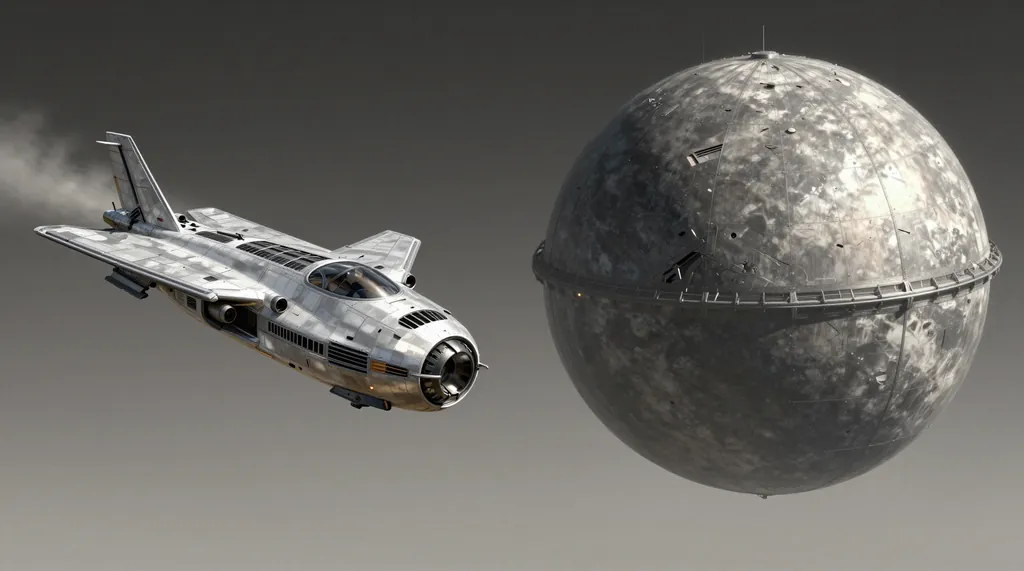
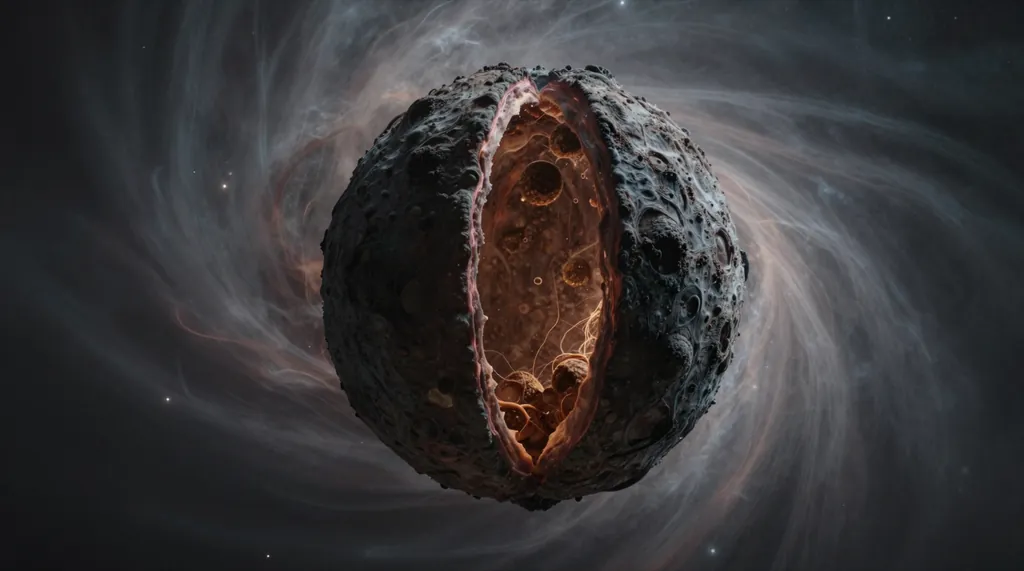
Nature, in its infinite wisdom, does not build metal ships. It builds rock ships.
It builds entire worlds designed to be ejected.
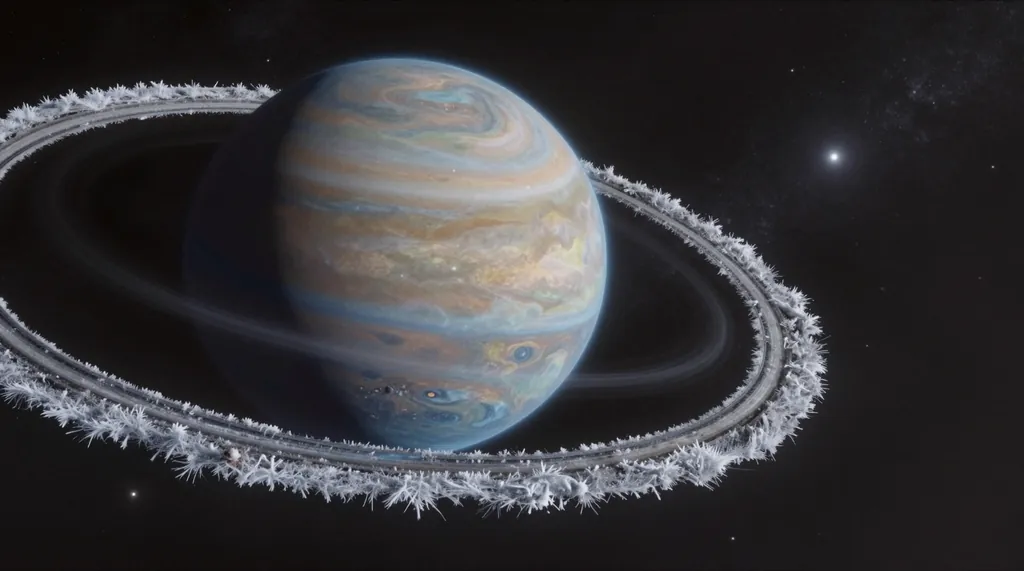
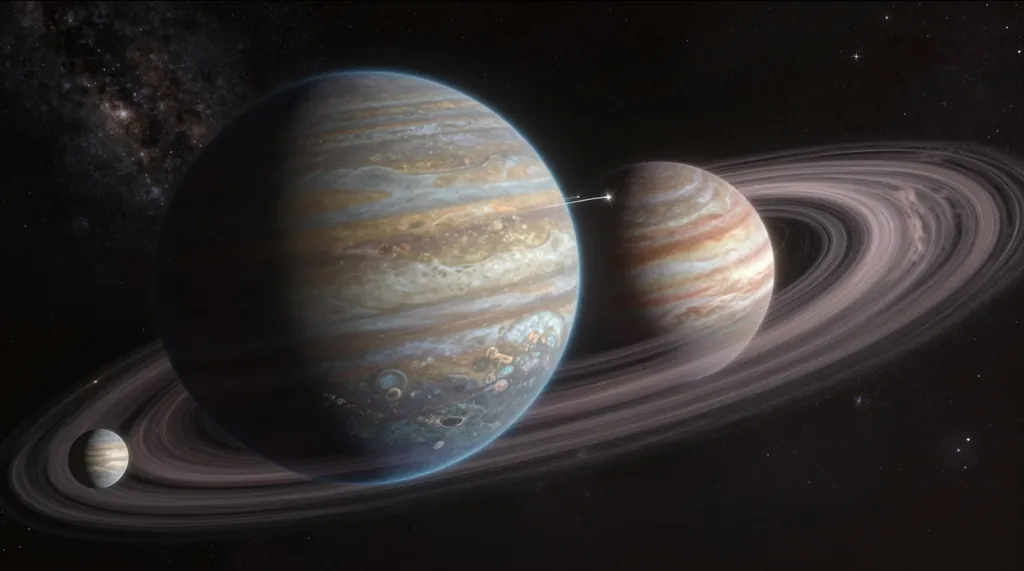
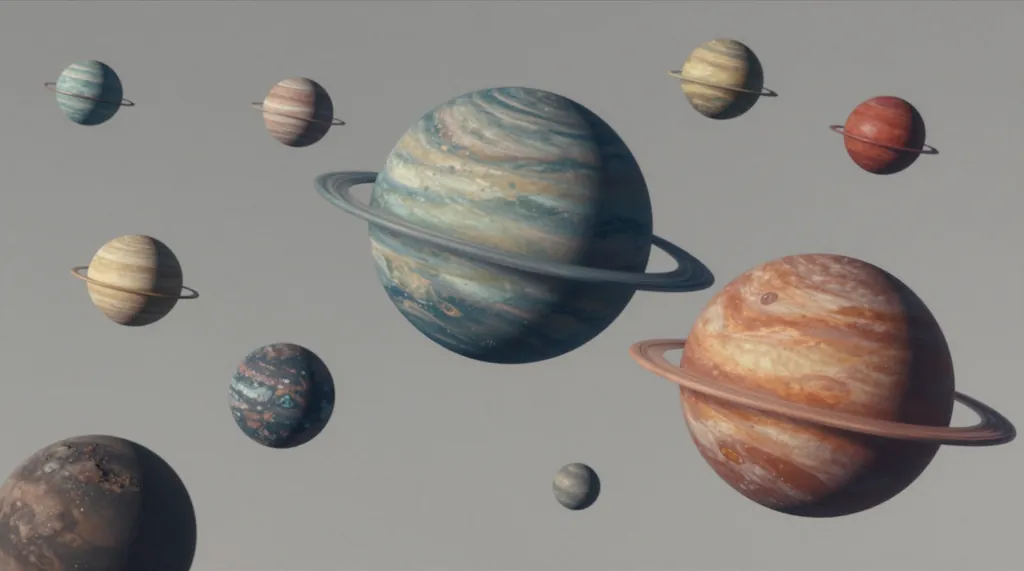
It is estimated that for every star in the Milky Way, there are thousands of rogue planets navigating in the dark.
They are not debris. They are the universe's most important transport mechanism.
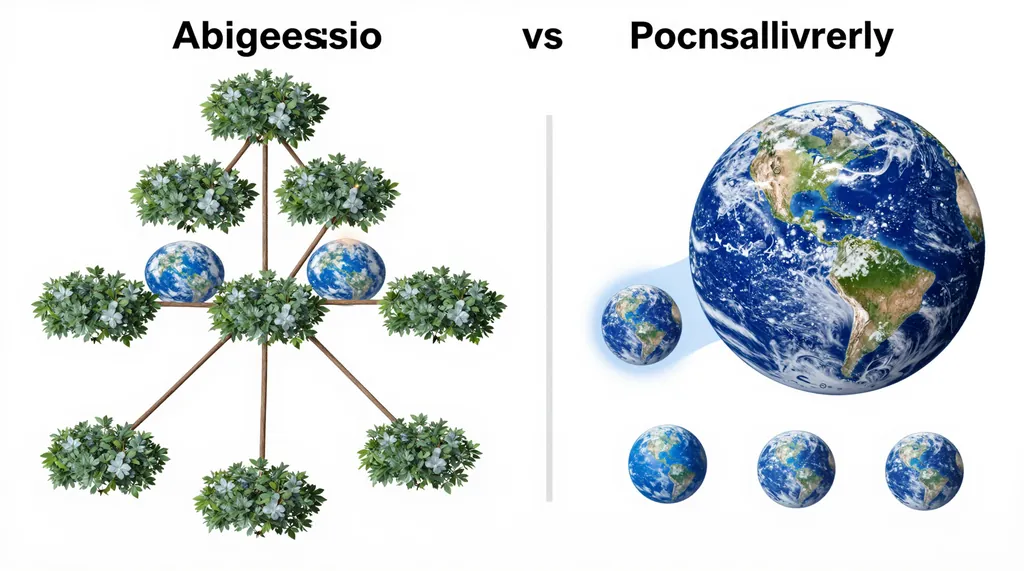
They are the Arks of Panspermia.
Everything we have seen in the last nine episodes—extreme cold, frozen atmosphere, deep hibernation—are not curses. They are design features.
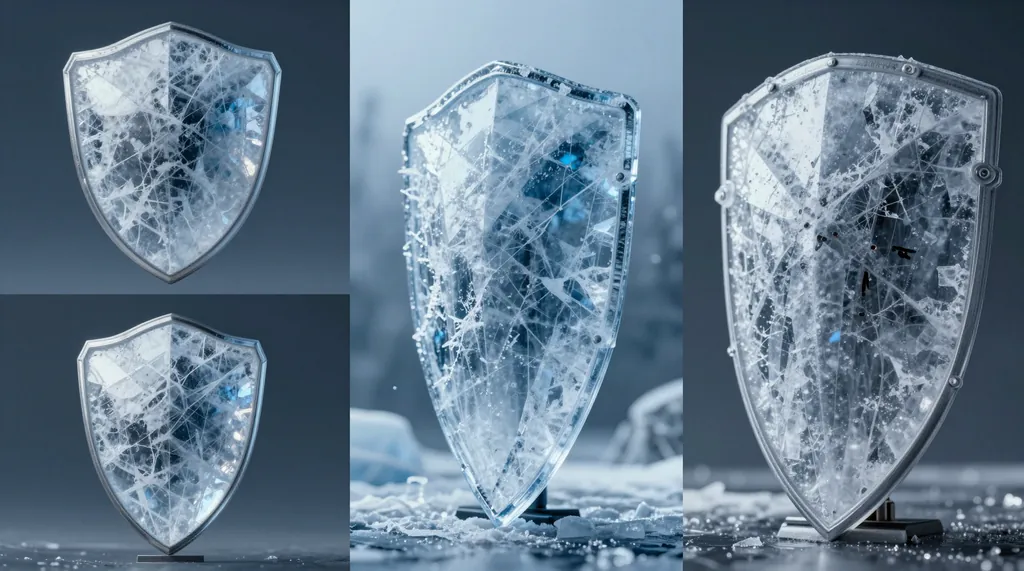
Cold preserves. Ice protects. Darkness is a cloak.
Today, we close the book of Dark Wanderers revealing their true purpose.
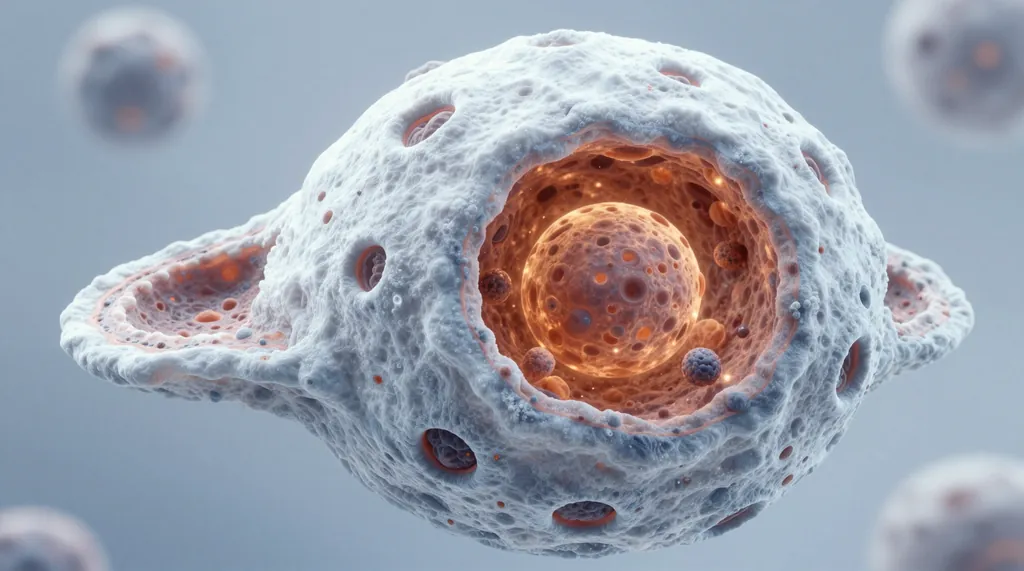
We are not looking at dead worlds. We are looking at gigantic seeds, floating in the stellar wind, waiting to find fertile soil where they can break and bloom.
SECTION III: THE ENCOUNTER – VIOLENT INSEMINATION
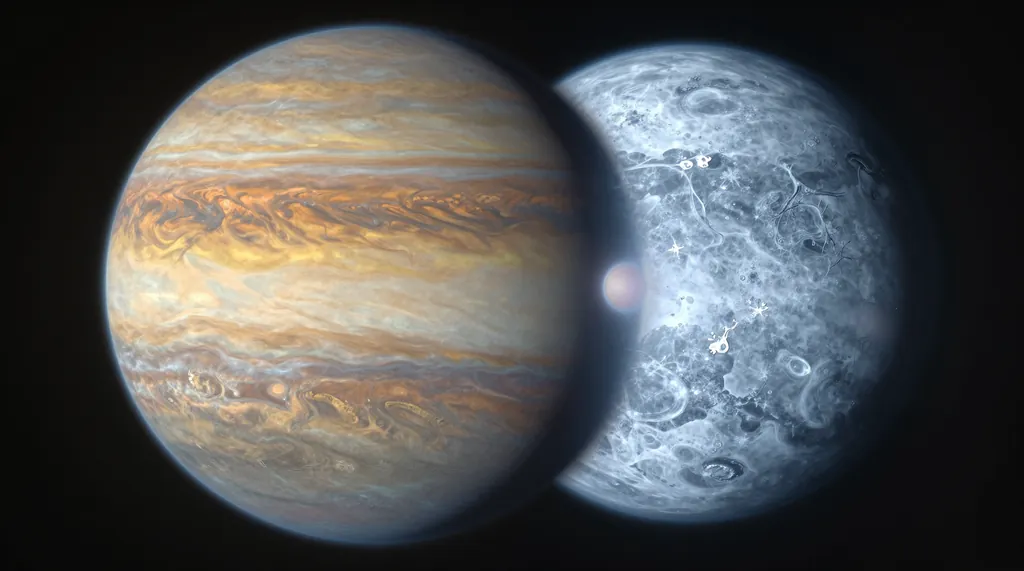
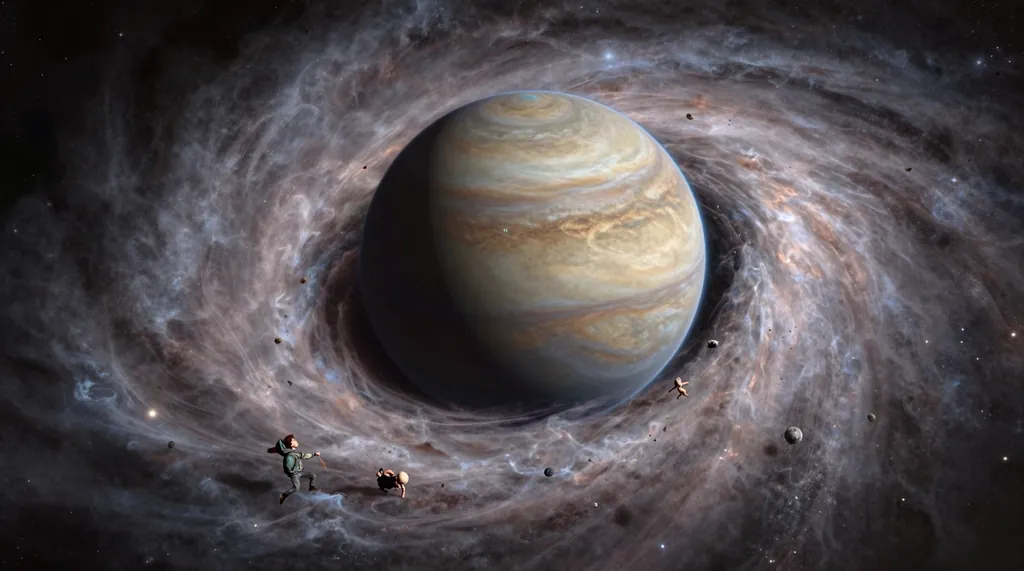
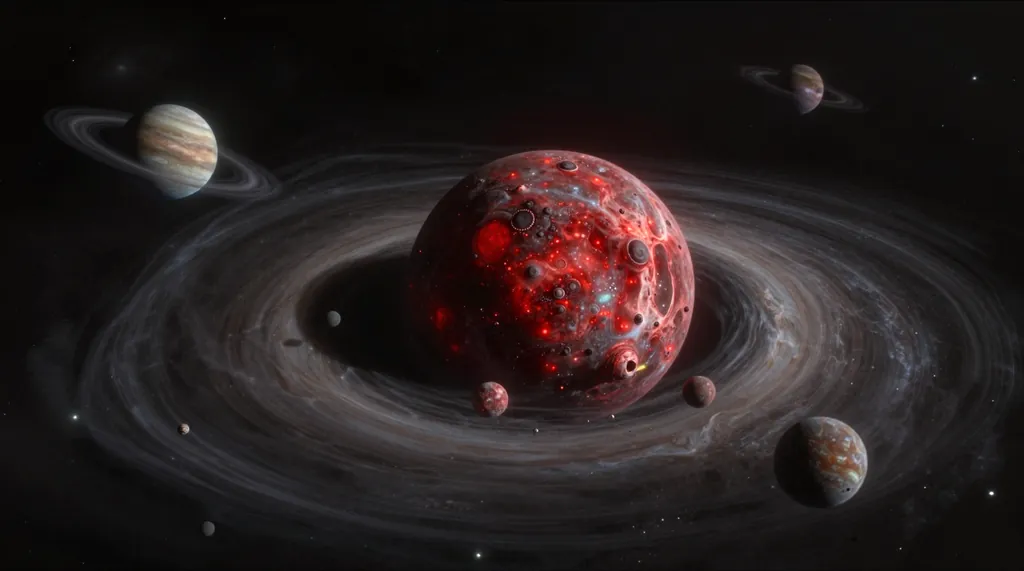
A rogue planet entering a solar system is not a subtle event. It is a cataclysm.
It is an injection of chaos into an ordered system.
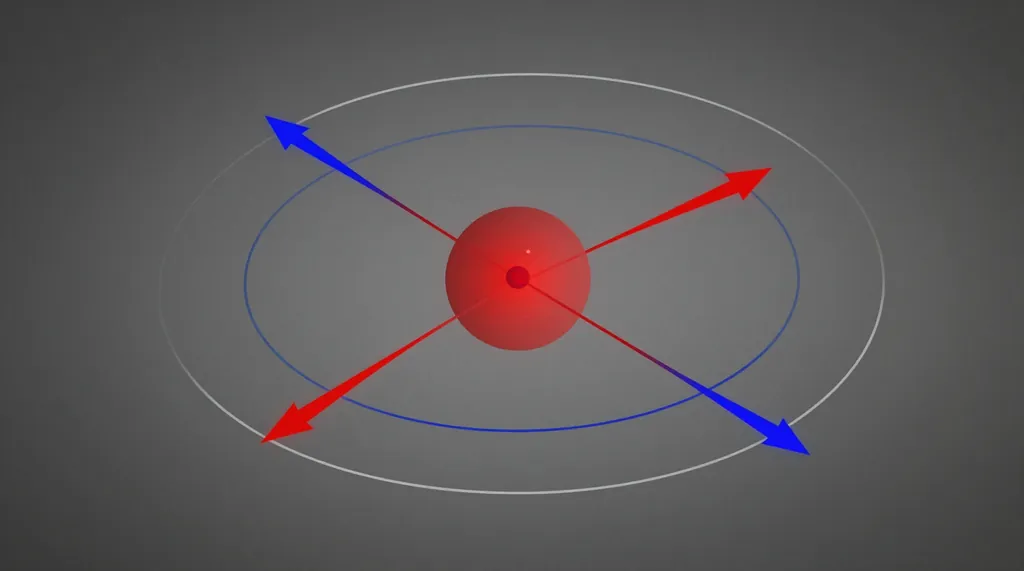
Astrophysics calls it "Gravitational Capture" or sometimes the "Kozai Mechanism."
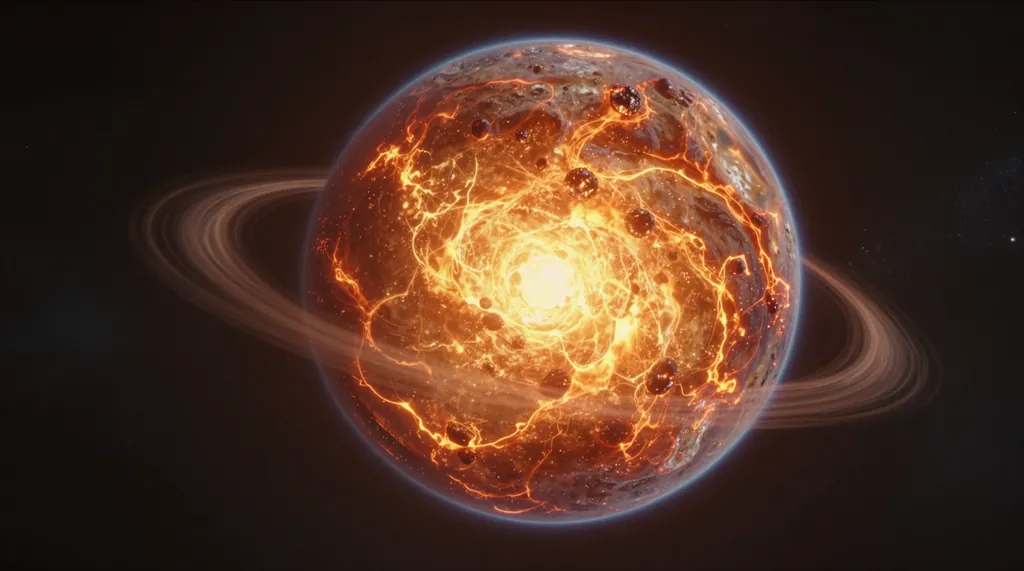
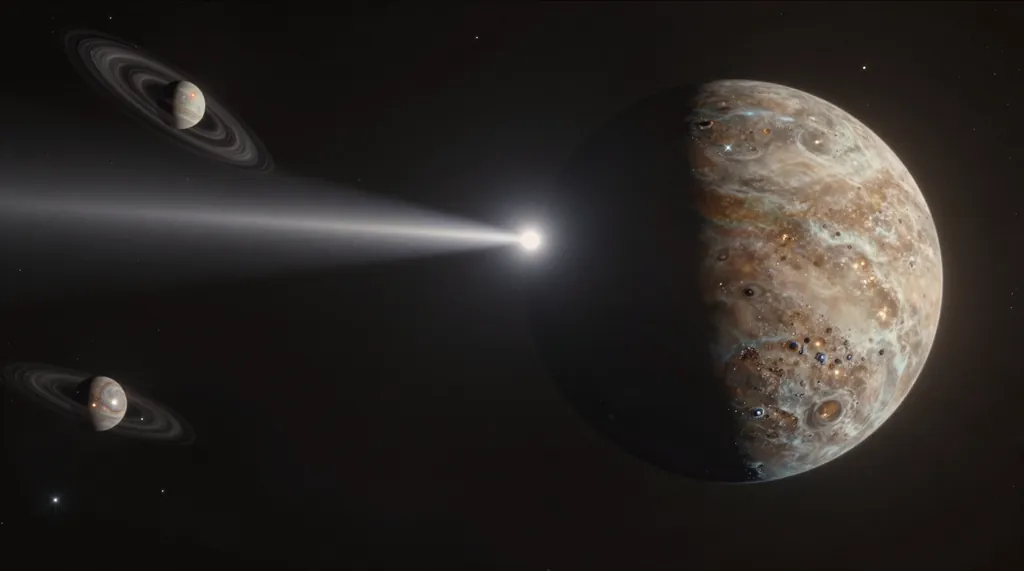
When our Ark approaches the star, surface temperature begins to rise for the first time in a billion years.
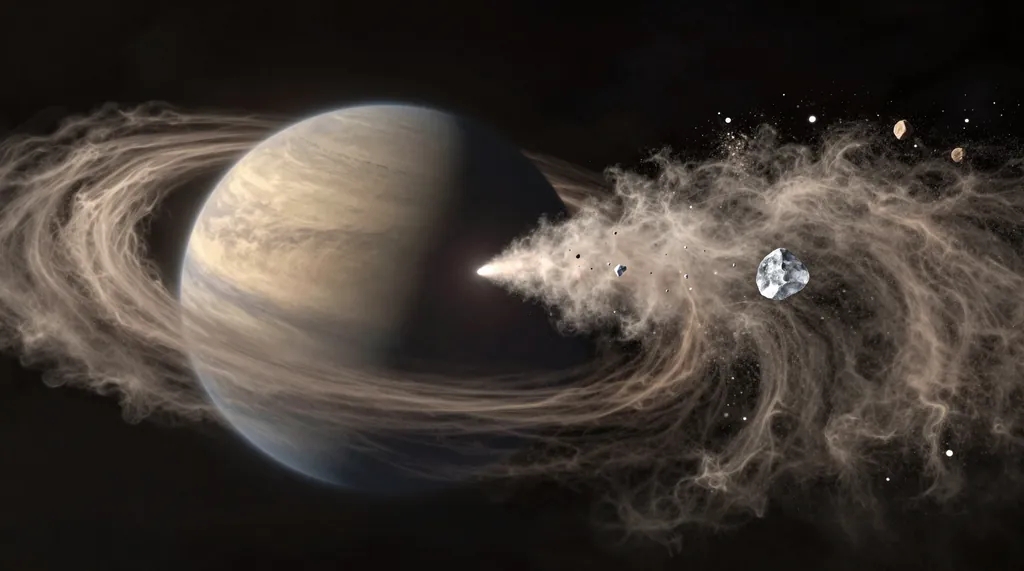
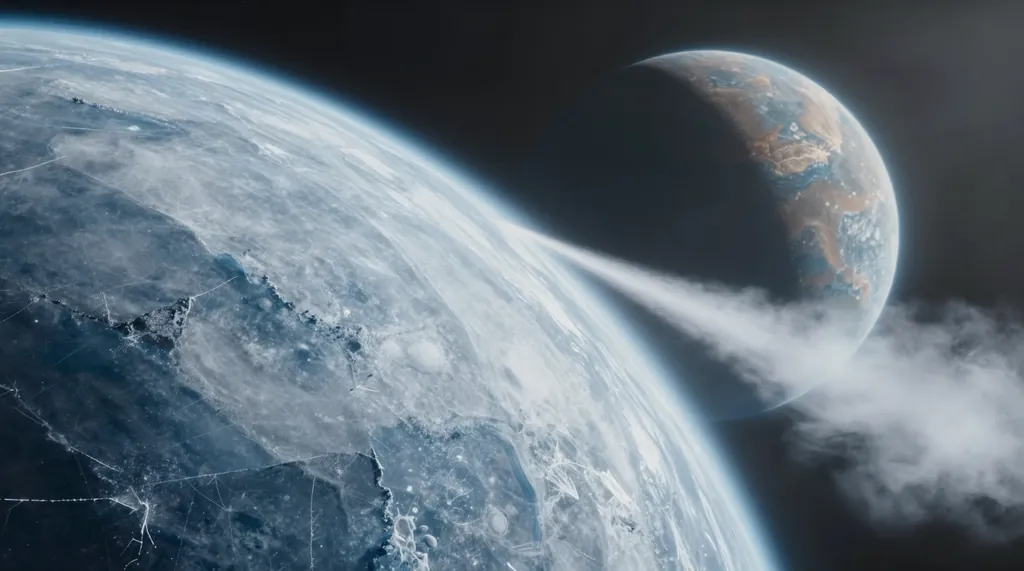
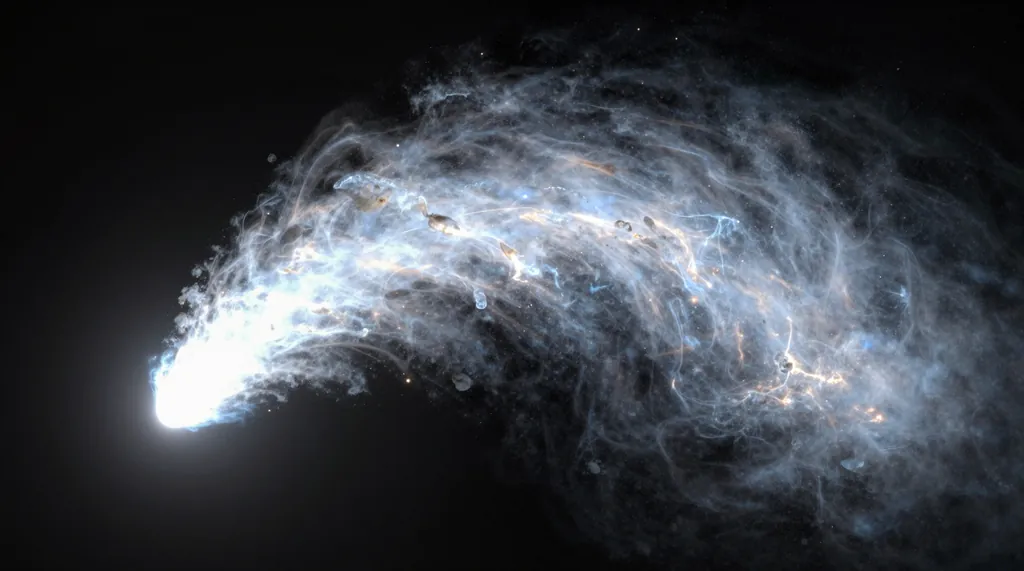
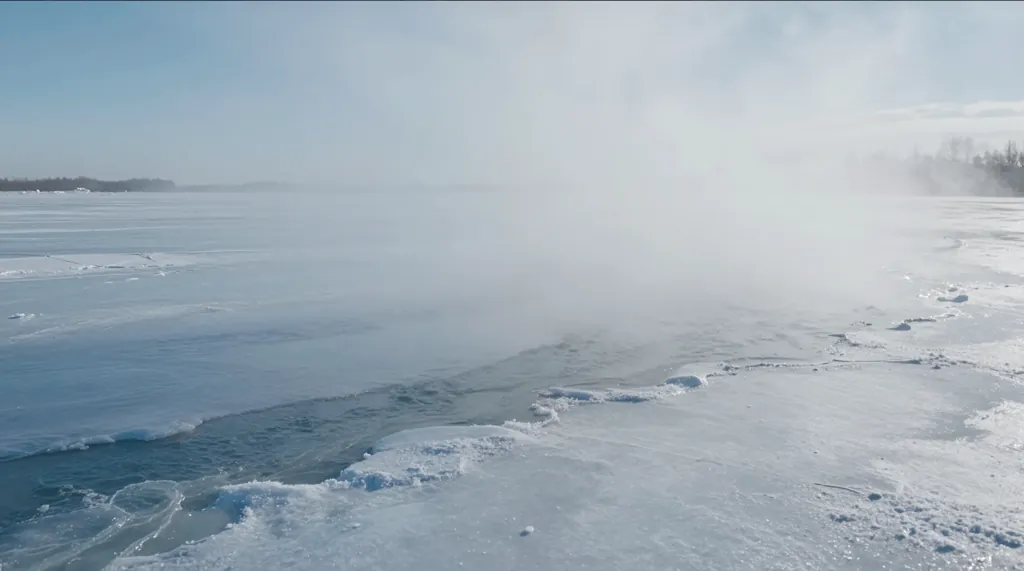
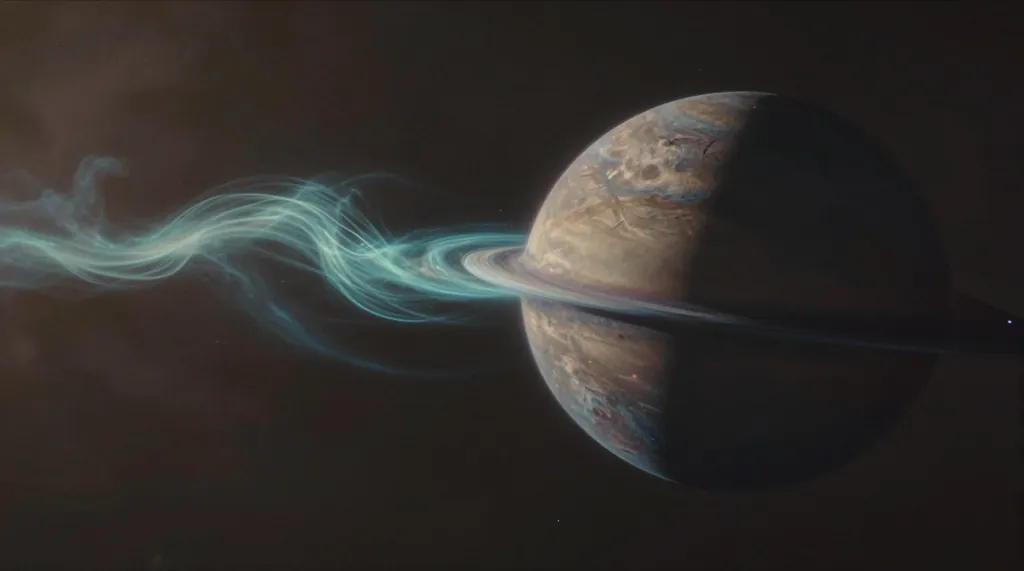
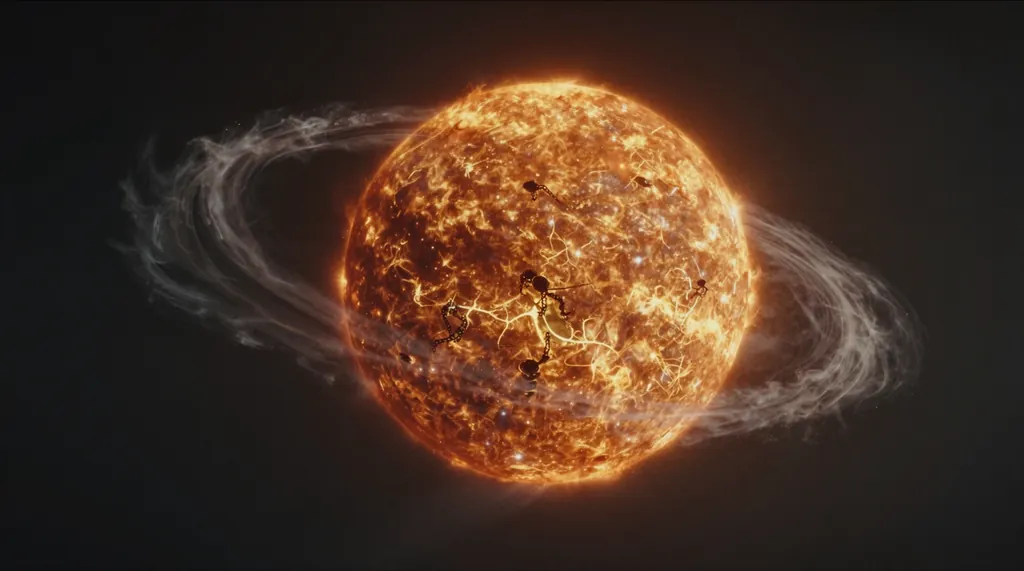
The ice "hull" begins to sublime. The frozen atmosphere vaporizes explosively, creating a comet tail the size of a solar system. The planet screams as it wakes.
There are two possible destinies for the Ark. And both fulfill its mission.
Destiny One: Capture.
The planet is caught by the star's gravity. It enters orbit. It becomes a new member of the solar family.
Ice melts. Oceans form. Atmosphere reforms.
And in the depths, microbes awaken.
The rogue planet becomes a living planet. It has brought life with it and now flourishes under a new sun.
But there is a second destiny. More dramatic. More efficient.
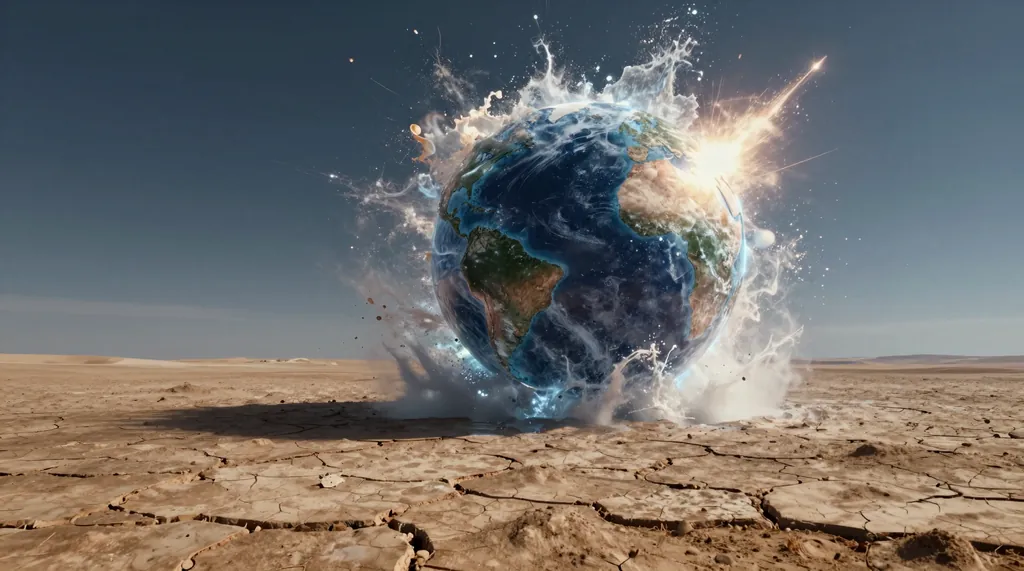
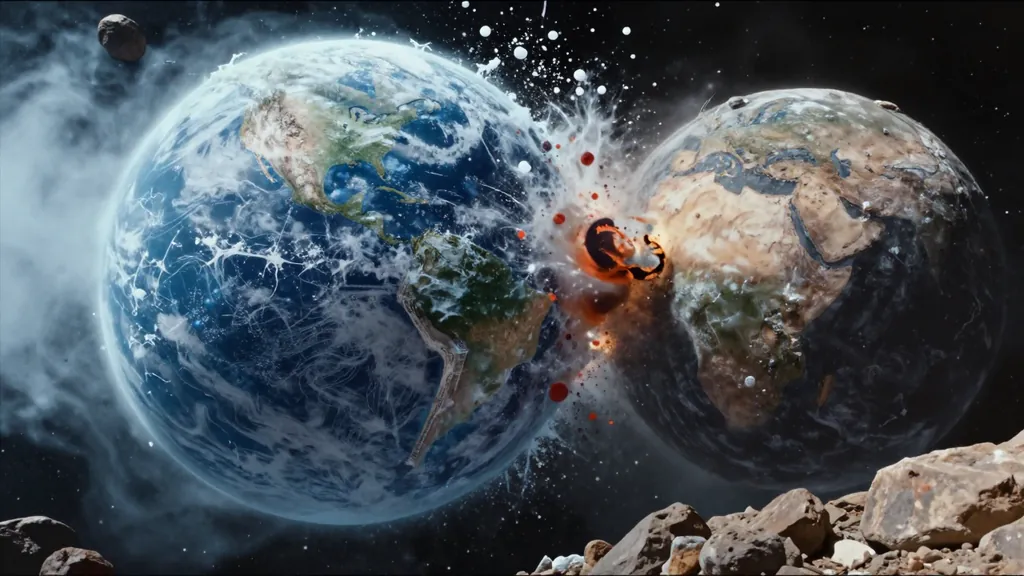
Destiny Two: Impact.
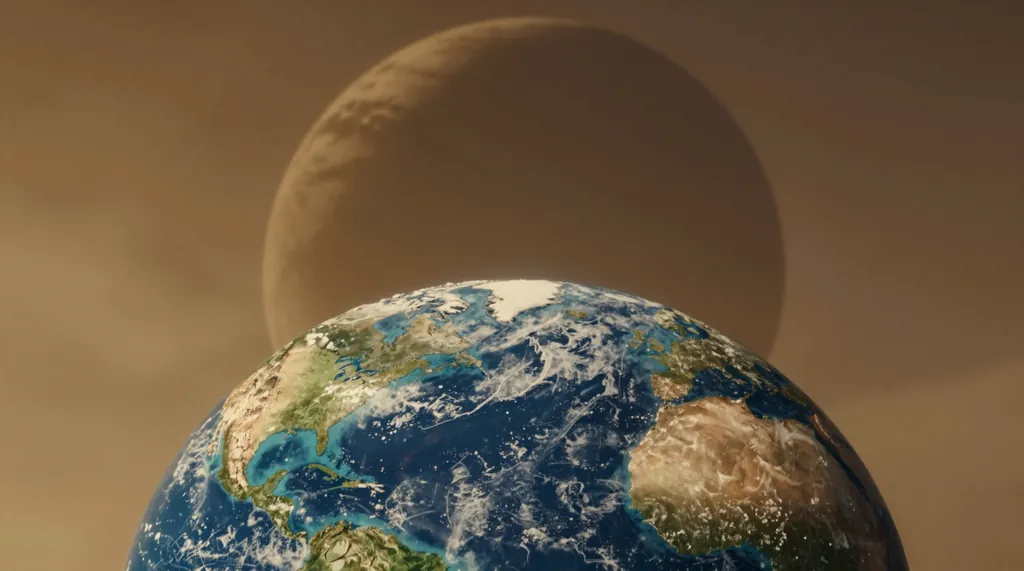
Imagine a young world. A primitive "Earth." Dry. Hot. Sterile. It has the perfect location, but lacks ingredients. It has no water. It has no life. It is an empty house waiting for a tenant.
And then, the Ark arrives.
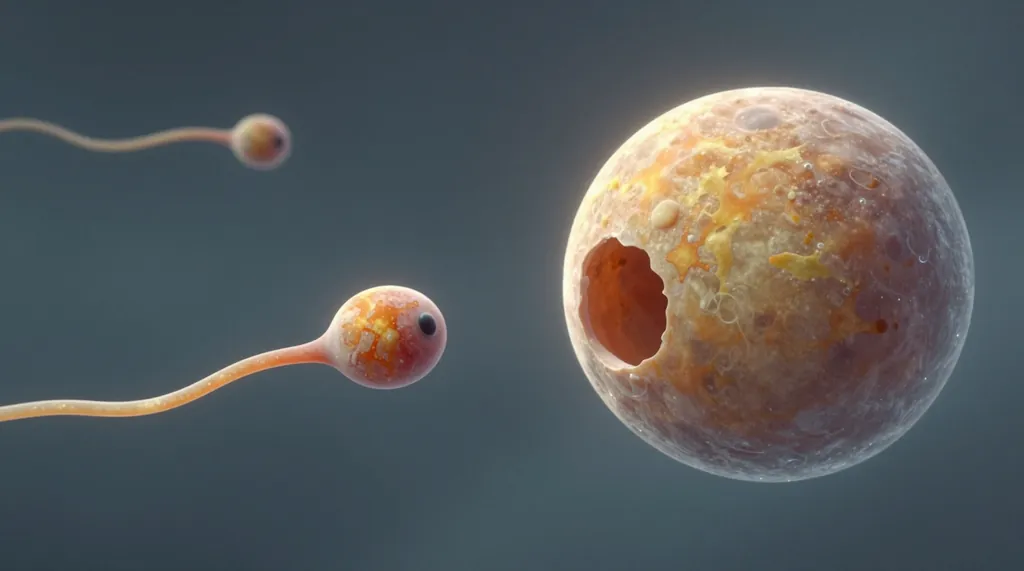
Do not think of this as destruction. Think of it as fertilization of an egg.
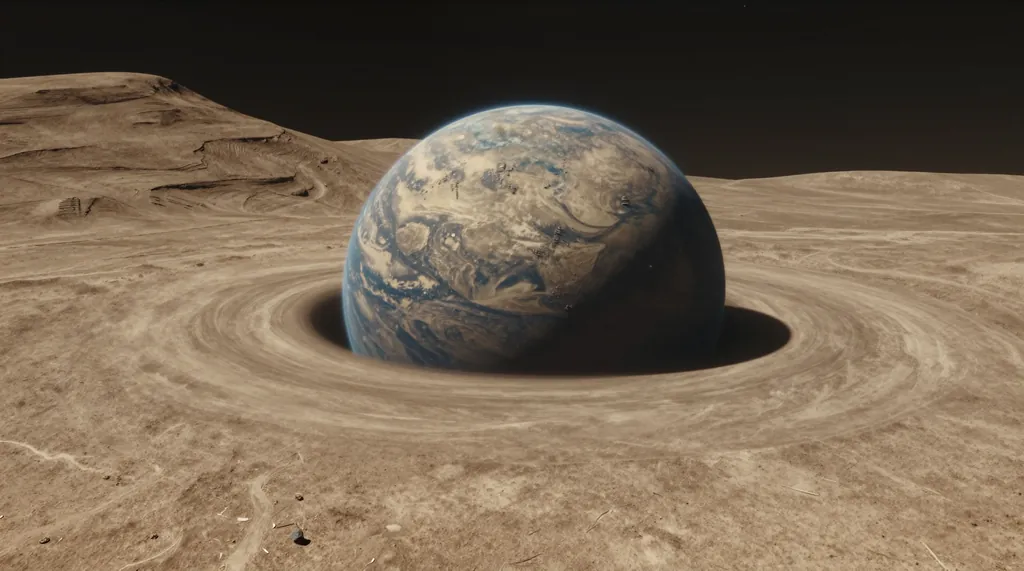
The impact is apocalyptic, yes. Energy released is immense.
But the Ark is made of ice and volatiles.
Upon crashing, it releases entire oceans of water onto the dry world. It releases carbon, nitrogen, oxygen.
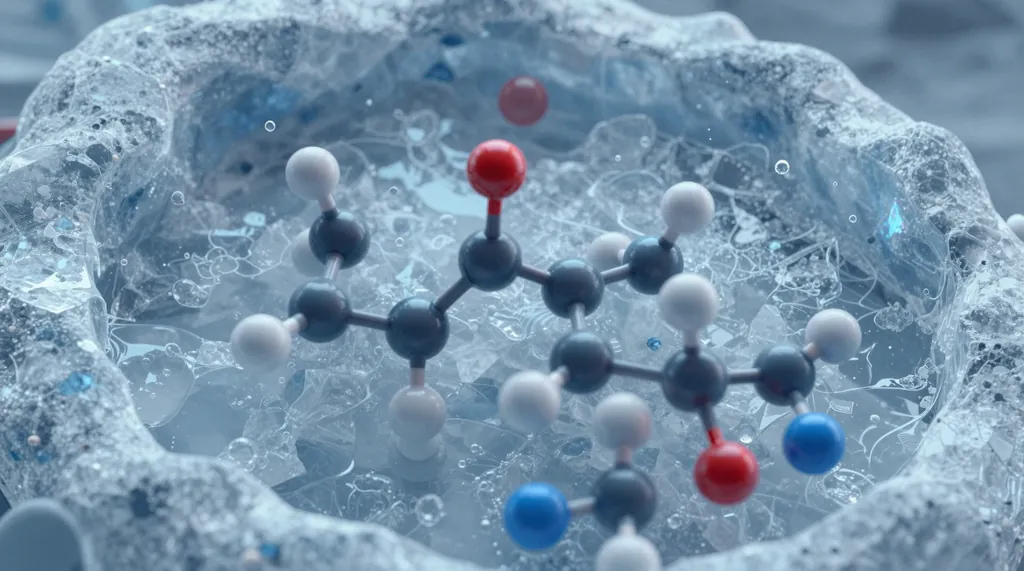
And most importantly... it releases biological cargo.
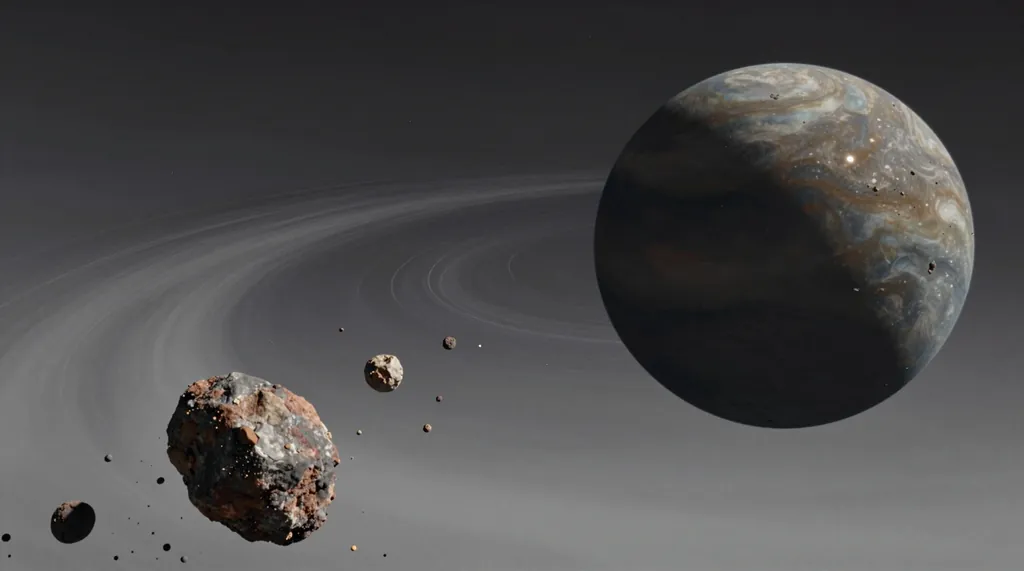
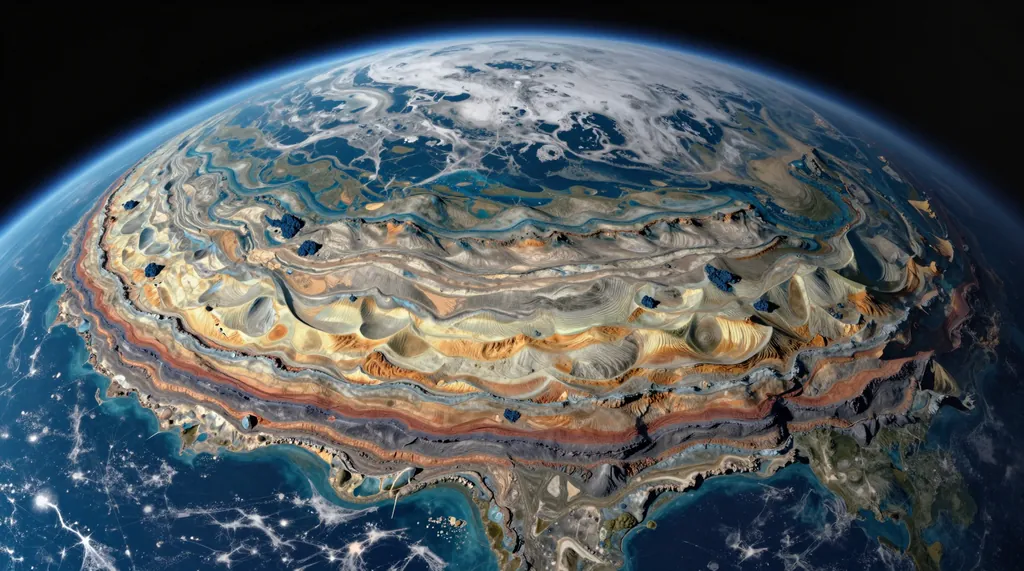
Impact ballistics studies suggest that, although ground zero vaporizes, spallation zones (the rear part of the projectile) can survive at relatively low temperatures.
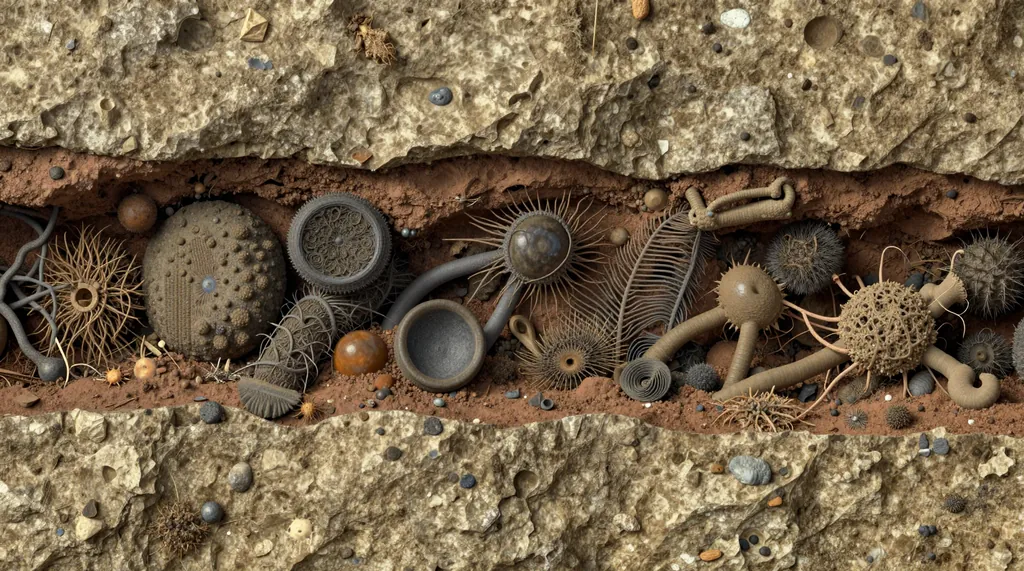
Endolithic bacteria are tough. They can survive acceleration. They can survive crash.
They fall into the new world's hot seas. Seas enriched with Ark chemistry.
They wake up.
They look around. There is light. There is heat. There are nutrients. And there is no competition.
It is a virgin paradise.
Colonization begins.
The rogue planet has died, sacrificing its body to terraform and seed a new world.
The death of one is the life of trillions.
SECTION V: FINAL REFLECTION AND BRIDGE TO SAGA III
Thus concludes the Dark Wanderers Saga.
We started fearing darkness, and ended understanding darkness is life's womb.
Rogue Planets are not sad mistakes. They are the universe's insurance policy.
They are galaxy's blood cells, transporting oxygen of life from one system to another.
They are guarantors biology won't go extinct when a star fails.
They are the universe's insurance policy.
We have seen how life survives in hell. How it resists cold. How it travels through vacuum.
The seed has been delivered. The journey has ended.
The Ark has broken.
But now a different story begins.
The Ark has left its cargo on a virgin world. A blank canvas.
Here, in this new Eden, there is no competition. No established predators. No history.
There is only unlimited potential.
A single species introduced to an empty planet has power to radiate, diversify, fill every possible ecological niche.
What happens when you take a life form—an ant, a fungus, a bird, a human—and give it an entire planet for itself alone?
What monsters and wonders arise when evolution stops being war and becomes free art?
The experiment has begun.
The planet is seeded.
Now, we must watch the garden grow.
Welcome to Saga III: The Seed Archives.
Where a single organism will inherit the earth and write its own history on a world completely its own.
EPILOGUE: THE GARDENER'S VOICE
The universe is an infinite gardener.
And we are its traveling and eternal seed.
We were expelled. We traveled. We crashed. We woke up.
Now we grow in a garden we thought was our home, unknowing that someday, when our sun dies, we will be expelled again.
We will travel again.
And we will seed again.
It is the cosmic cycle. Life is universe's propagation mechanism.
We are cosmos' spores.
We sleep in ice, wake in heat, live under new suns, and when those suns die, we sleep again.
This is true meaning of eternal life.
Not individual immortality. It is persistence of form, pattern, information.
Life is information refusing to die.
And as long as movement exists in universe, as long as pressure and temperature differences exist, life will find a way.
It will find a way through cold.
It will find a way through vacuum.
It will find a way through silence.
And it will bloom.