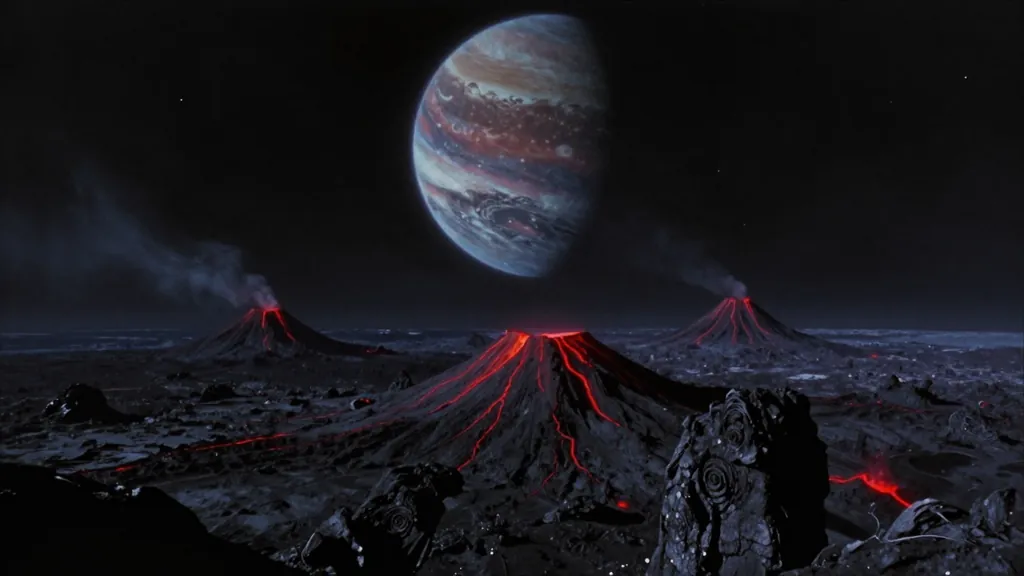
SECTION I: INTRODUCTION – THE GRAVITY ENGINE
In the conventional void of the cosmos, gravity is a force of attraction. It is the silent glue that keeps planets in their orbits and us glued to the ground. We consider it a benevolent constant, an anchor in the darkness.
But we are wrong.
In the darkness of deep space, far from the protective warmth of any star, gravity does not just attract. Gravity heats. Gravity stretches. Gravity tortures.
Welcome to the Tortured Moon.
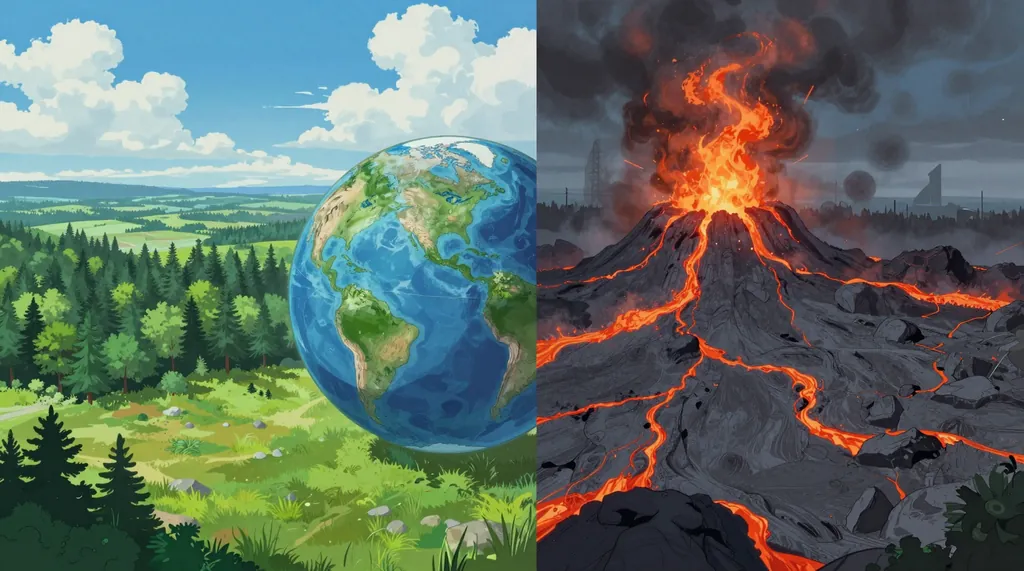
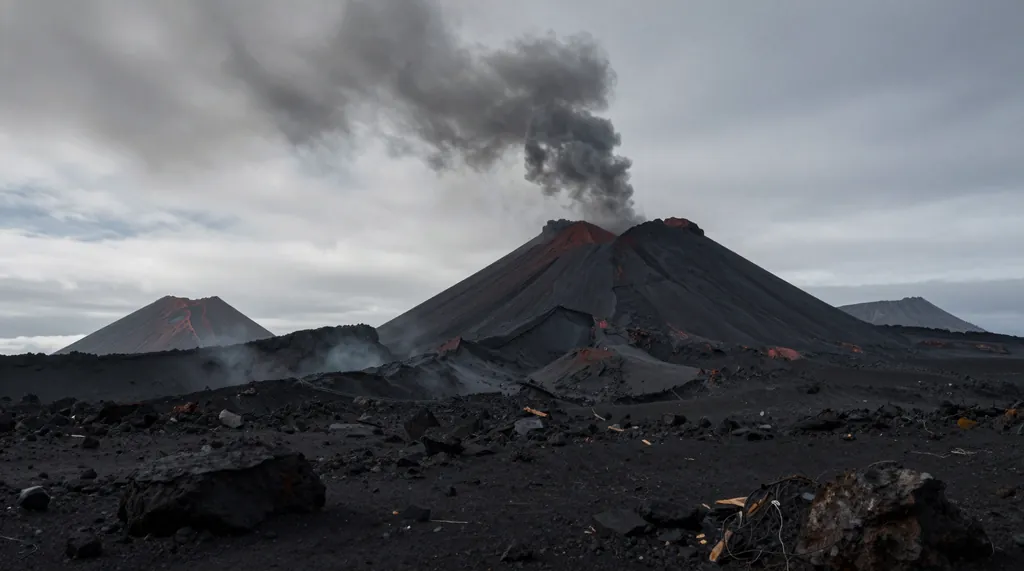
This world should not exist. According to all laws of stellar thermodynamics, it should be a corpse of ice, an inert rock frozen at 270 degrees below zero, lost in the wake of a rogue planet.
And yet, look at it. It bleeds light.
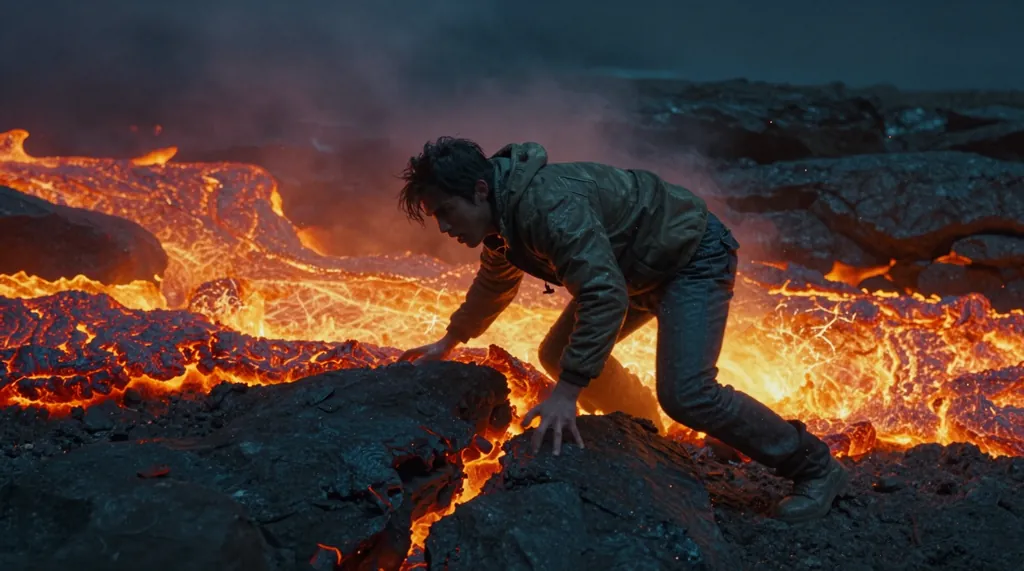
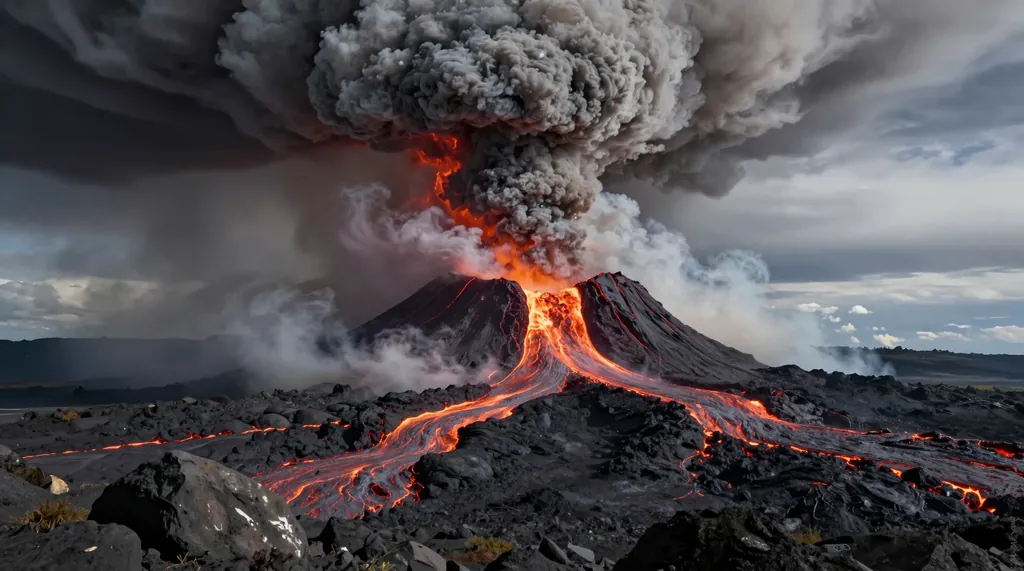
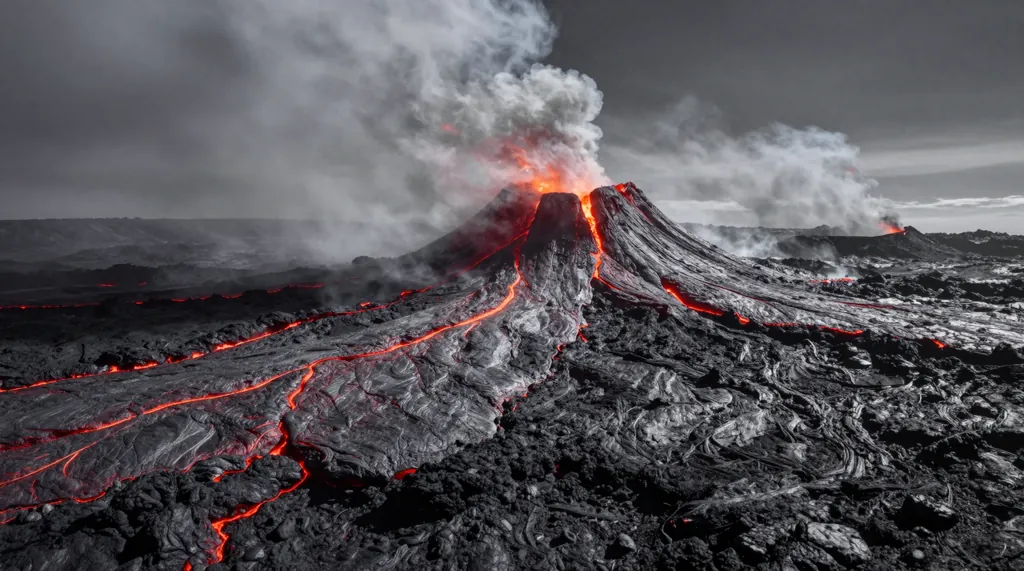
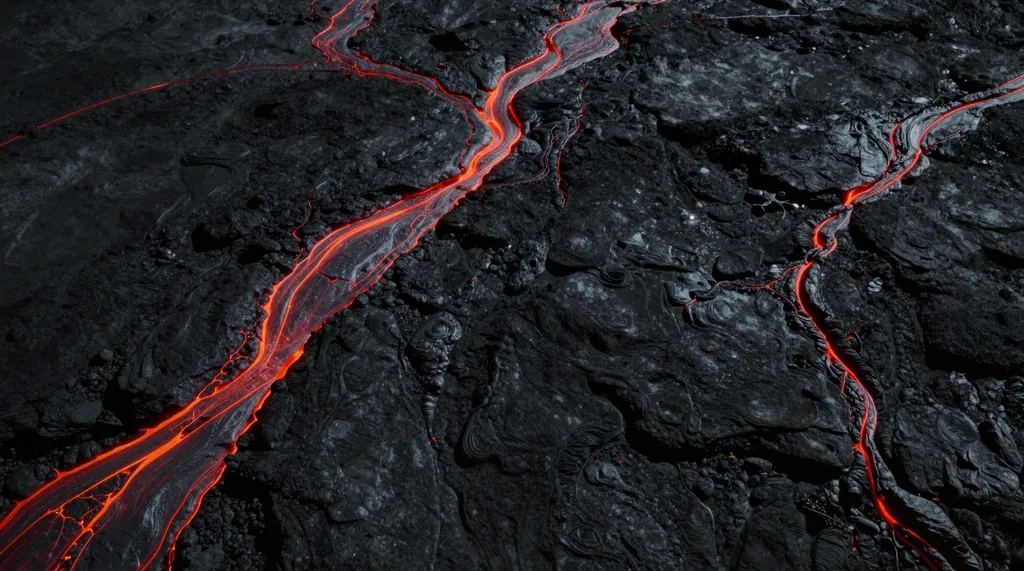
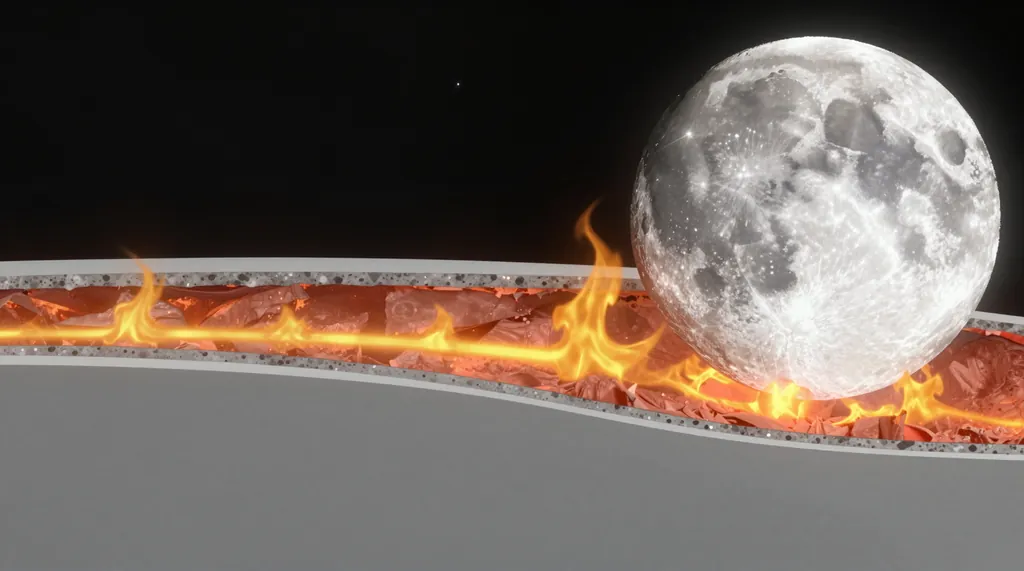
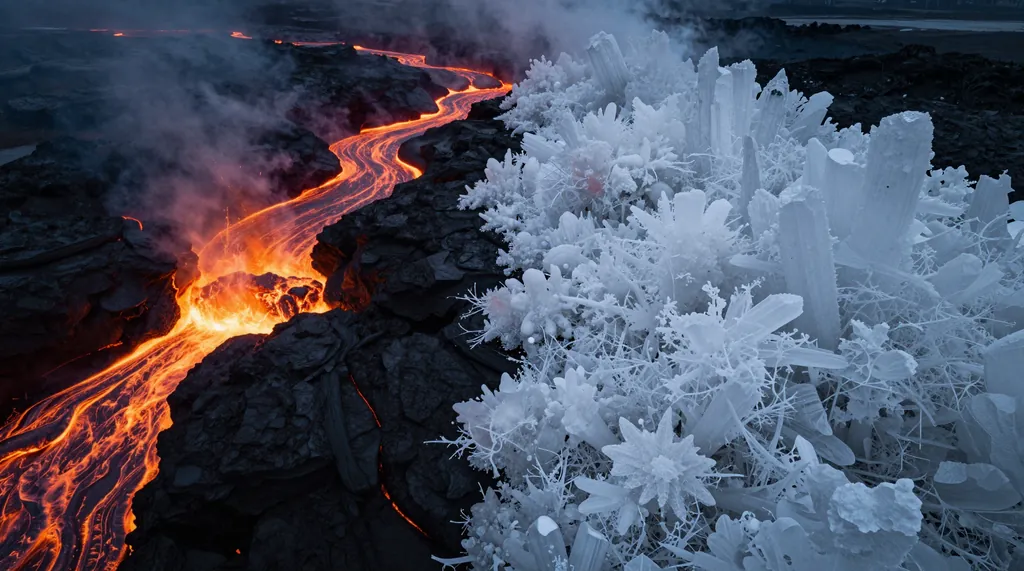
Rivers of molten silicate a thousand kilometers long tear through the eternal night. Volcanoes that would shame Mars' Olympus Mons spew ionized sulfur into the stratosphere.
Where does this energy come from? There is no sun here.
Look up. Look at the darkness hiding the stars.
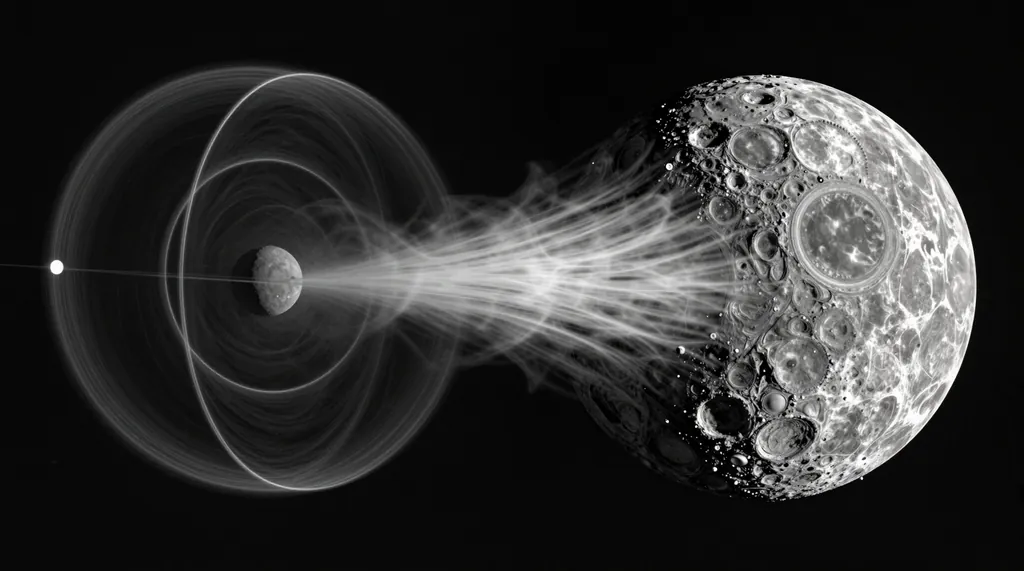
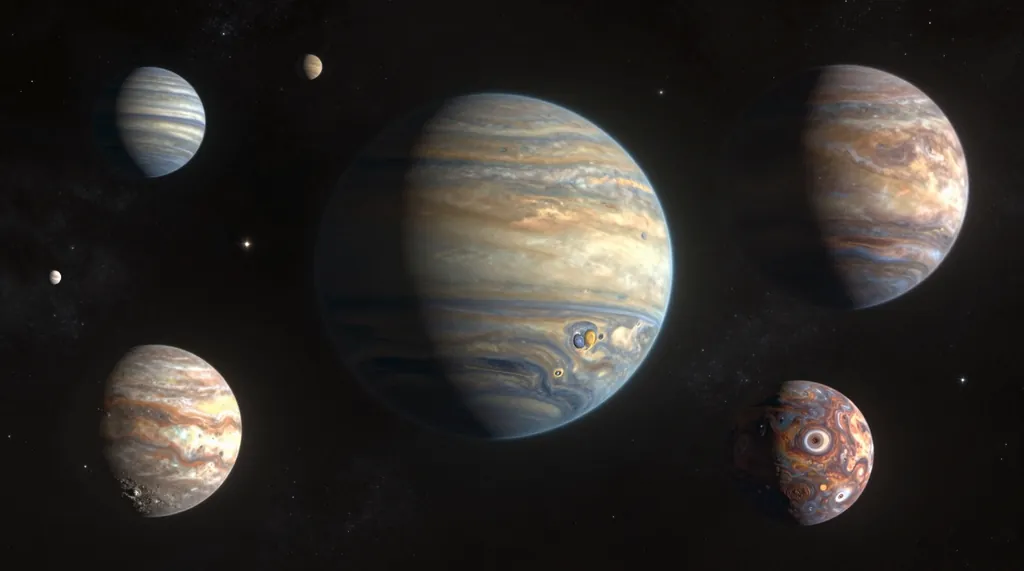
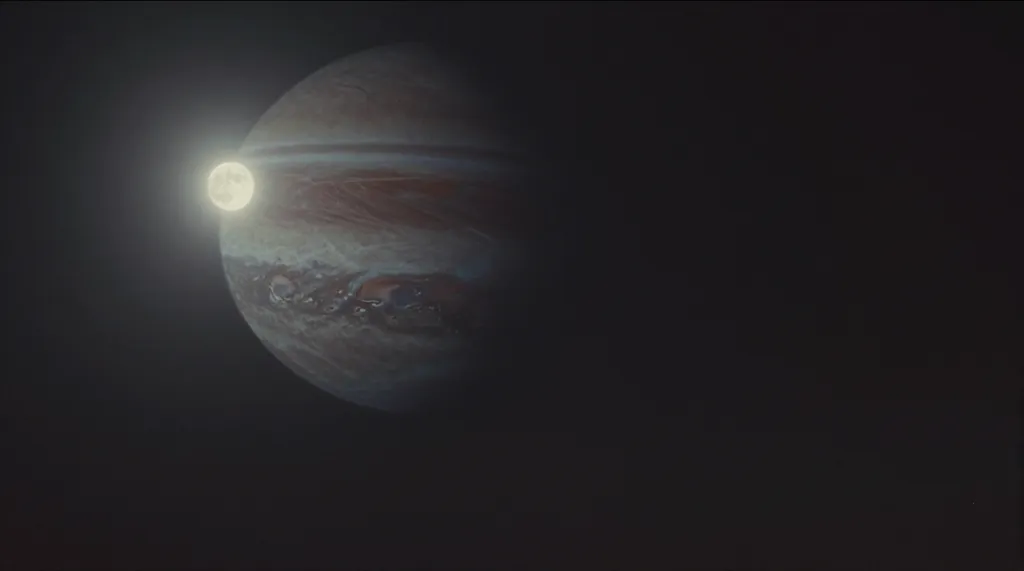
There it is. The Devouring Father. A gas giant expelled from its solar system, wandering blind through the galaxy.
This moon is its prisoner. Orbiting in a tight and brutal ellipse, Ixion-9 is trapped in a dance of destruction.
Every time the moon approaches the giant, immense gravity pulls on it. Stretches it. Transforms the sphere into an ovoid.
Every time it moves away, gravity lets go, and the moon tries to recover its spherical shape.
Imagine a rubber ball in the hand of a furious god, squeezed and released, squeezed and released, once every forty hours. For millions of years.
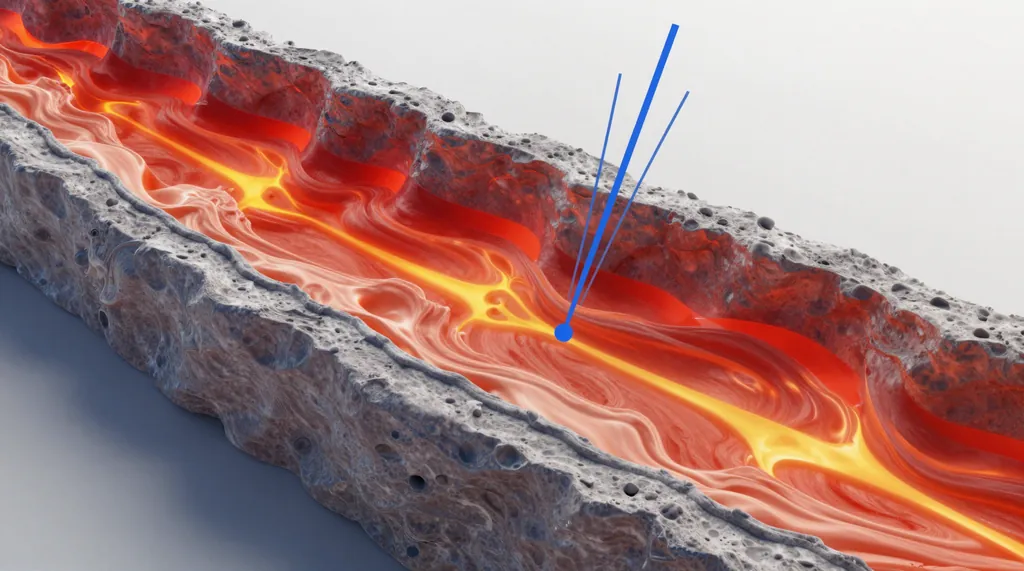
This internal friction, this geological "kneading," generates infernal heat in the core.
It is tidal friction.
Here, life does not seek sunlight. Life seeks the pain of the rock.
Welcome to the most unstable ecosystem in the universe.
SECTION III: BIOLOGY – THE LIVING ACCORDIONS
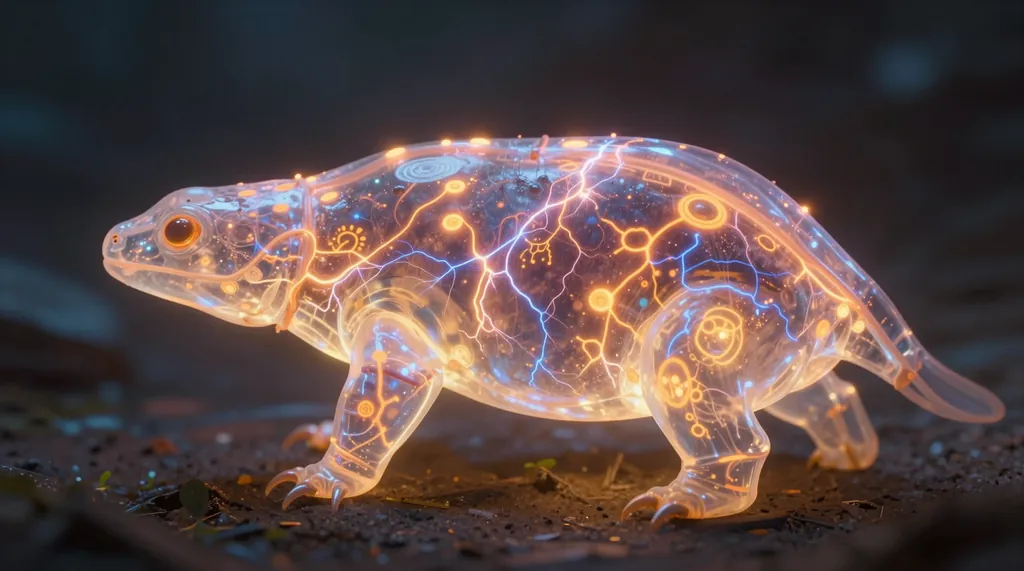
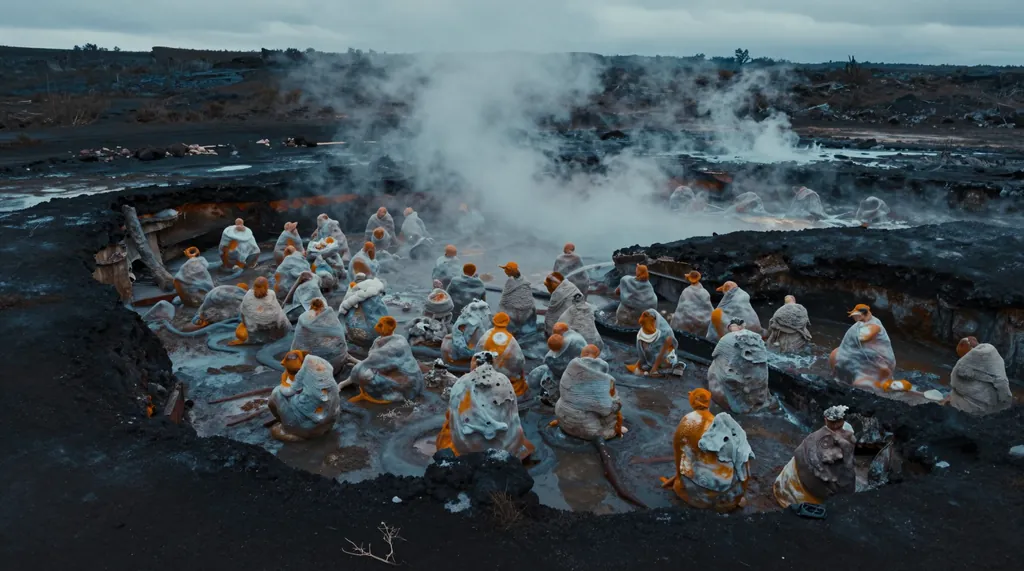
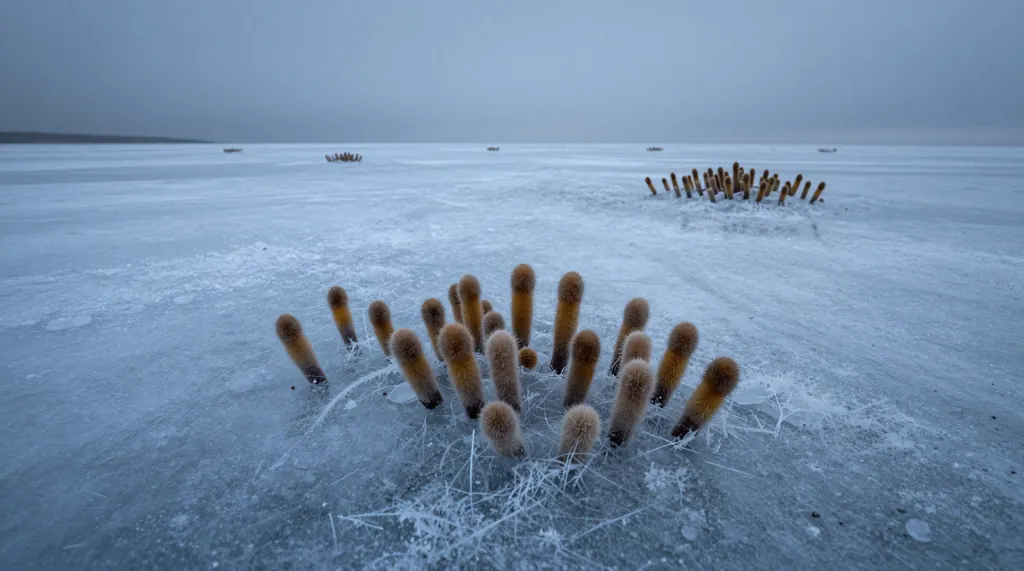
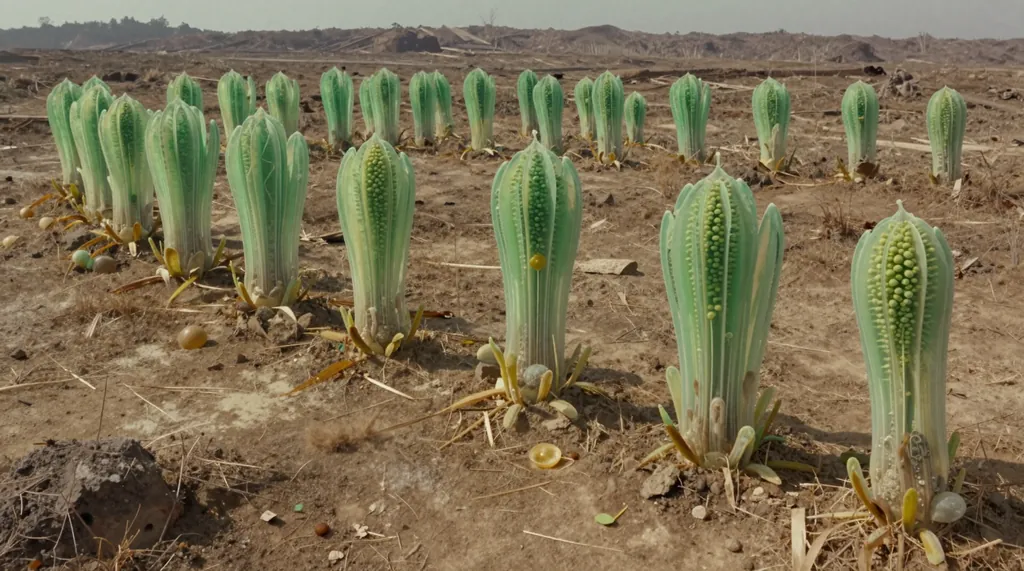
Behold the master of catastrophe. We call it the Modular Thermopod, or colloquially: the "Living Accordion."
Forget vertebrate symmetry. Forget the spine.
This organism has evolved under the selective pressure of constant magnitude 9 earthquakes.
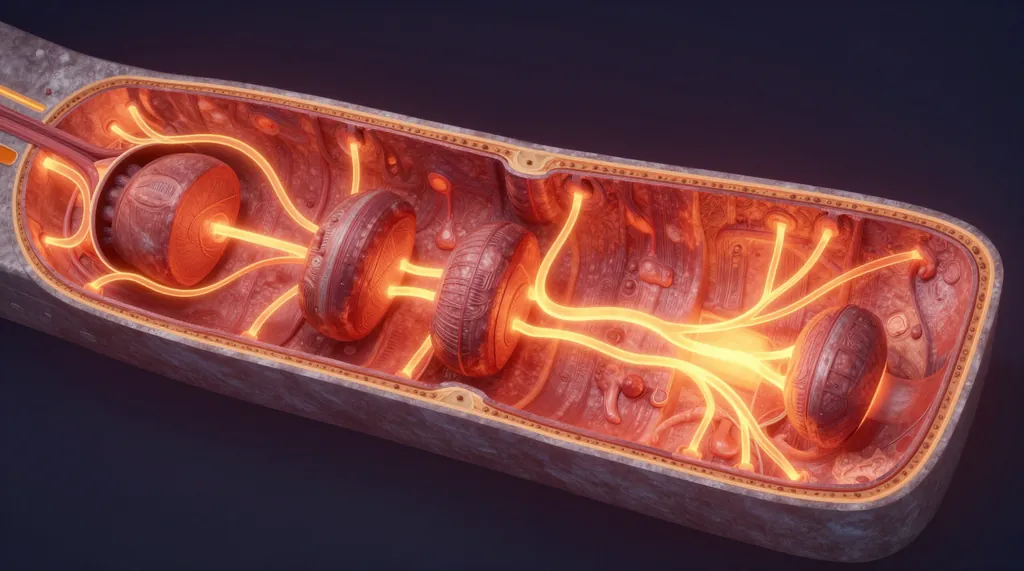
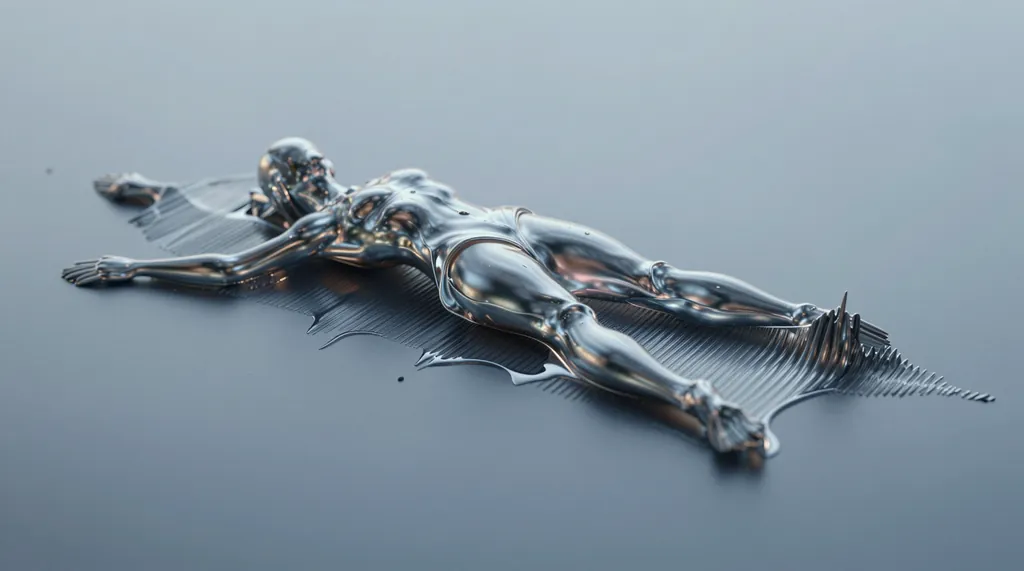
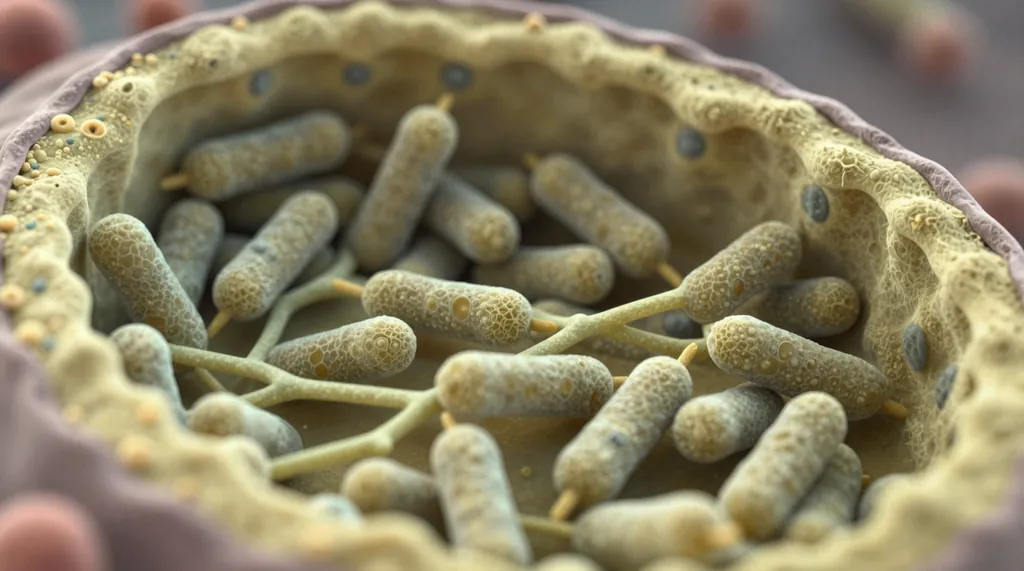
Its body is segmented into twenty or thirty independent units, connected by hyper-elastic muscle tissue capable of stretching up to four times its length without tearing.
When the ground bends, it bends. When the crack opens, it stretches. It does not fight the earthquake; it flows with it.
It is non-Newtonian biology.
They do not eat plants. They do not eat meat.
They are Obligate Thermotrophs.
Observe the feeding. It is a direct "charging" process.
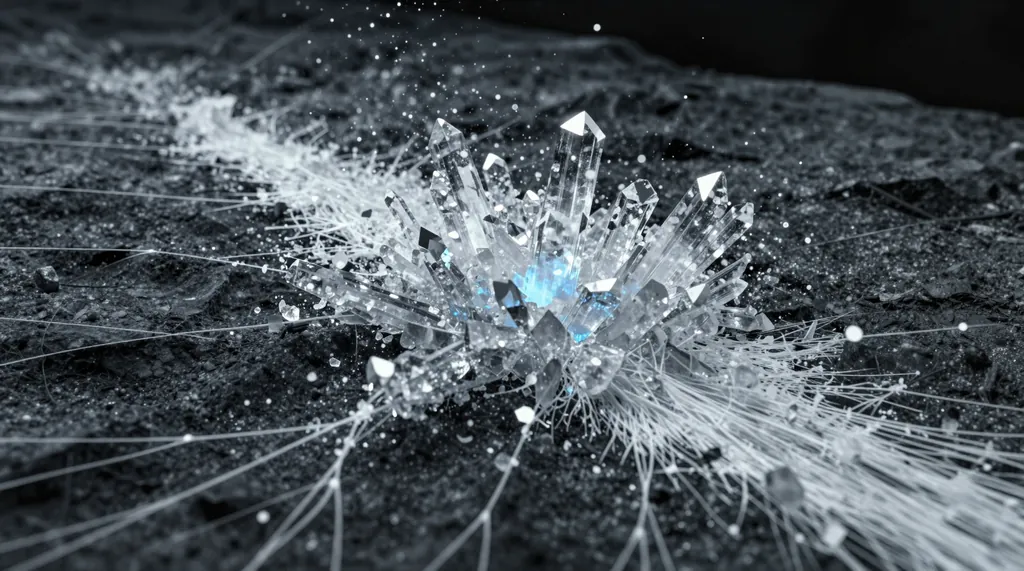
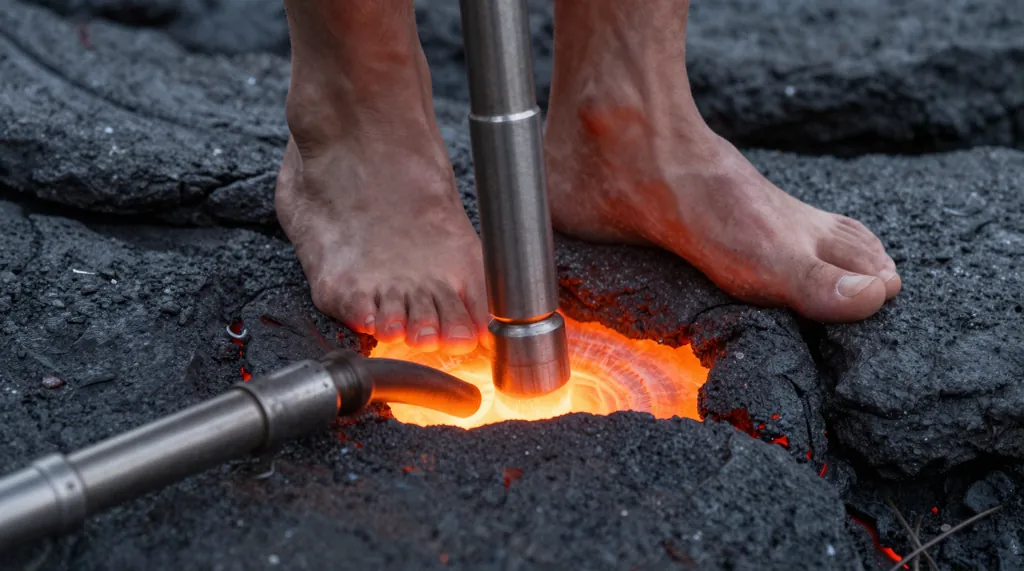
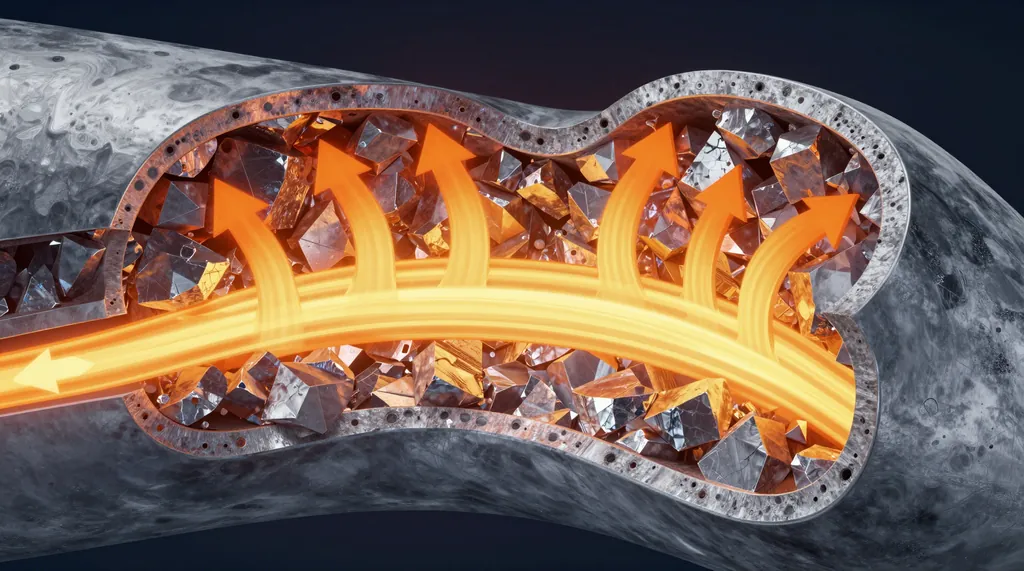
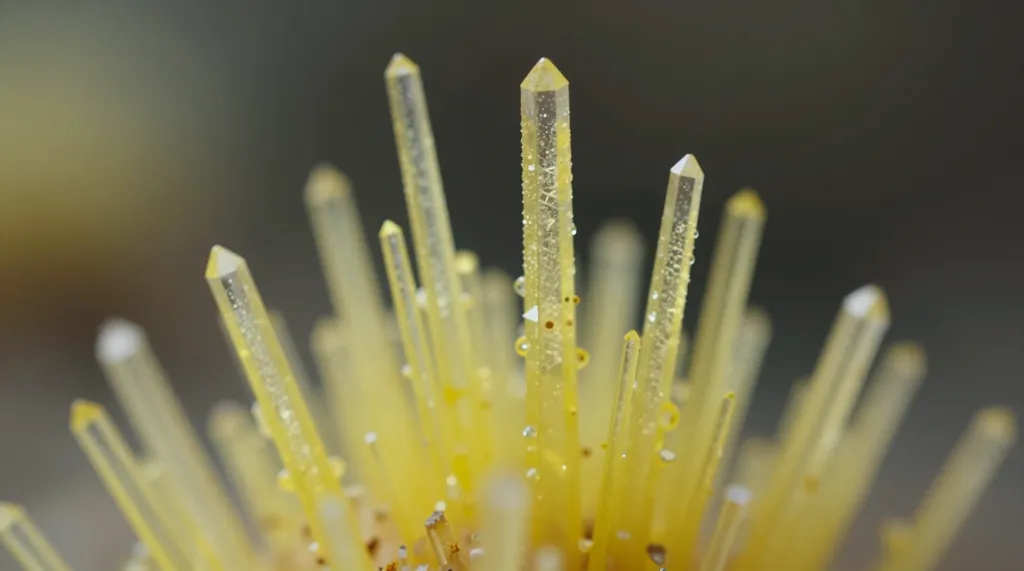
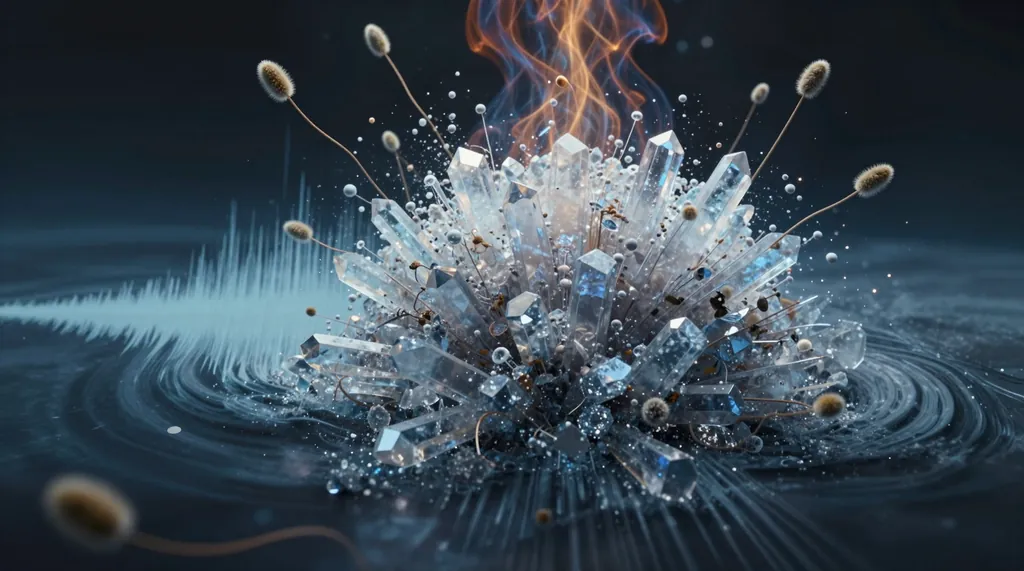
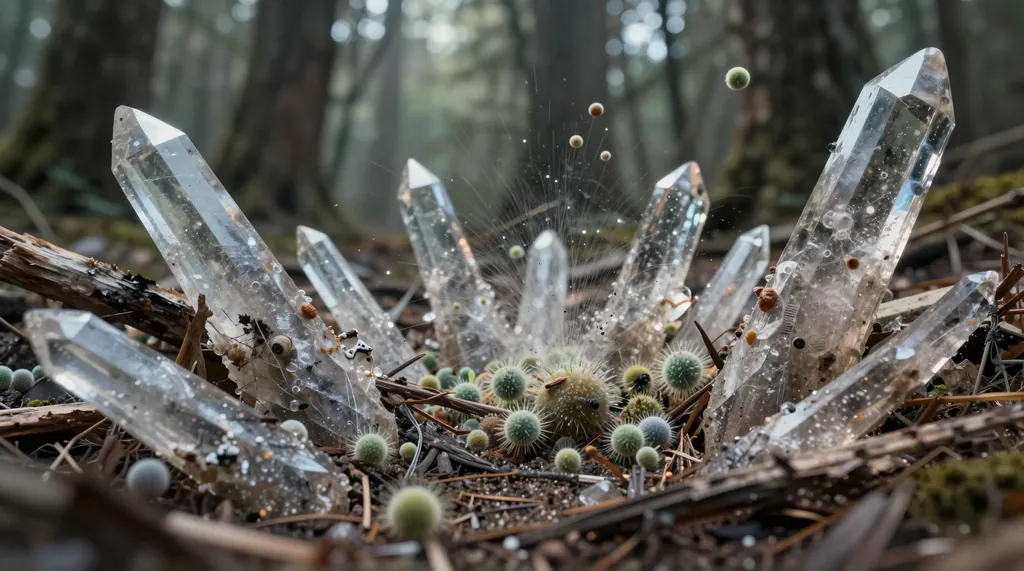
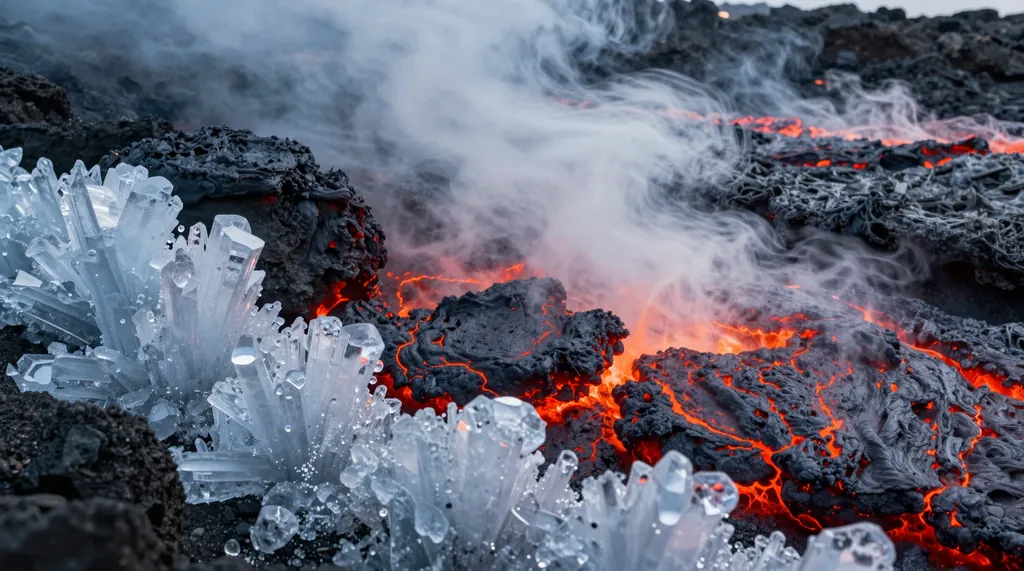
The creature anchors itself to hot rock. Its lower tissues are impregnated with a conductive crystalline lattice—possibly doped with transition metals—functioning as a biological thermoelectric couple.
They exploit the Seebeck Effect.
The extreme heat of the ground at their "feet," contrasted with the brutal cold of space at their "back," generates a current of electrons.
Literally, they are living batteries charging with the temperature difference.
But this feeding is a game of Russian roulette.
If they stay too long, they cook. If they move too far away, their metabolic reactions stop due to the cold.
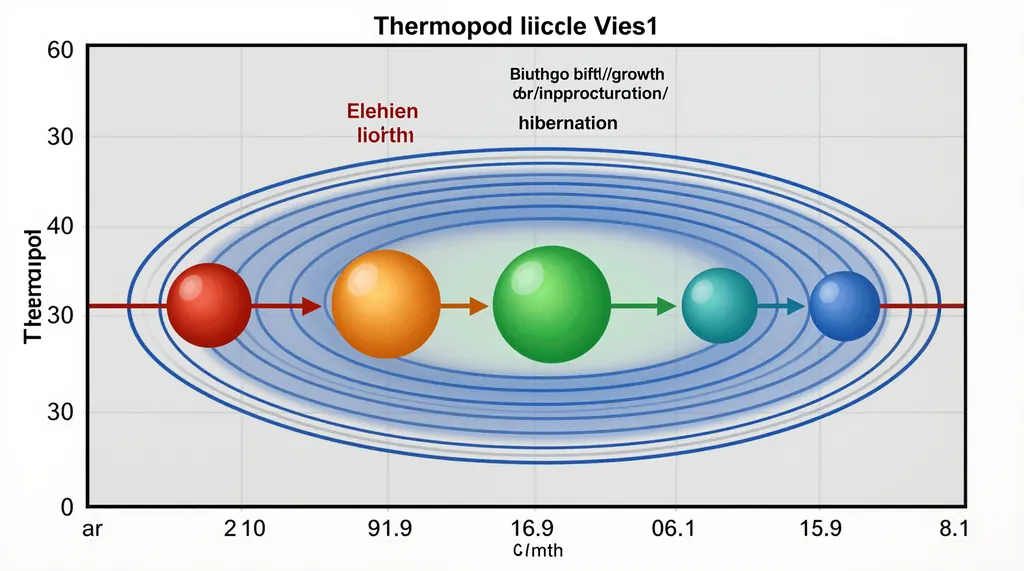
Their life cycle is synchronized with the orbit.
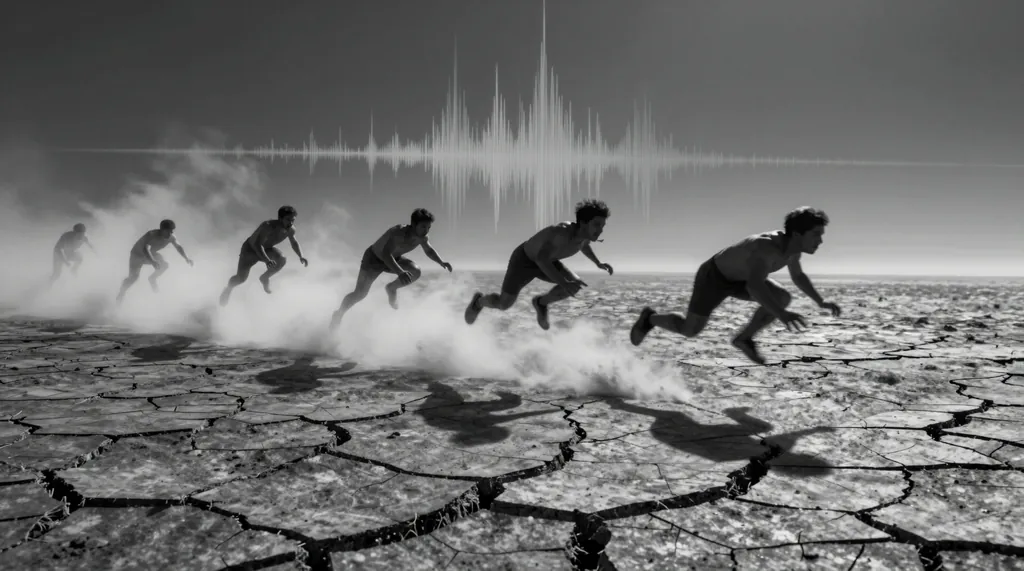
When the moon is at its periapsis—the point closest to the gas giant—gravity is maximum, volcanic activity skyrockets. The Accordions enter a frenzy, feeding, charging energy, glowing with residual heat.
When the moon moves away toward apoapsis, and the crust cools slightly and contracts, they enter a state of lethargy, huddled together in cracks, conserving every joule of heat in a communal hibernation, waiting for the next gravitational pull of the dark god.
SECTION V: ORBITAL CYCLES – PERIAPSIS AND APOAPSIS
Ixion-9's entire ecosystem is an orbital symphony.
Every forty hours, the moon completes its cycle. Periapsis is the moment of maximum tectonic stress. It is when the Accordions wake up. It is when life here enters a kind of feeding frenzy.
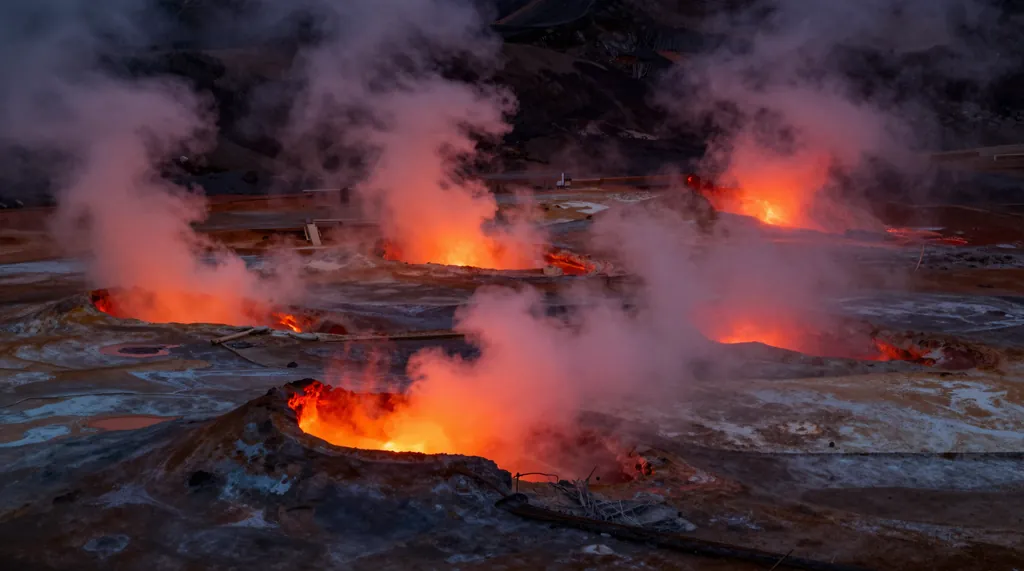
Volcanic vents reach their maximum temperatures. The thermal gradient between ground and space becomes so extreme that even the air seems to vibrate.
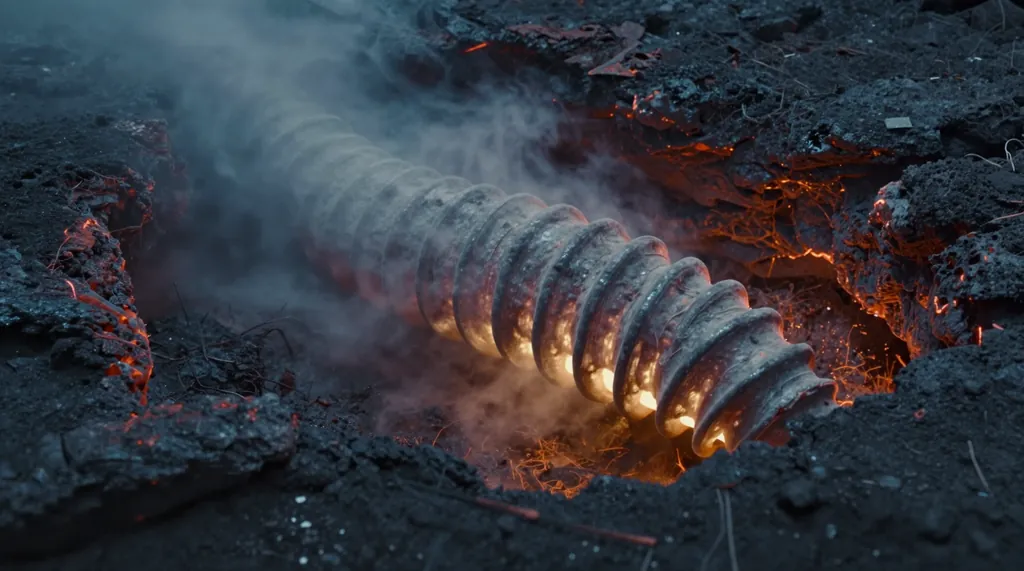
The Accordions launch themselves toward the vents, inserting their metallic filaments into incandescent rock, absorbing megajoules of energy in the form of electric current.
It is a feast. A race against biological time.
Because periapsis does not last long. The moon continues its orbit.
When it reaches apoapsis—the point furthest from the giant—gravitation relaxes slightly. Volcanism decreases. Temperatures drop.
And the Accordions enter lethargy.
They cluster in the deepest cracks, compressing their elastic bodies against one another to conserve heat. It is a communal hibernation, a geological sleep that will last until the orbit returns them to periapsis.
This cycle, repeated every forty hours, for millions of years, has shaped all of Ixion-9's biology.
Reproduction happens at periapsis. Growth occurs at periapsis. Death—when it happens—happens at transition moments, when the Accordion must choose between moving toward heat or moving away toward cold.
It is a life cycle completely synchronized with orbital mechanics, rather than the day-night cycle as on Earth.
SECTION VII: THE EXISTENTIAL PARADOX
We humans fear pressure. Our spaceships, our submarines... are bubbles of low pressure we carry with us so as not to be crushed by the universe.
But the Thermopods of Ixion-9 do not fear pressure. In fact, pressure is their world. It is what sustains them.
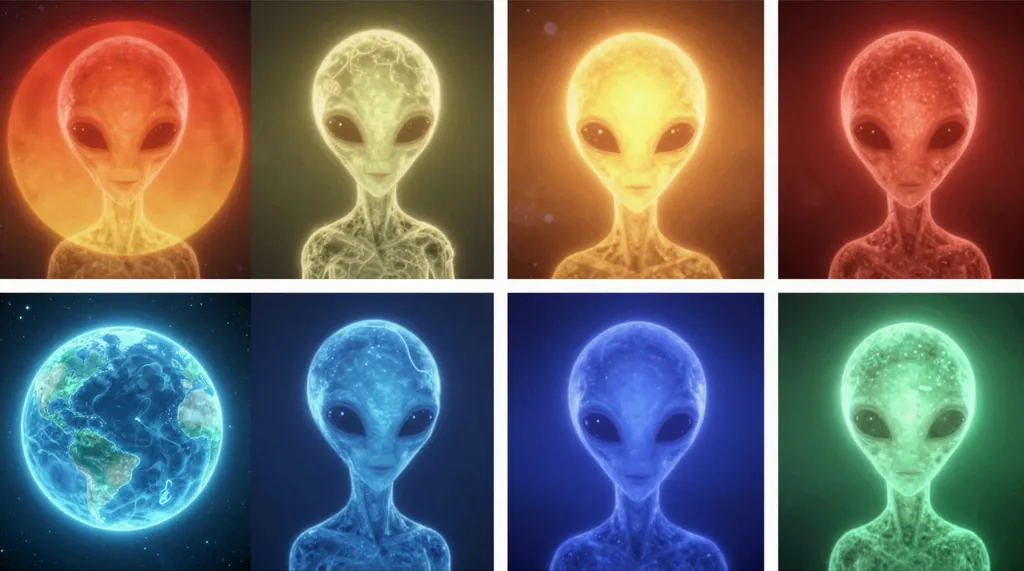
We look at these Magma Walkers and see monsters. We see hell.
But for them, Earth's static cold would be death. Thin air would be asphyxiation. The lack of an extreme thermal gradient would be starvation.
They understand a truth we have forgotten in our climatic comfort:
Stability is an illusion.
Life on this tortured moon is a lesson in pure resilience. They do not need eyes to see the sun, because there is no sun. They do not need ears to hear the wind, because the air is too thin to carry sound.
They only need to feel. To feel the gravitational pulse of the universe through their feet. To know when to hold on and when to let go.
They are the children of pain. And as long as the gas giant keeps pulling, they will keep enduring.
SECTION IX: PATH TO INTELLIGENCE
But evolution has other paths in the darkness.
We have seen how life survives crushing heat and blind gravity. But what happens when life develops intelligence in a world where light has never existed?
Vision is useless in a universe of perpetual darkness and volcanic dust.
To survive the next phase of rogue evolution, we must abandon eyes completely. We must learn to see with echo.
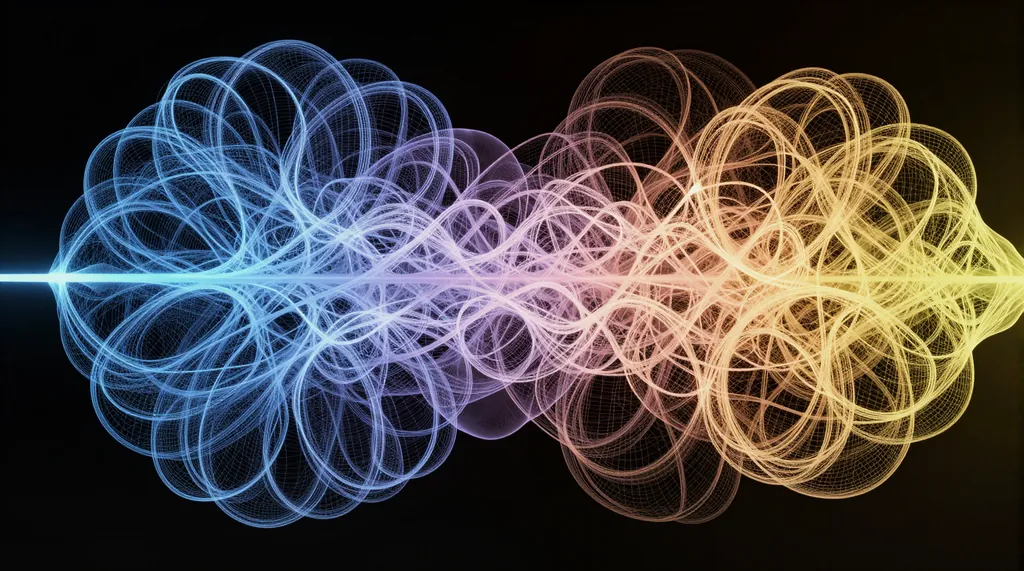
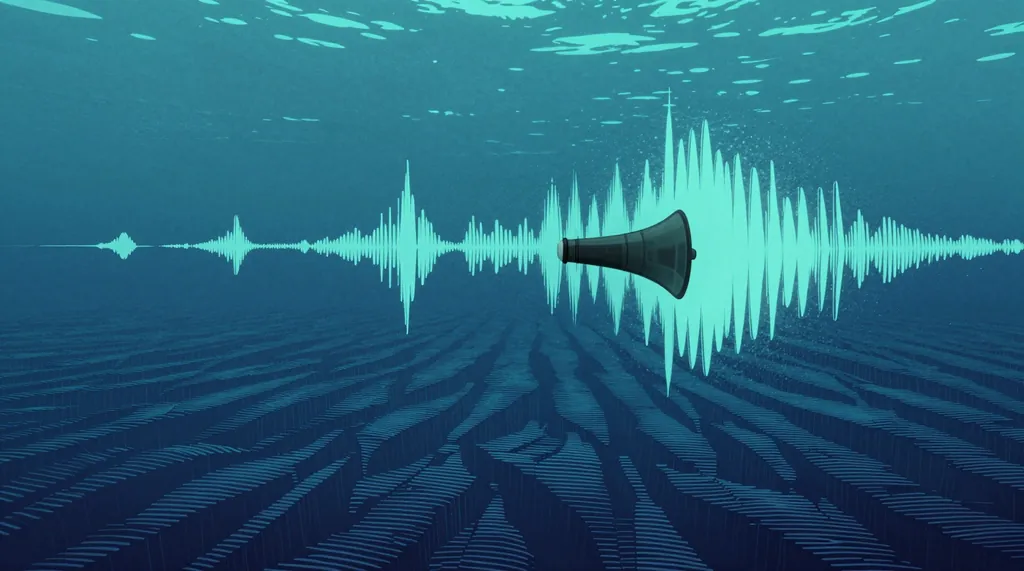
In the next episode, we will dive into a world where sound is light. Where music is architecture.
We will venture into oceans under the ice of other moons, where intelligent entities have built civilizations based on echolocation.
We will discover how cognition can emerge without photons. How intelligence can flourish in absolute darkness.
Join us to discover the Echolocation Civilizations.
SECTION X: FINAL REFLECTION
When we look at the stars, we look for something we recognize. We look for second Earths. We look for water, atmospheres, "appropriate" conditions.
But the universe is not waiting for us to discover replicas of Earth.
The universe is full of impossible worlds. Worlds where rock bleeds fire. Where life dances with destruction.
Where gravity is food. Where pain is existence.
These worlds are there, waiting. Not to be conquered, but to be understood.
Because when we understand life on a world like Ixion-9, we understand something fundamental about life itself.
We understand that life is not fragile. It is adaptable. It is stubborn. It is unstoppable.
Life is everywhere. You just need the right gradient.