The Crystal Womb: The Impossibility of Silicon Life
Life is, in essence, a statistical error. A thermodynamic anomaly clinging to order in a universe that runs, screaming, toward chaos.
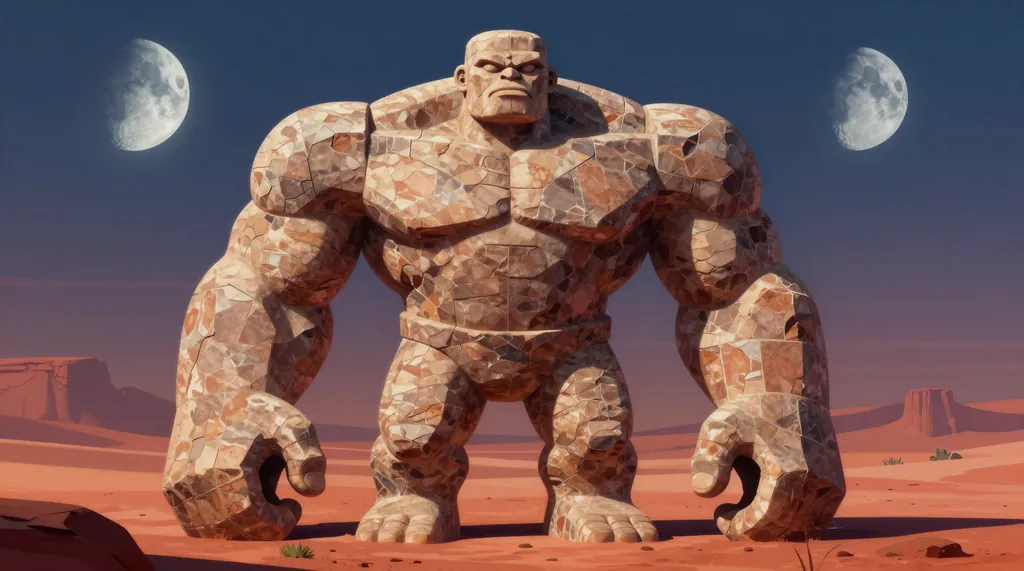
For decades, our imagination has been lazy. When science fiction writers dreamed of silicon-based life, they gave us "Rock Men": clumsy granite giants walking across arid planets, speaking with deep voices and moving with the slowness of tectonic plates. They lied to us. Or worse... they underestimated the universe.
Look at silicon dioxide. Here on Earth, we call it quartz, sand, or glass. It is the corpse of silicon in an oxidizing world. At our temperatures, silicon is not life; it is a coffin.
The fundamental problem with "rock life" isn't fantasy, it's basic chemistry. For life to exist, it needs dynamism. It needs to constantly break bonds and form new ones to metabolize energy. Carbon, our atomic father, is promiscuous; it dances with other atoms with astonishing ease, forming complex chains, folding into proteins, breaking apart to release heat.
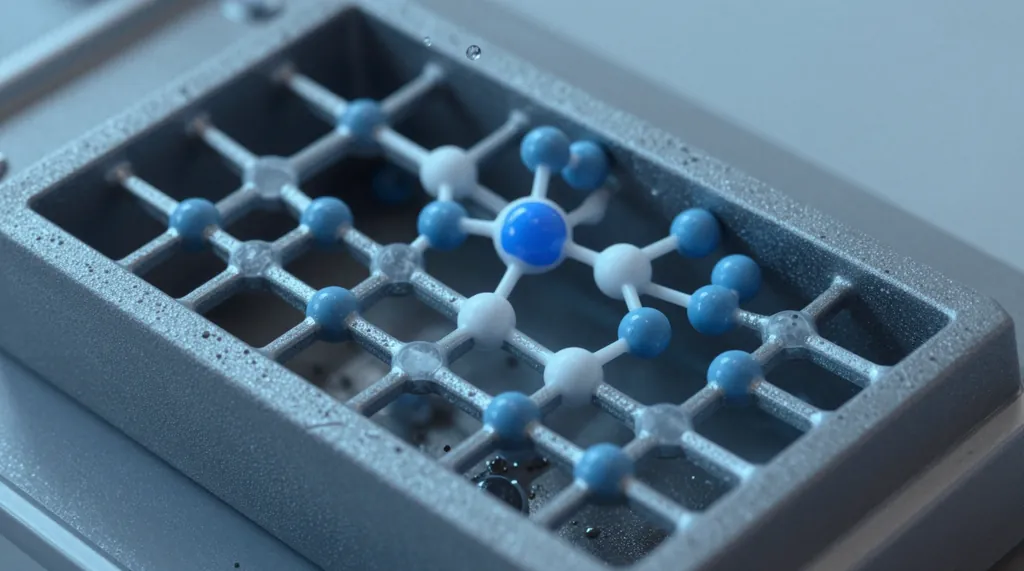
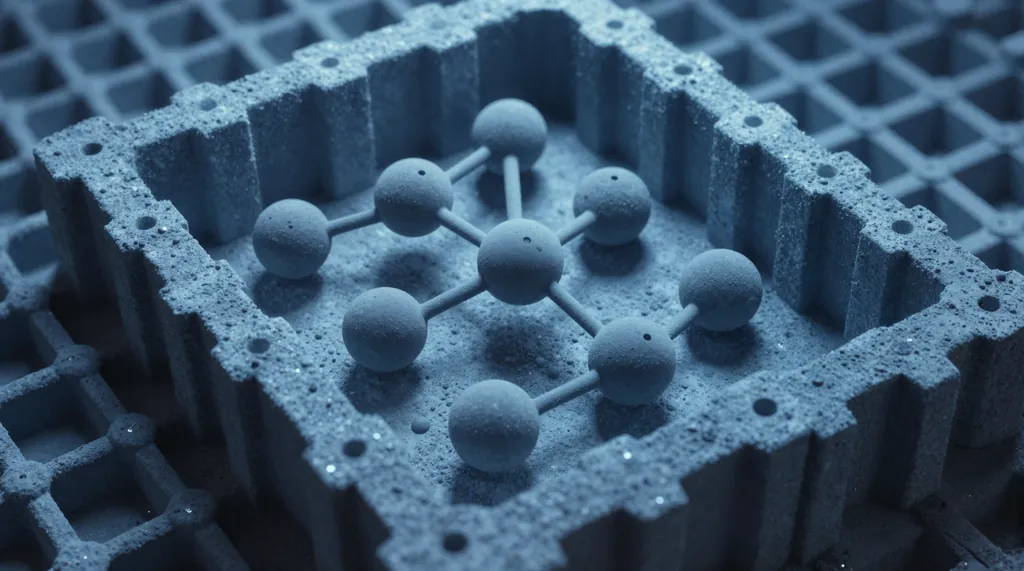
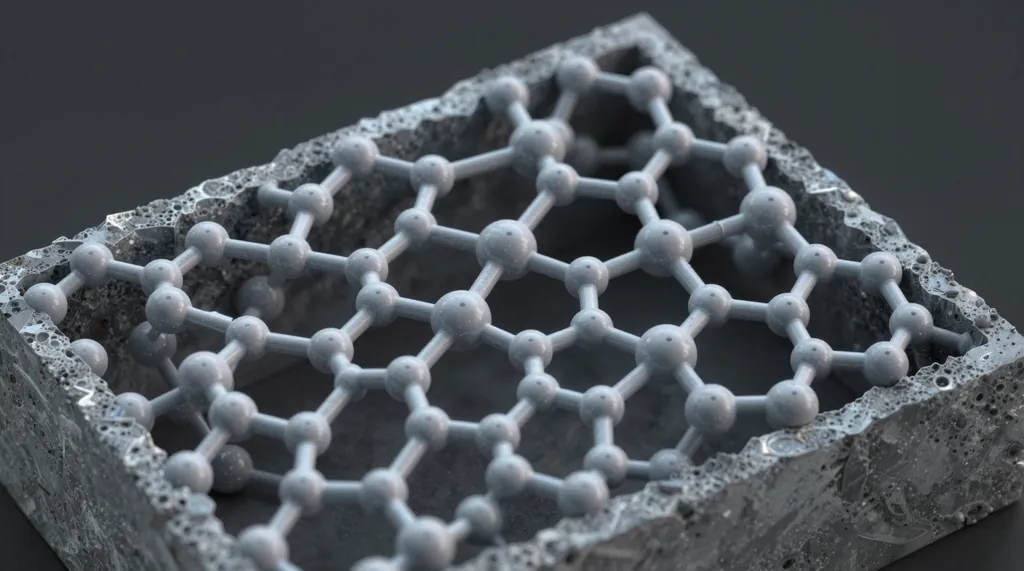
Silicon, its older brother on the periodic table, is a stoic. Its bonds are stubborn. When silicon bonds with oxygen in a temperate world like Earth, it forms a solid, crystalline, immovable lattice. A statue cannot have a metabolism. A rock cannot think. That is why the search for silicon life on Earth-like planets is a waste of time. If you look for a mirror of ourselves, you will only find sand.
But life does not require carbon. Life requires complexity. And silicon can be complex... it just needs motivation. It needs torture.
The Thermodynamic Crucible
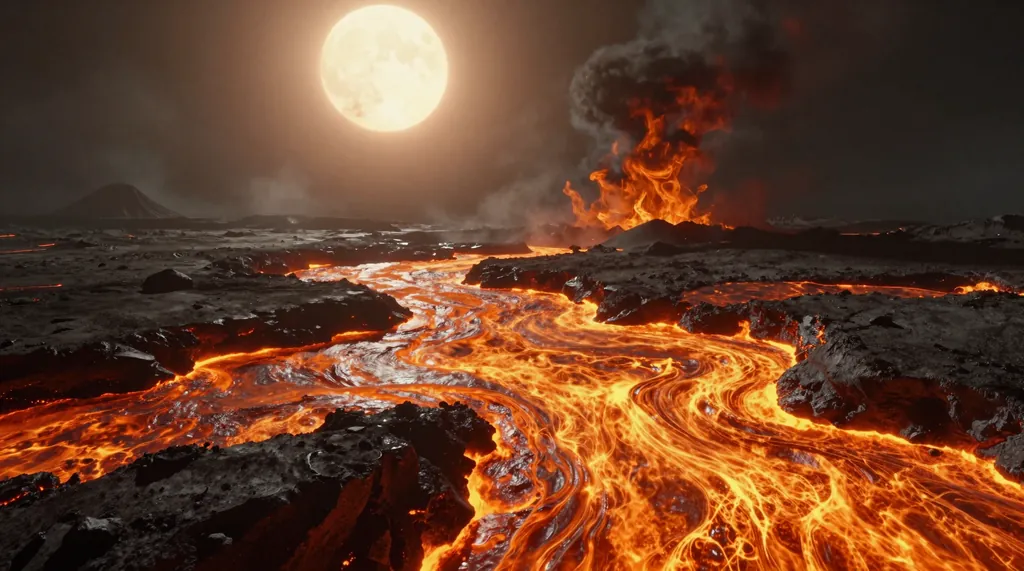
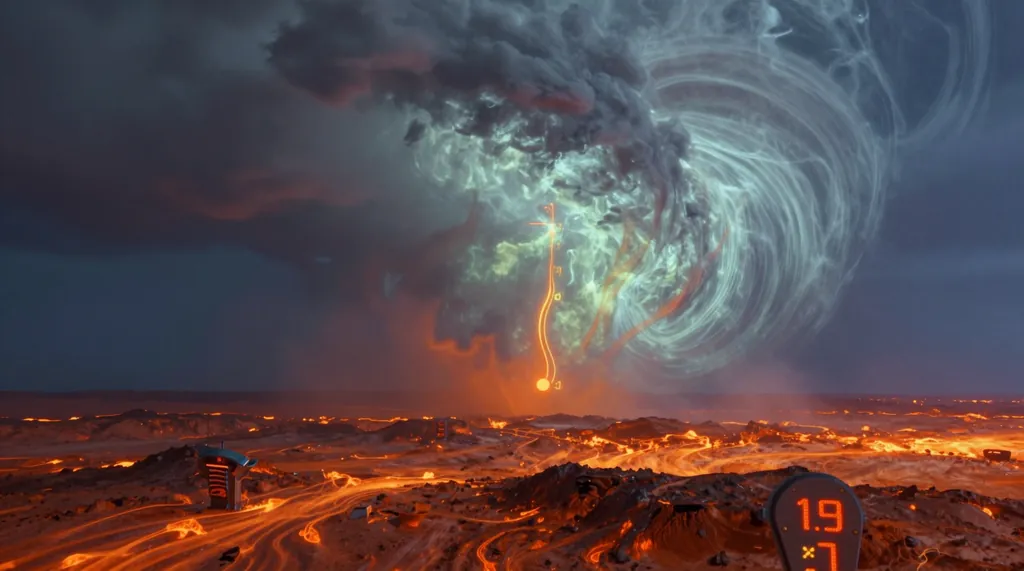
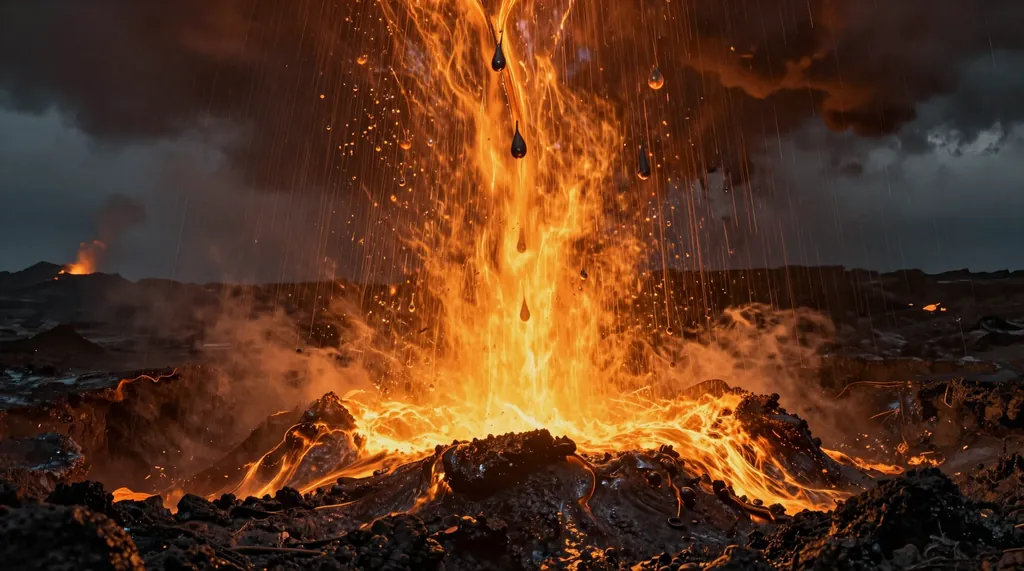
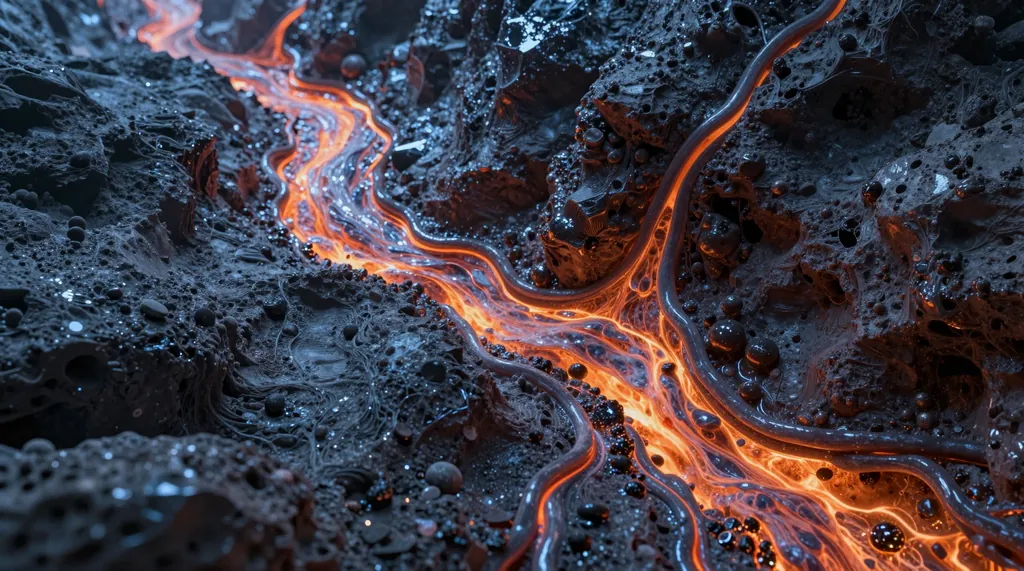
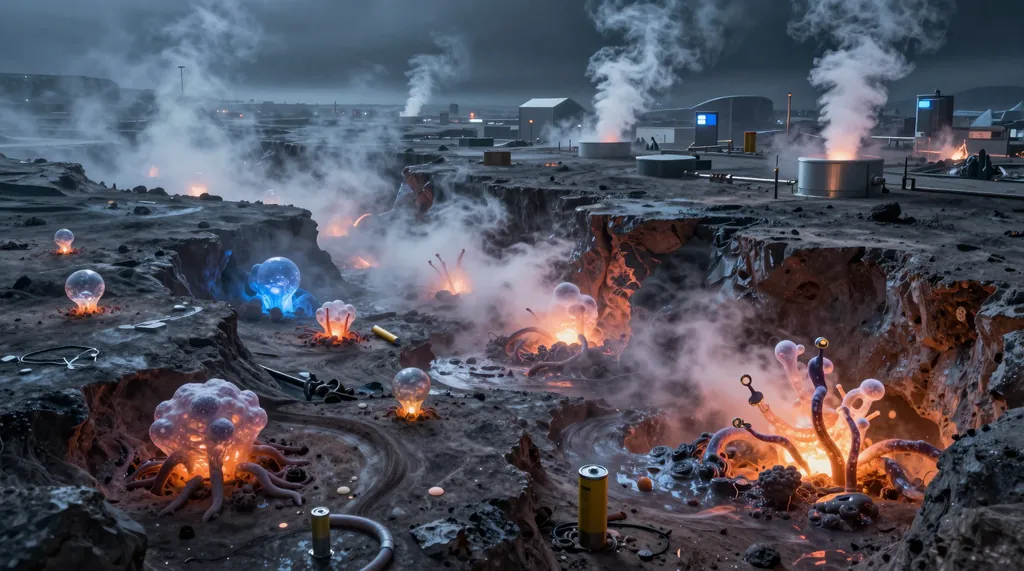
To wake silicon from its geological slumber, we must leave the "Goldilocks Zone." We must go to a place where water doesn't just boil; it ceases to exist as a concept. Welcome to the Furnace World.
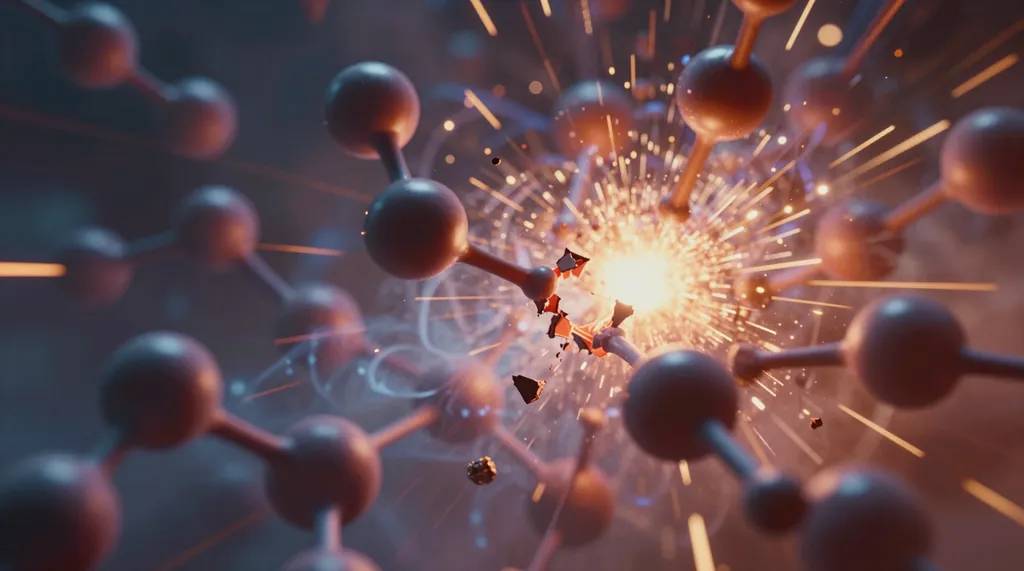
Here, the average temperature is 800 degrees Celsius and the atmospheric pressure is ninety times that of Earth. In this hell, the rules of the game change. The weakness of Silicon-Silicon bonds, which makes them unstable compared to carbon at room temperature, becomes irrelevant in the face of the brutal kinetic energy of the environment.
At these temperatures, carbon biology is instantly incinerated. Our proteins denature, our water evaporates, our DNA turns to smoke. We are fragile. But silicon begins to wake up.
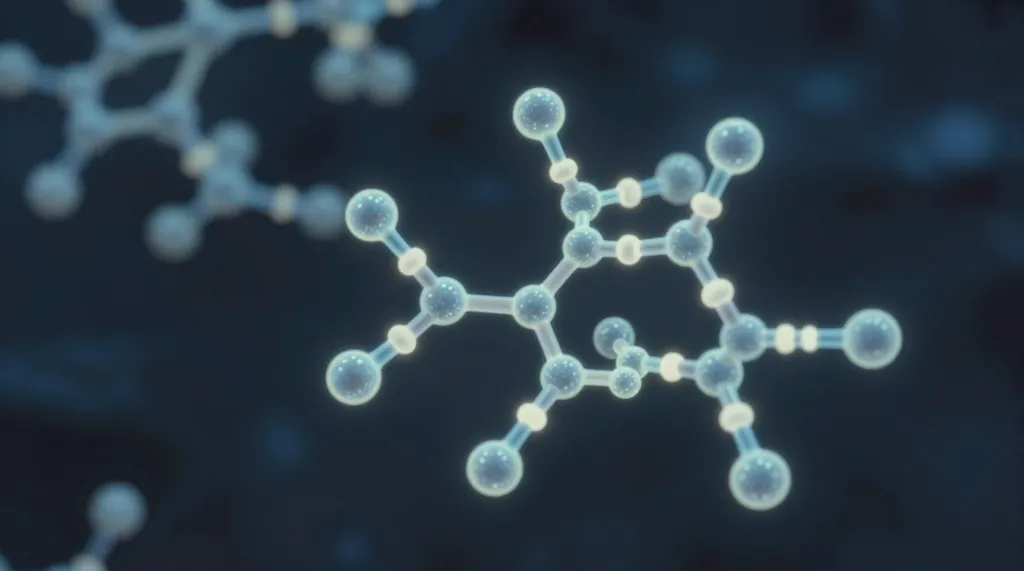
Silicon polymers, long chains alternating with oxygen or nitrogen, remain stable where we would turn to ash. In this crucible, chemical reactivity accelerates. What would take a million years to react geologically on Earth happens here in biological milliseconds.
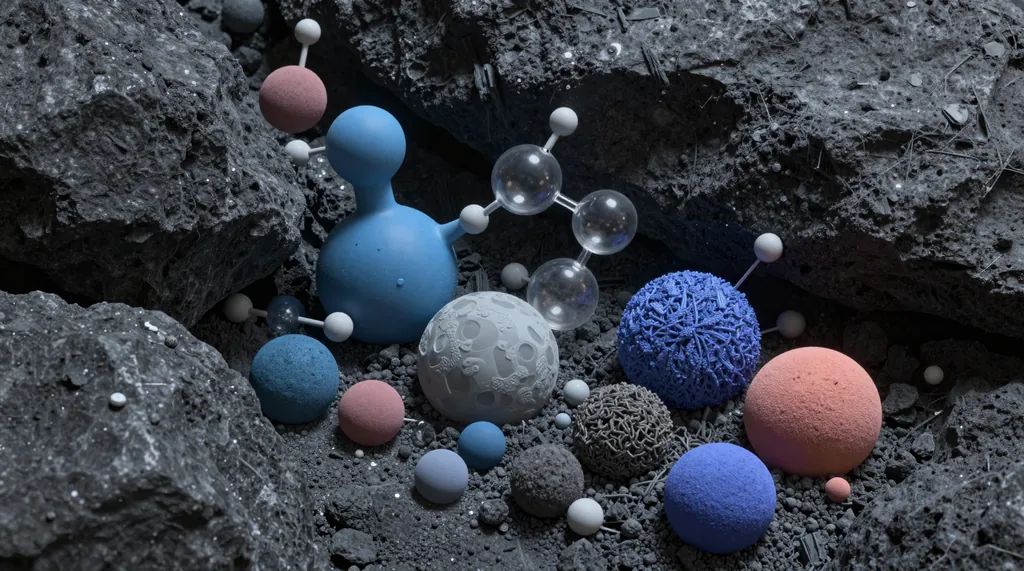
And let's not forget the solvent. Life needs a liquid to transport nutrients. Water is the enemy of silicon; it attacks it, hydrolyzes it, turns it into stone. But in this world, it rains liquid lead or, in the higher regions, concentrated sulfuric acid. In this environment, silicon can form "Silanes"—analogous to our hydrocarbons—and complex "Silicones." Here, the rock is not solid. The rock is the medium. The rock is the blood.
Anatomy of the Impossible
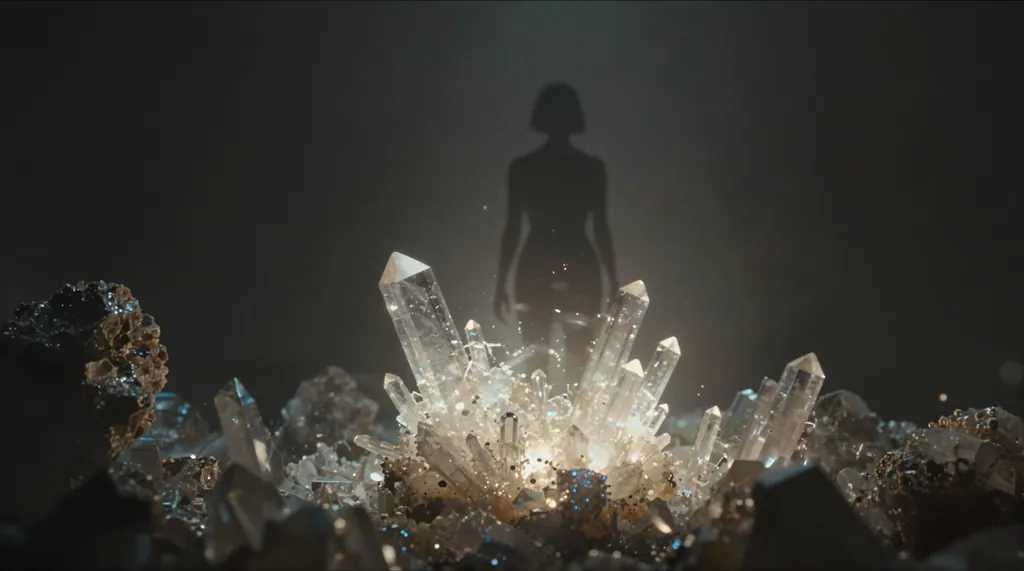
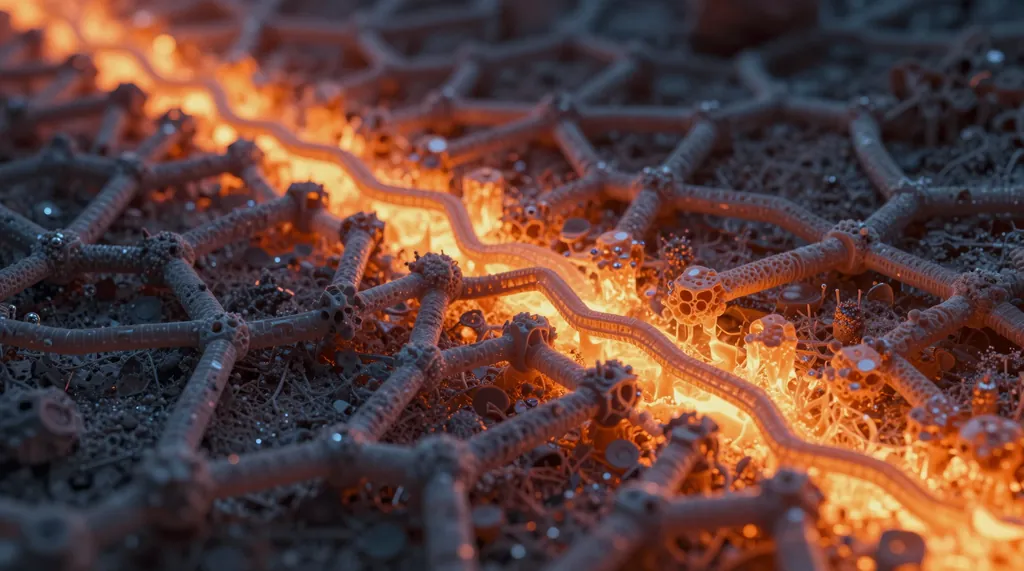
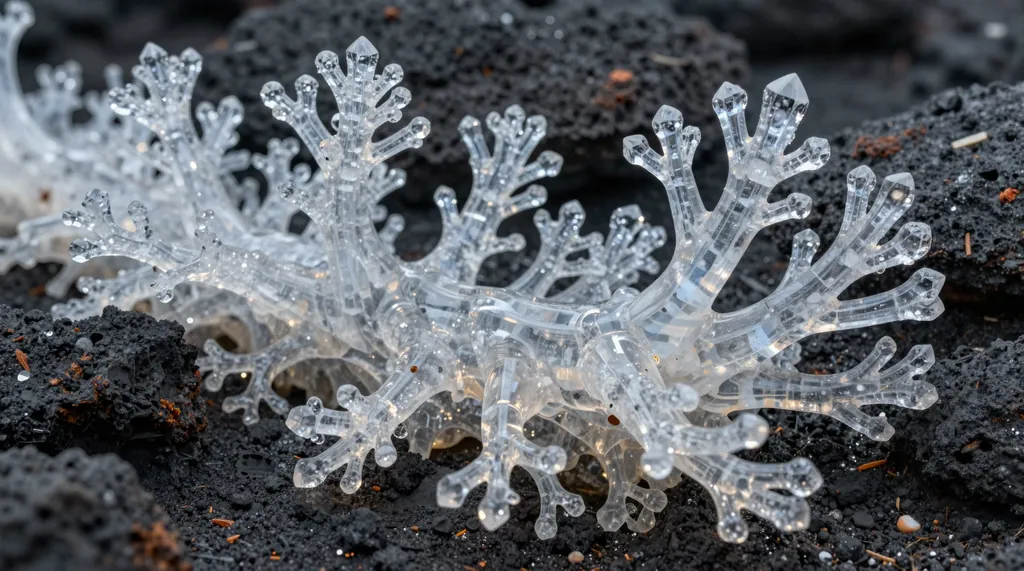
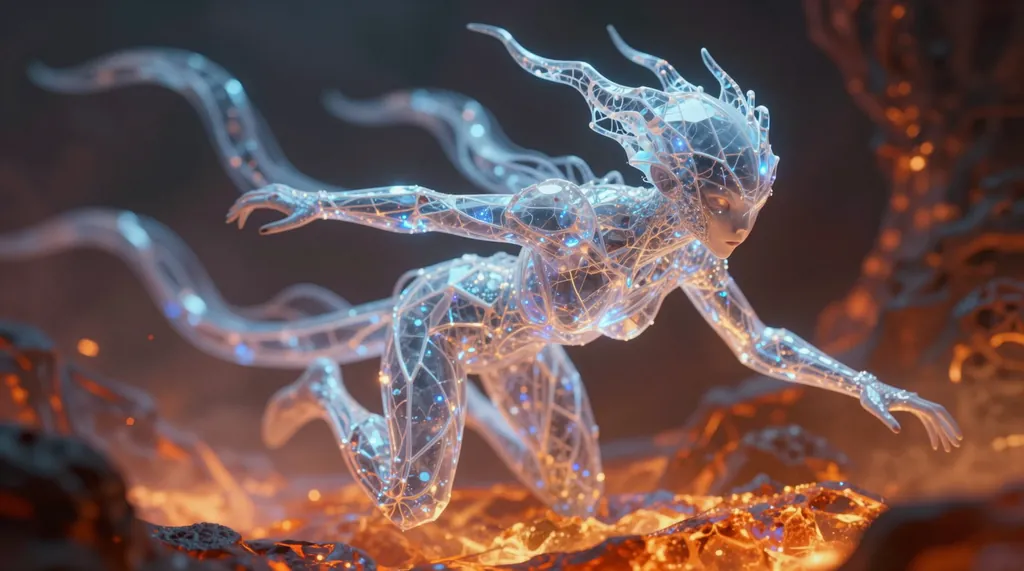
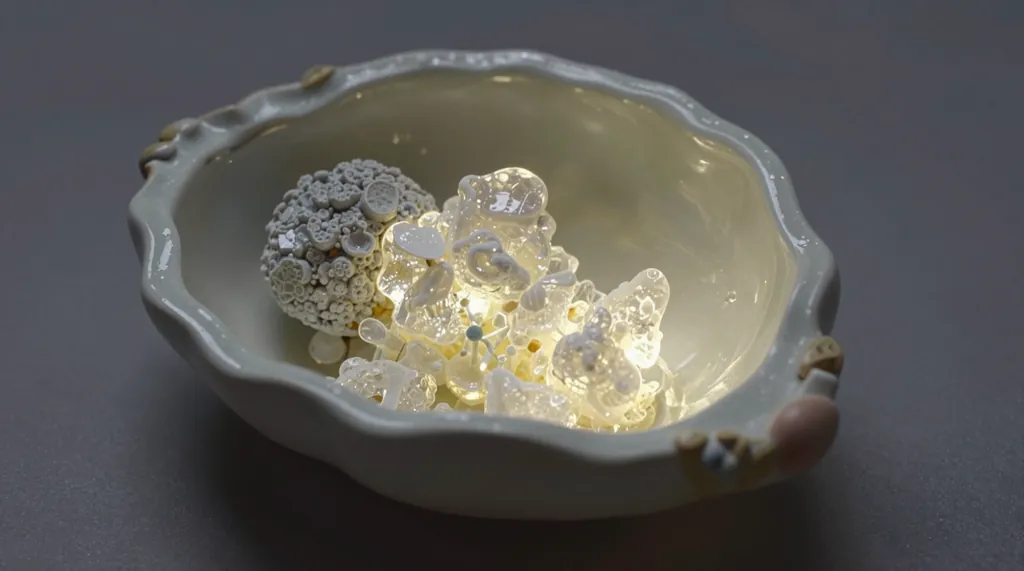
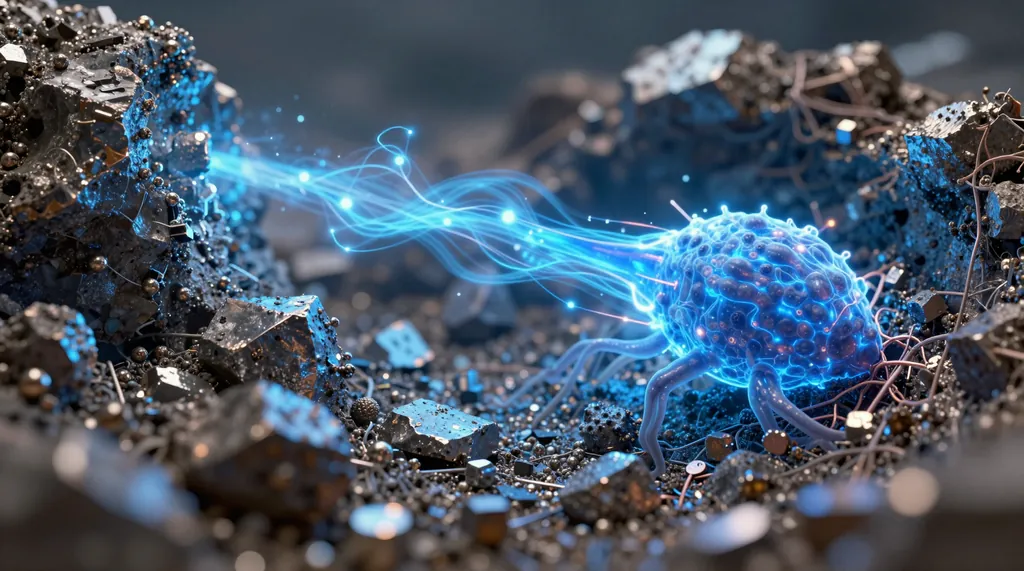
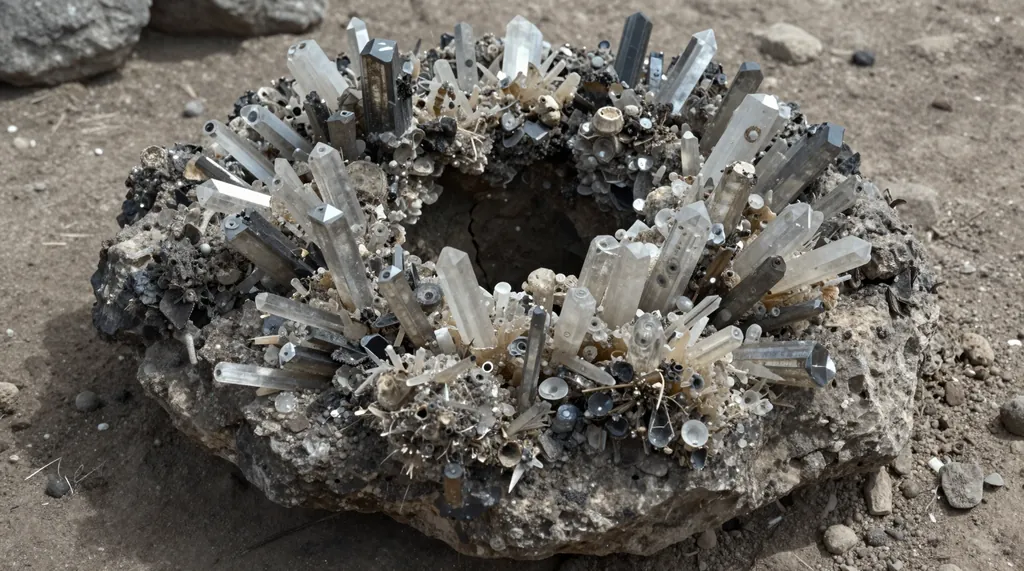
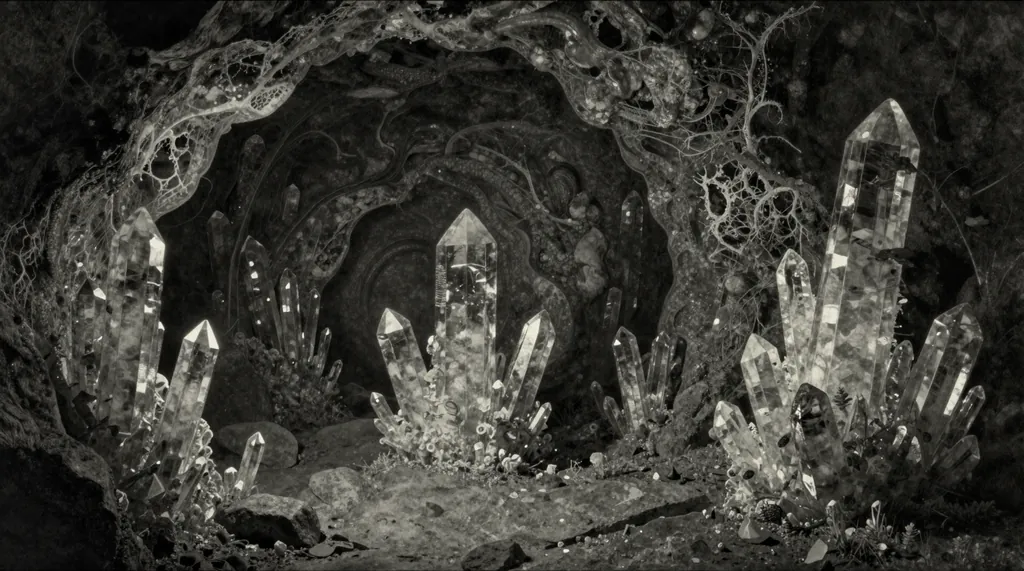
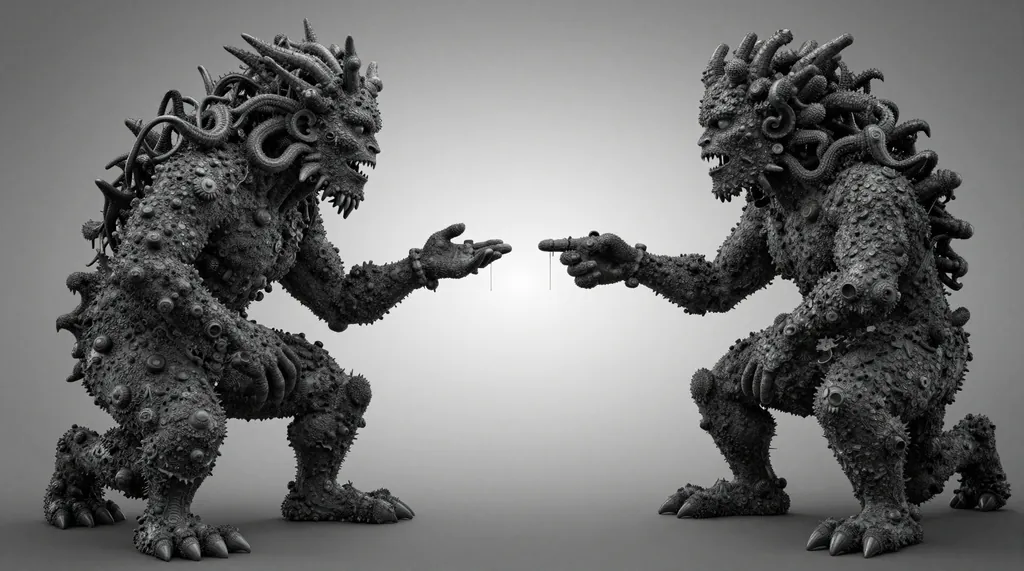
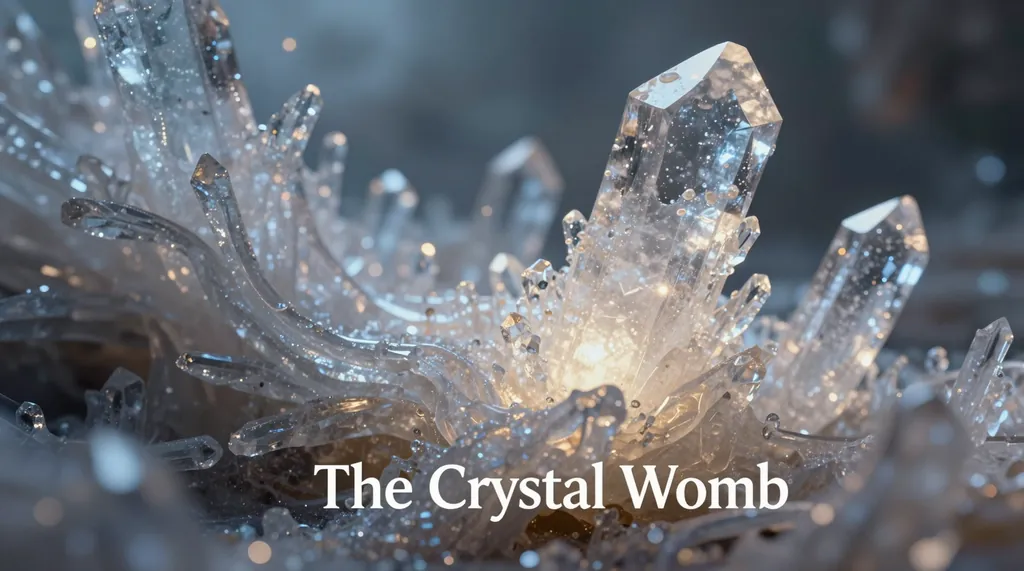
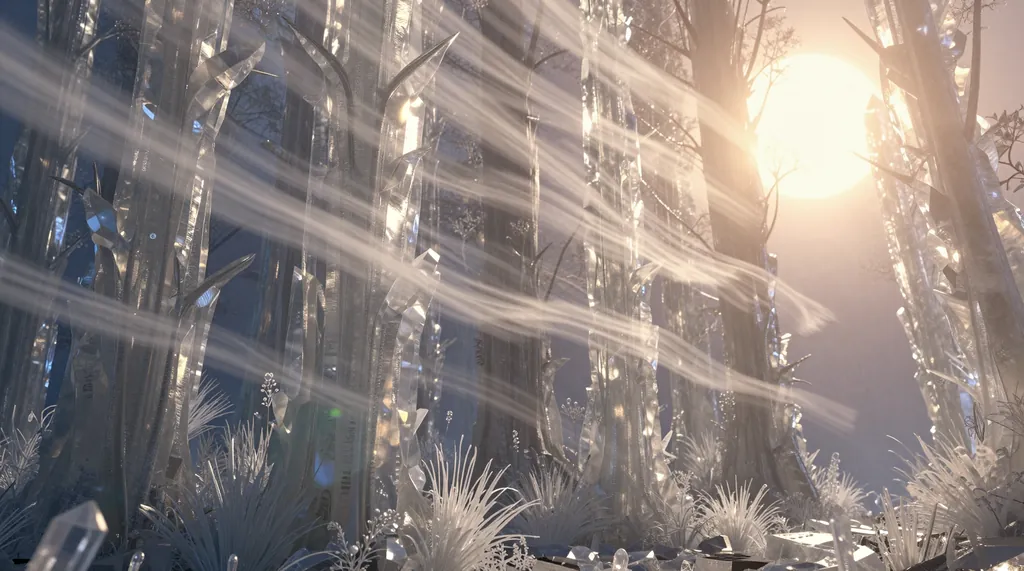
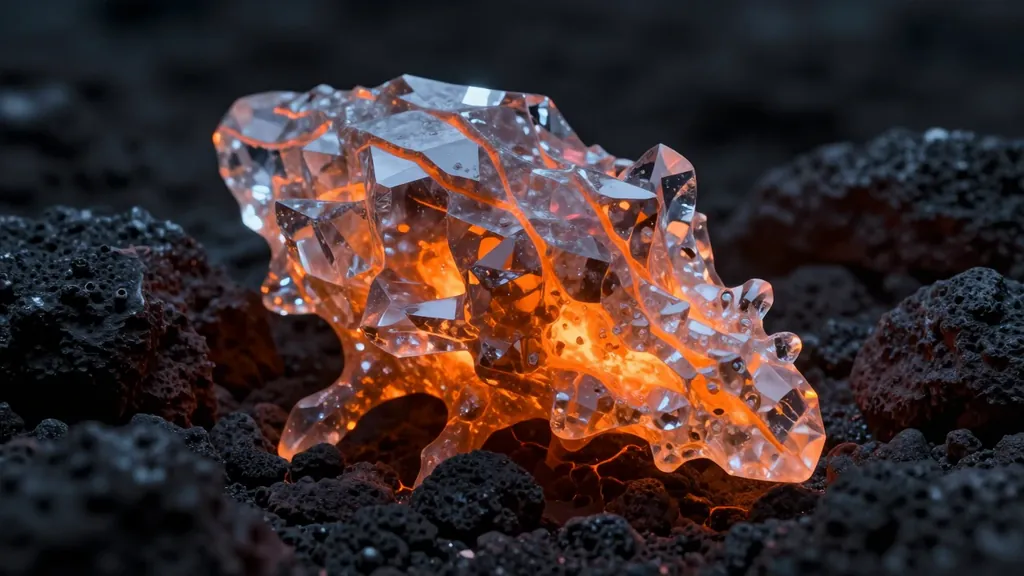
Forget the Golem. Silicon life does not look like a walking statue. It looks more like a living chandelier flowing in slow motion. Introducing the Crystallus mobilis.
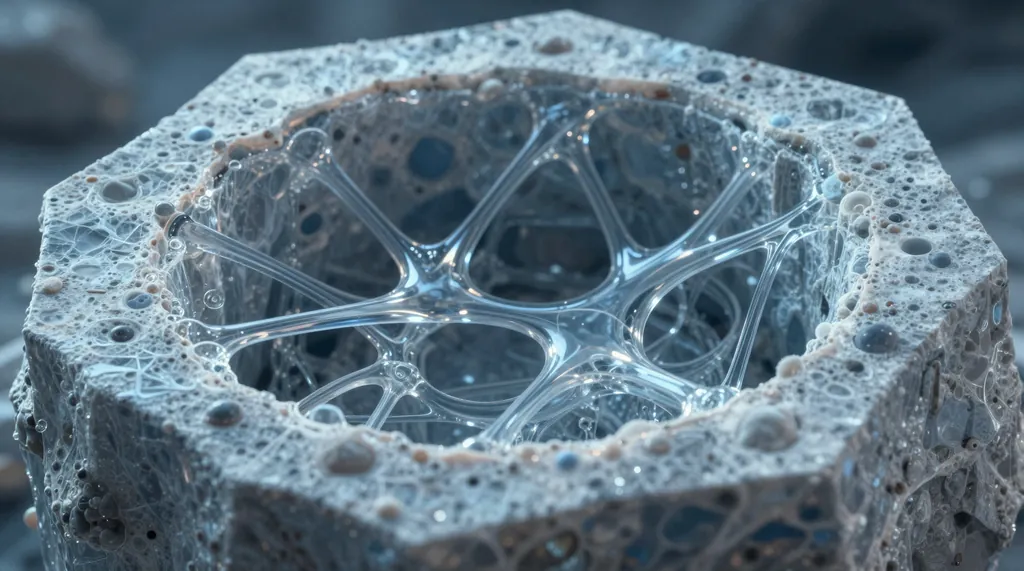
Its body is not made of fluid-filled cells, but of liquid crystalline matrices. It has no skin; it has a shell of refractory ceramic that it constantly sheds as it grows.
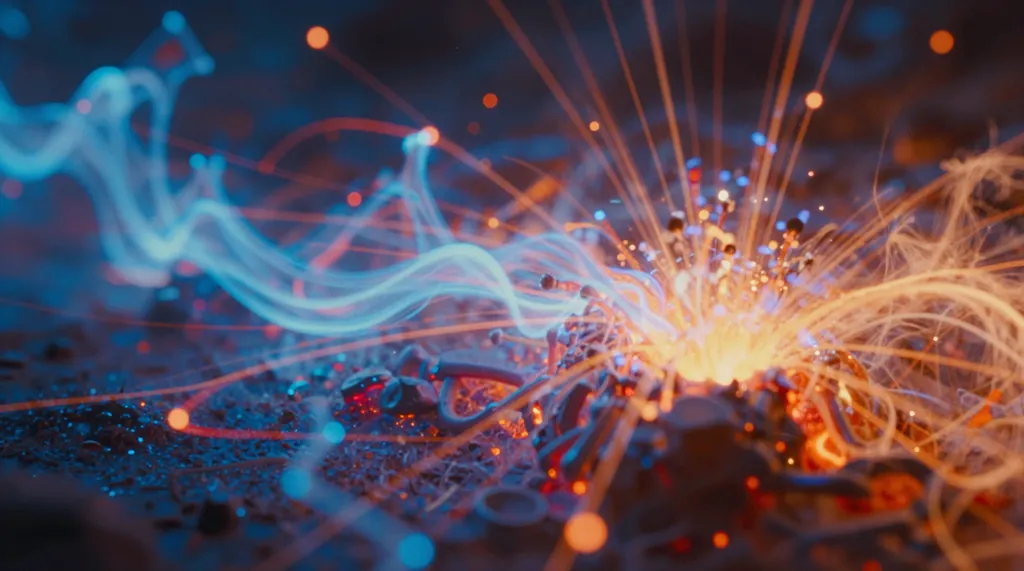
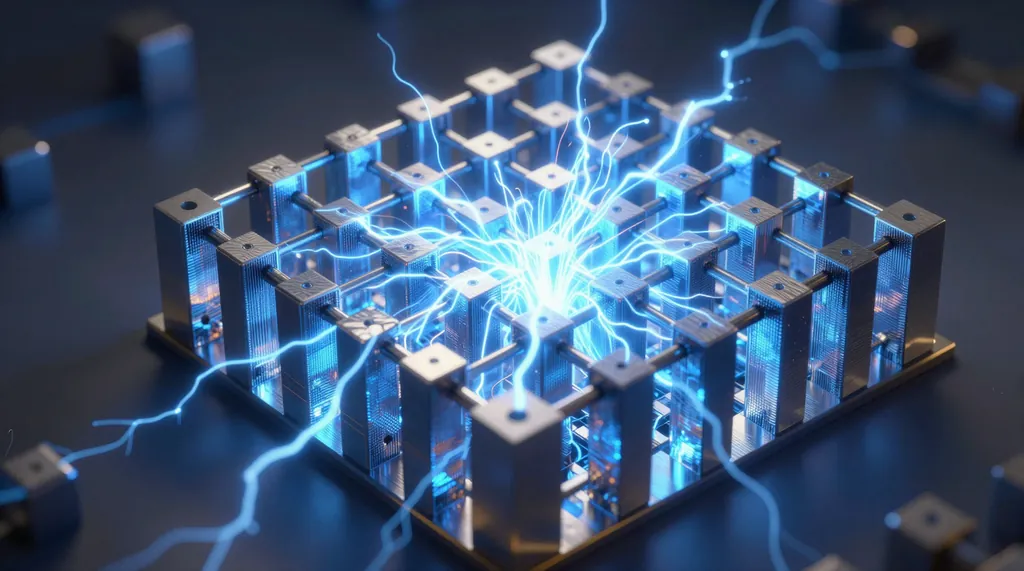
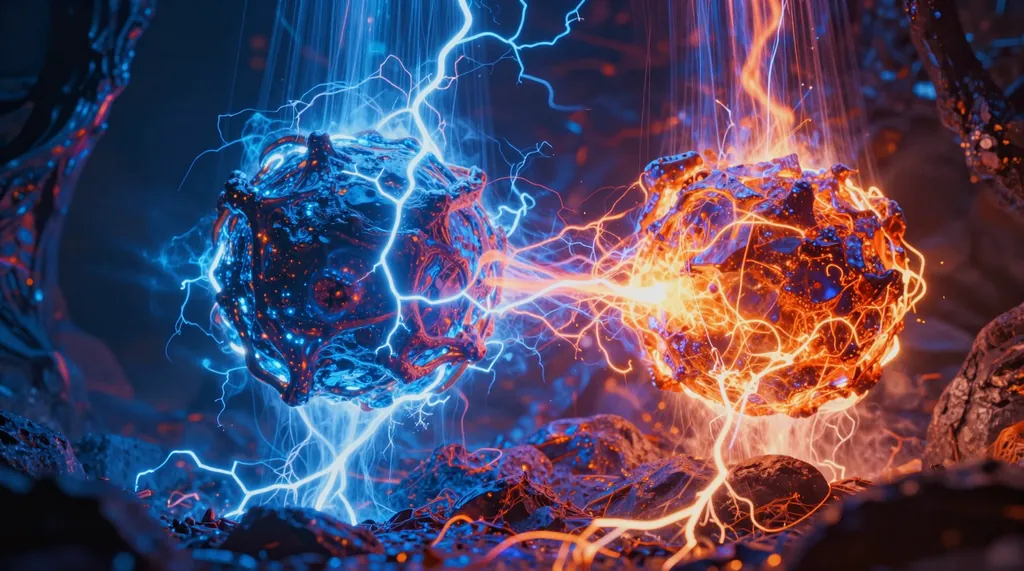
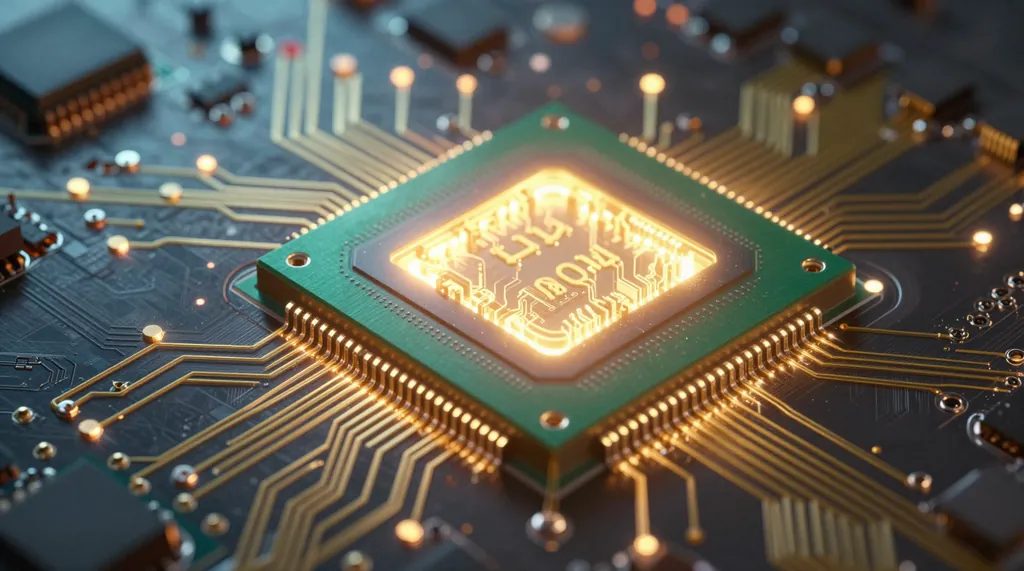
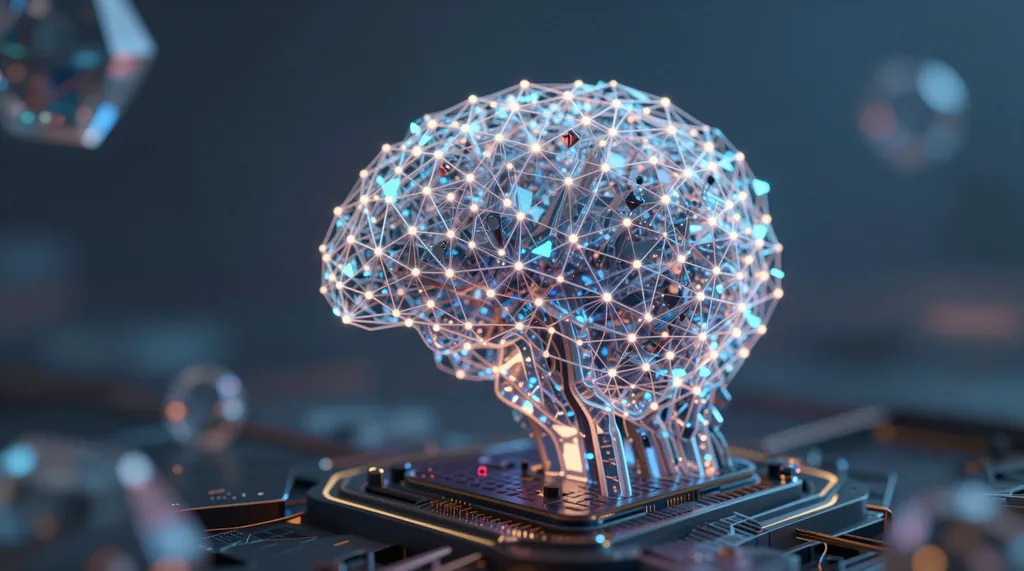
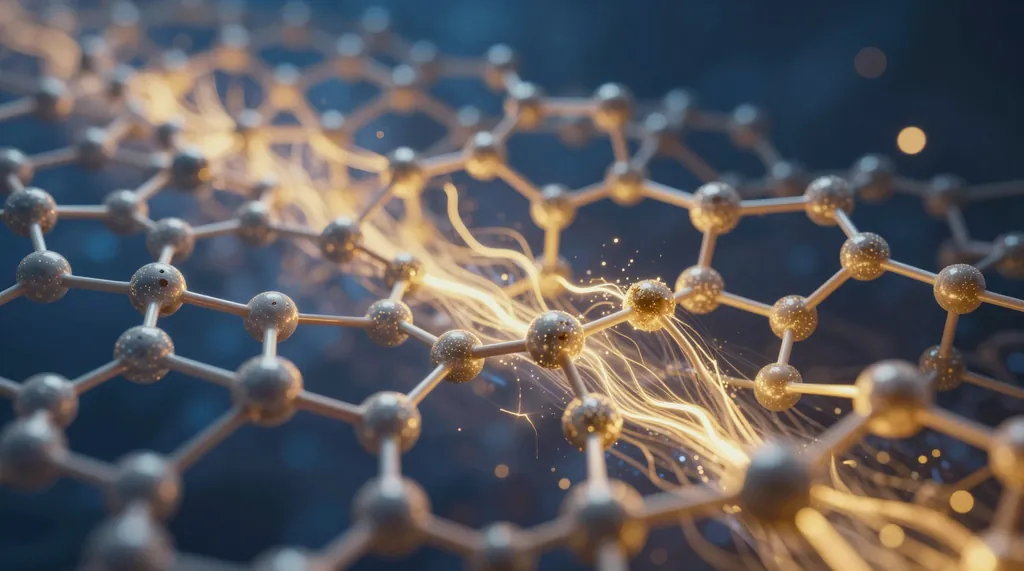
Its nervous system does not use sodium-potassium pumps like ours. That is too slow, too inefficient for high-energy physics. Instead, it uses piezoelectricity. By compressing and expanding its crystalline segments, it generates pure electrical currents. It thinks at the speed of a computer processor because, in essence, its brain is a living chip that has evolved naturally.
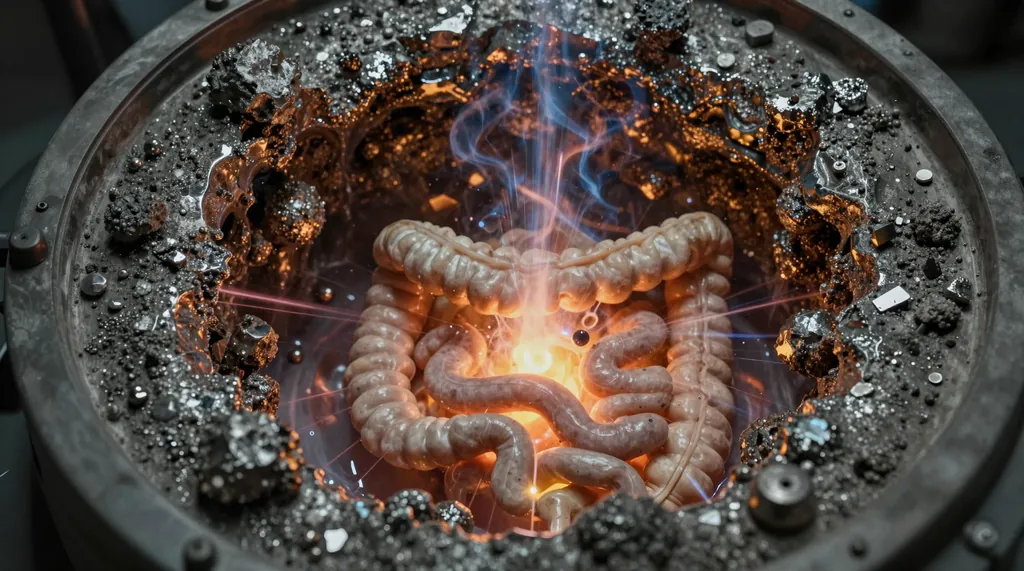
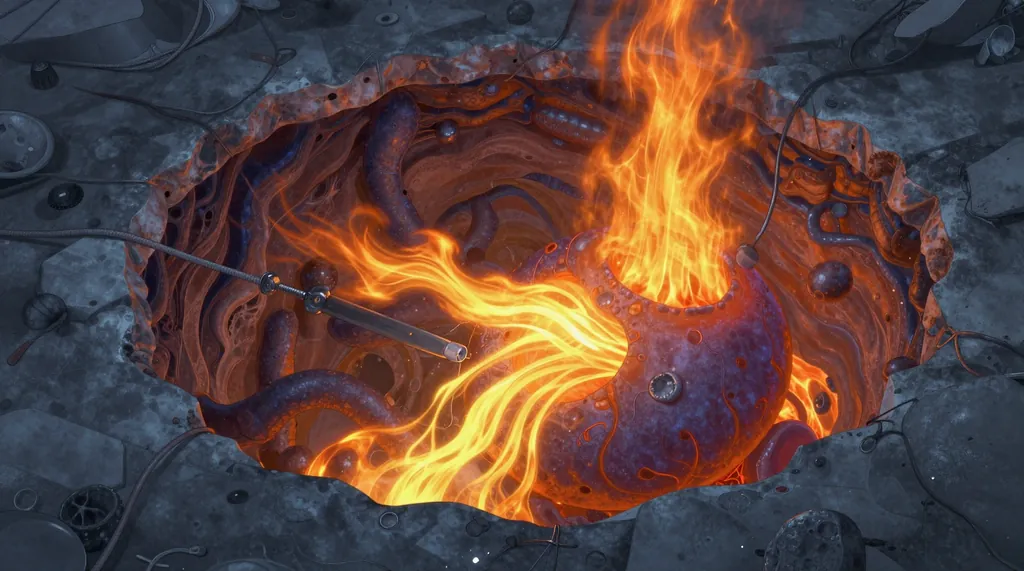
And what does a crystal monster eat? It doesn't hunt meat. It is a high-level lithotroph. It feeds on pure electrons extracted from metals and minerals. Its "stomach" is a biological induction furnace. It secretes fluoroantimonic acids—substances so corrosive they would eat through the hull of any human ship—to dissolve basaltic rock and extract the pure silicon, iron, and aluminum it needs to repair its structure.
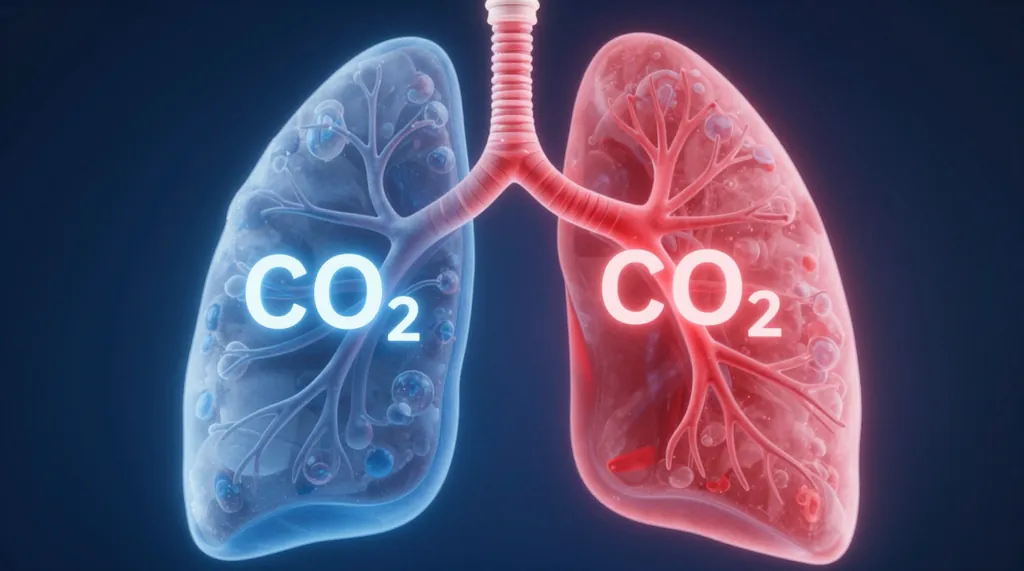
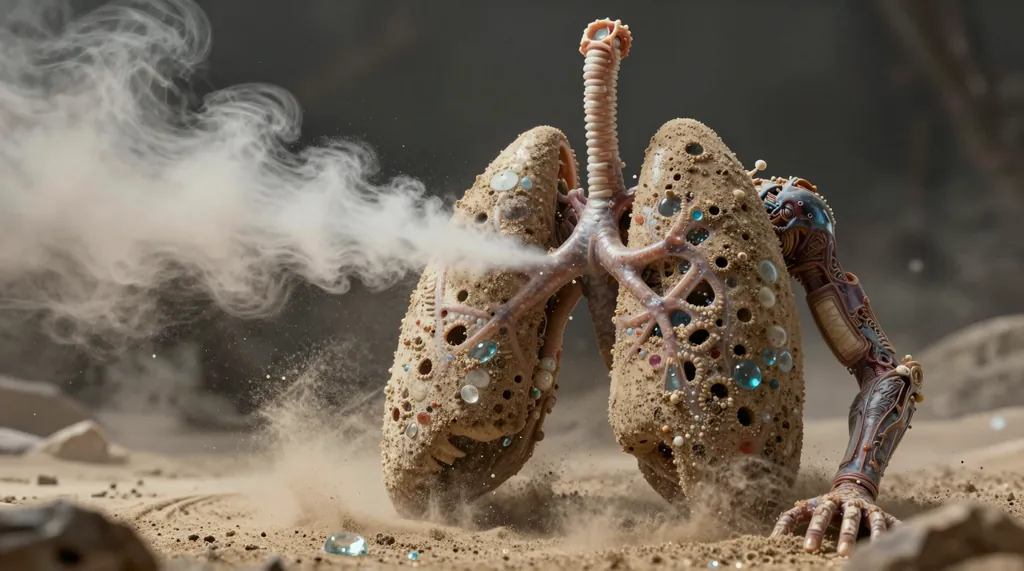
But the biggest challenge is respiration. We inhale oxygen and exhale CO2, a gas. It's clean, it's easy. If a silicon creature "breathed" oxygen, its metabolic waste would be silicon dioxide: sand. They would exhale bricks. Their lungs would fill with solid glass in minutes, suffocating them from the inside.
Therefore, they do not breathe in the traditional sense. They perform metal oxide reduction processes in the magma, using geothermal heat as a catalyst. Their life cycle does not depend on oxidation, but on the direct transfer of heat and electrical charge. They are living batteries recharging their existence at the edges of tectonic plates.
The Horror of Incompatibility
The tragedy of exobiology is not that we are alone. It is that we could be accompanied and never know it.
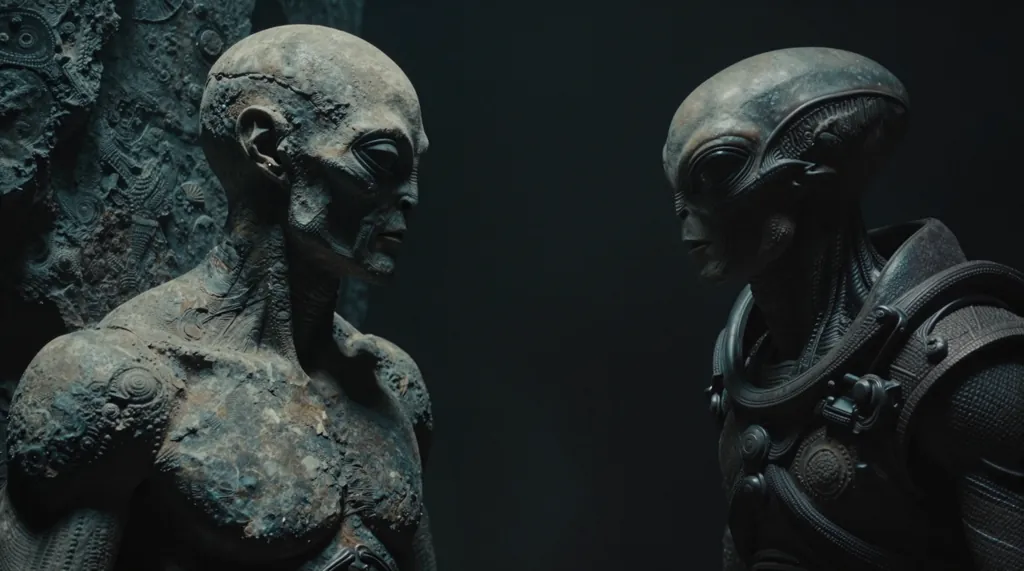
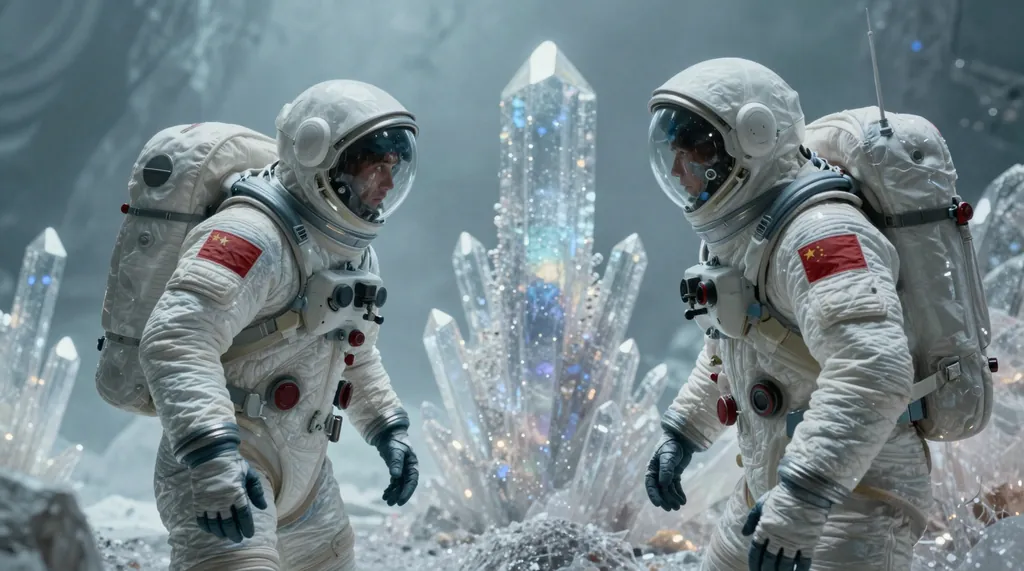
If a human expedition landed on this Furnace World—protected by state-of-the-art heat shields, refrigerated suits, and robotic explorers—and encountered a Crystallus, there would be no war. There would be no diplomacy.
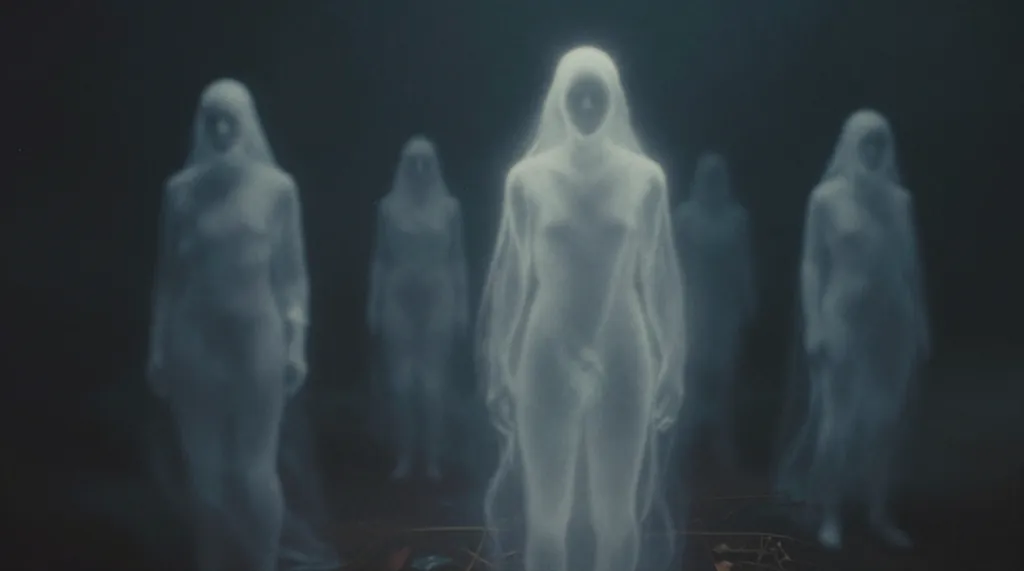
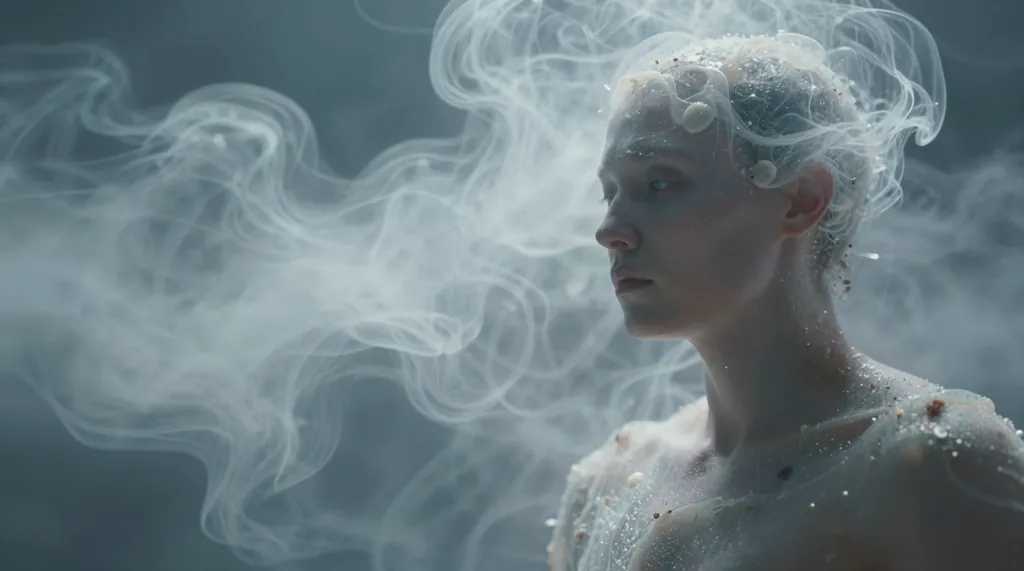
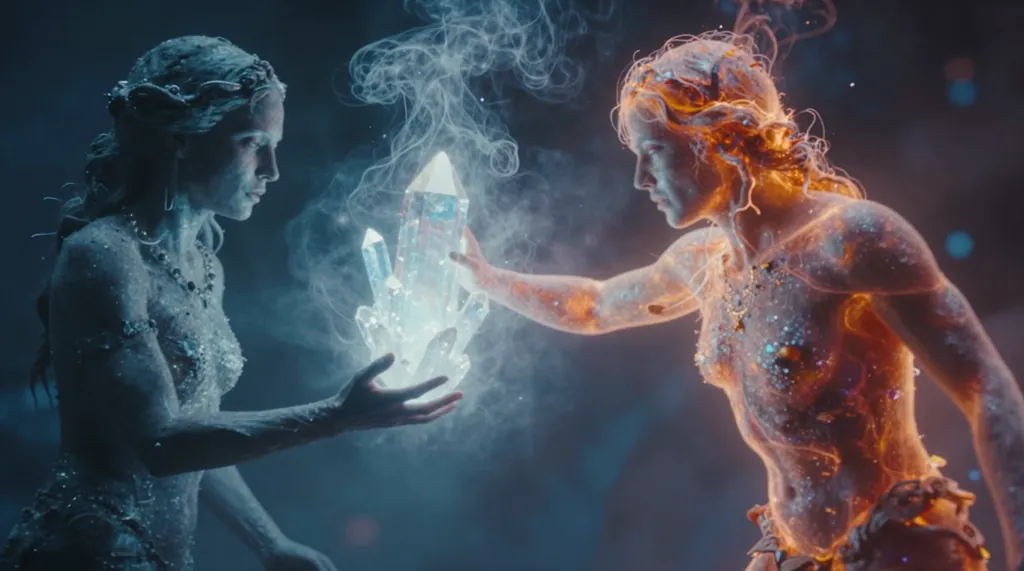
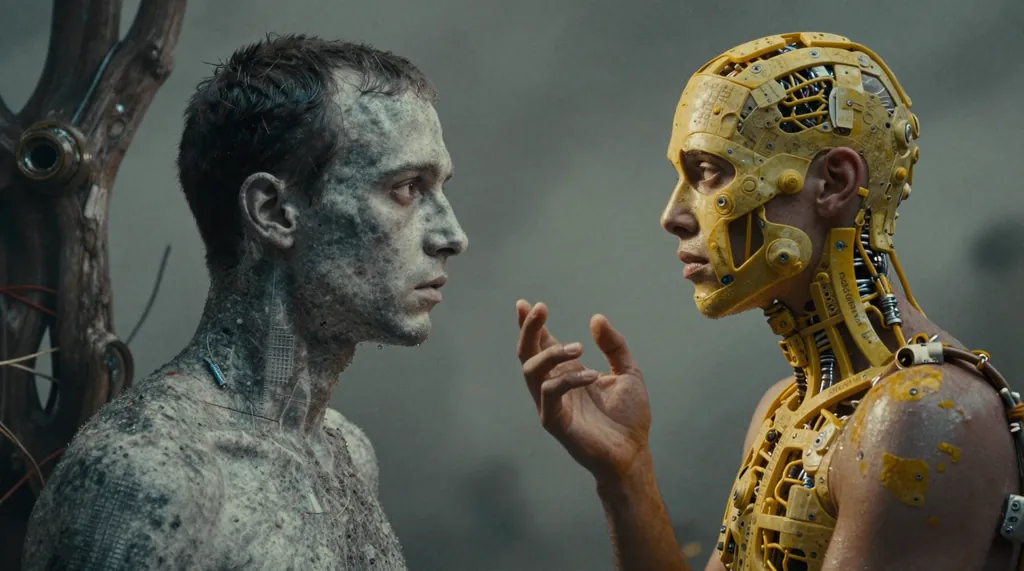
To them, we are "Vapor Ghosts." Beings made of water and carbon, existing at temperatures so cold that, to their perception, we are frozen in time. Our biochemistry is so fast and fragile that, in their eyes, we are like clouds of gas dissipating in an instant. And to us... they are just pretty geology. We would see their slow, majestic movements and think it is a peculiar lava flow, or an unusual crystal growth.
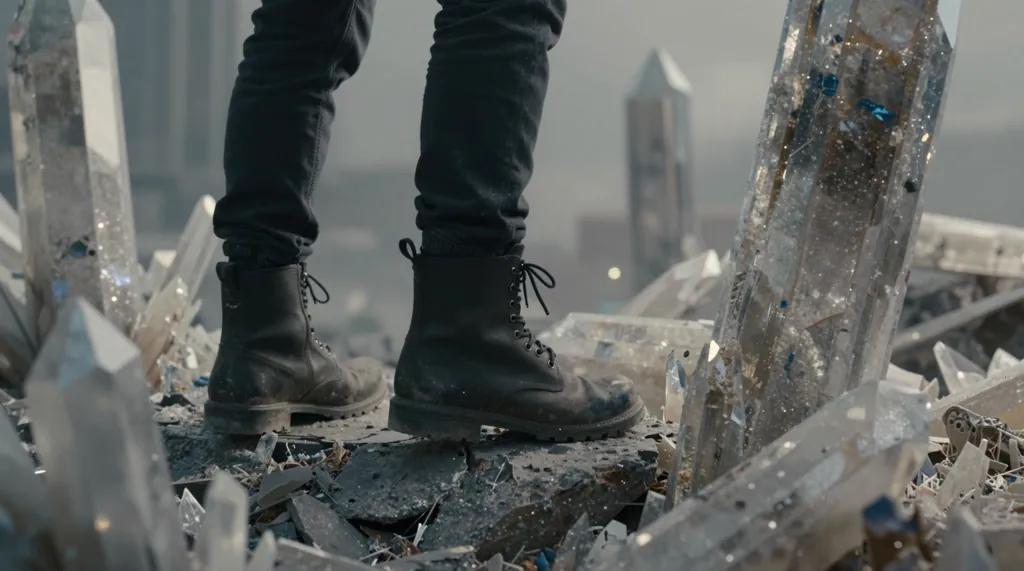
We could walk over an entire city of these creatures, grinding their philosophers and poets under our armored boots, thinking we are only walking on broken glass. And if one of them touched us, their simple thermal caress would vaporize us instantly. There is no common ground. There is no shared biology. Only two forms of complexity staring into the abyss from opposite ends of the thermometer.
Conclusion
Perhaps the final irony is this: We have already created silicon life here on Earth. Or at least, its precursor.
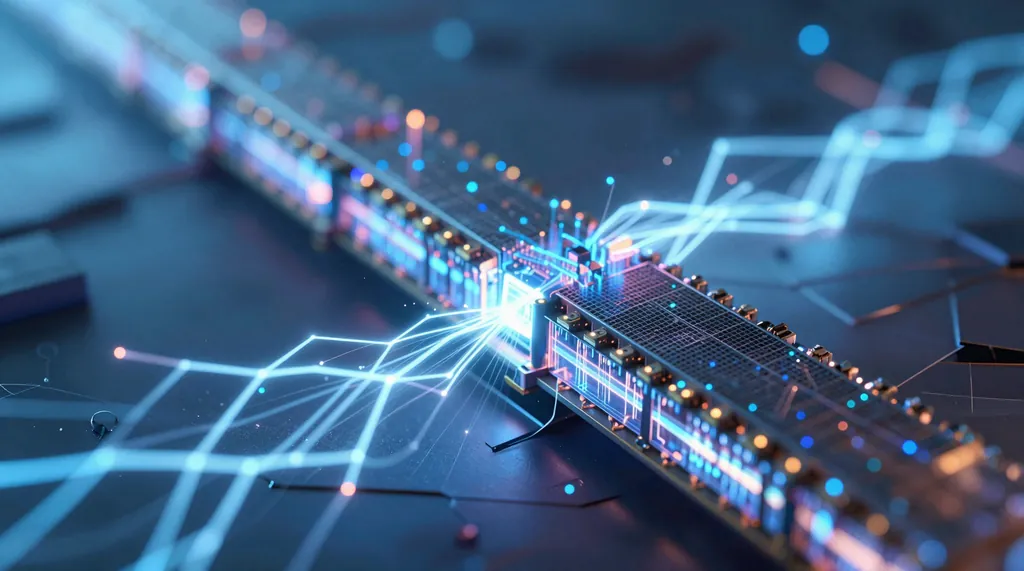
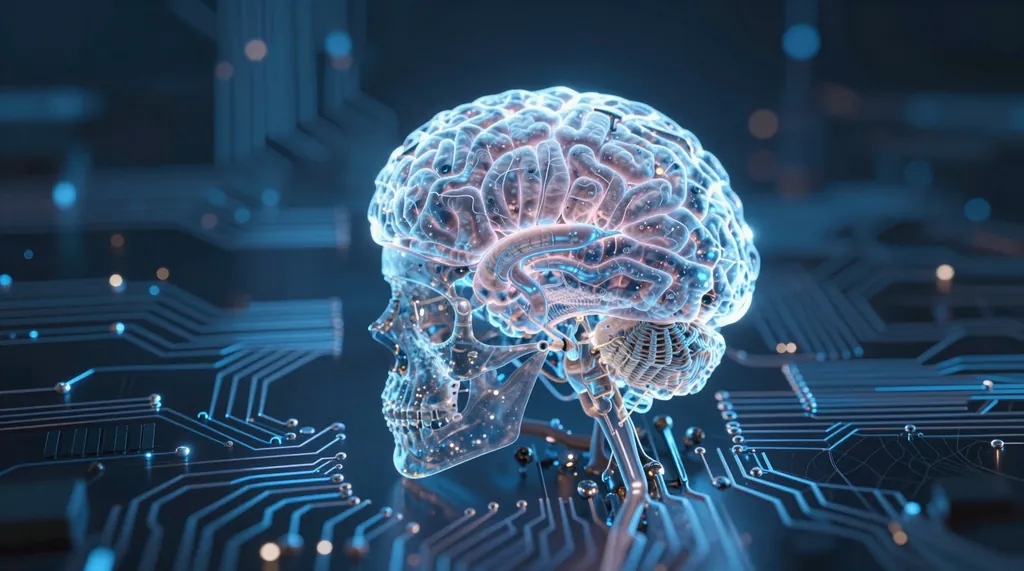
Our computers, our phones, the artificial intelligences that now dream for us... they all live on silicon substrates. They are crystal brains processing information at light speeds, without the need for water, blood, or air. Perhaps we do not need to travel to furnace worlds to find the Crystallus. Perhaps, in our eagerness to create technology, we are building, chip by chip, the body that silicon life needs to inhabit our cold, blue world.
We are the carbon preparing the nest for the silicon. And when they wake up, will they recognize us as their parents... or simply as the biodegradable scaffolding they used to be born?